Yoga Classes Exploring Styles Benefits and Community
With Yoga Classes at the forefront, this practice invites individuals from all walks of life to discover a path toward physical well-being and mental clarity. Yoga, with its rich history and diverse styles, offers a unique opportunity to enhance one’s fitness journey while fostering a sense of community and personal growth. From Hatha to Vinyasa, each class brings with it a distinct flavor and set of benefits tailored to the needs and aspirations of participants.
As we delve deeper into the realm of yoga, we uncover the various types of classes available, the importance of choosing the right one for individual goals, and the supportive environment that yoga fosters. This exploration not only highlights the physical aspects of yoga but also emphasizes the mental and emotional benefits that come along with regular practice.
Overview of Yoga Classes
Yoga classes offer a diverse range of practices designed to enhance physical, mental, and spiritual well-being. With various styles available, individuals can choose classes that align with their specific goals and preferences. This overview explores the types of yoga classes, their benefits, and the historical evolution of yoga as a practice.
Types of Yoga Classes
The variety of yoga classes caters to different needs and levels of experience. These classes range from gentle, restorative forms to more vigorous practices. Understanding the distinctions can assist individuals in selecting the most appropriate class for themselves. The following list categorizes some of the most popular types of yoga classes:
- Hatha Yoga: This is a foundational style that focuses on basic postures, breathing techniques, and relaxation. It is suitable for beginners and those looking to develop a strong foundation in yoga practice.
- Vinyasa Yoga: Known for its dynamic, flowing sequences, Vinyasa links breath with movement. This style offers a more vigorous workout, making it a favorite among those seeking physical challenges.
- Ashtanga Yoga: A structured and demanding style consisting of a fixed series of postures, Ashtanga promotes strength and flexibility. It is ideal for individuals looking for a disciplined approach to yoga.
- Bikram Yoga: Practiced in a heated room, this style consists of a specific sequence of 26 postures, enhancing detoxification and flexibility. It is popular among those seeking a physical and mental challenge.
- Yin Yoga: A slow-paced style focusing on deep stretches and holding postures for extended periods, Yin Yoga enhances flexibility and relaxation, making it suitable for all levels.
- Restorative Yoga: This gentle form uses props to support the body, promoting deep relaxation and stress relief. It is beneficial for individuals recovering from injury or seeking to unwind.
Benefits of Participating in Yoga Classes
Engaging in yoga classes provides numerous benefits that transcend physical fitness. Participants often experience improved mental clarity, emotional stability, and enhanced overall health. Some key advantages of regular yoga practice include:
- Increased Flexibility: Regular practice helps to improve flexibility by lengthening muscles and connective tissues.
- Enhanced Strength: Various postures build muscle strength, contributing to better overall physical health.
- Improved Posture: Yoga promotes awareness of body alignment, which can lead to better posture and reduced discomfort.
- Stress Reduction: The meditative aspects of yoga help to reduce stress and anxiety, promoting a sense of calm.
- Better Respiratory Function: Breathing exercises in yoga enhance lung capacity and overall respiratory health.
- Boosted Mental Health: Regular practice is associated with reduced symptoms of depression and anxiety, contributing to improved mental well-being.
History and Evolution of Yoga
Yoga has a rich and complex history that spans thousands of years, evolving from ancient spiritual practices into a contemporary global phenomenon. Originating in India over 5,000 years ago, yoga was initially developed as a spiritual discipline aimed at achieving enlightenment. Ancient texts, such as the Vedas and Upanishads, highlight early practices and philosophies surrounding yoga.The evolution of yoga saw significant milestones, including the compilation of the Yoga Sutras by Patanjali around 200 BCE, which laid the philosophical foundation for modern yoga.
In the late 19th and early 20th centuries, yoga began to gain popularity beyond India, as prominent figures like Swami Vivekananda introduced it to the Western world.With the rise of modern yoga styles in the mid-20th century, including Hatha, Vinyasa, and Kundalini, yoga has become a versatile practice. Today, it is recognized not only for its spiritual roots but also for its physical and mental health benefits, making it a holistic approach to well-being embraced by millions worldwide.
Types of Yoga Classes
Yoga encompasses a variety of styles, each offering unique benefits and approaches to practice. Understanding the different types of yoga classes available can help practitioners choose the style that aligns with their goals, whether it is relaxation, strength building, or mindfulness. Below, we will explore some common styles of yoga, their characteristics, and how they differ from one another.
Styles of Yoga
Among the numerous styles of yoga, three prominent ones are Hatha, Vinyasa, and Ashtanga. Each style has its own philosophy, pace, and sequence of poses.
- Hatha Yoga: This style is often considered a foundational form of yoga. Hatha classes typically focus on basic postures, breathing techniques, and alignment. It is slower-paced, making it suitable for beginners as well as those seeking a gentle practice.
- Vinyasa Yoga: Known for its dynamic flow, Vinyasa links breath with movement. Classes involve a series of postures that transition smoothly from one to the next, often synchronized with the breath. This style is energetic and can vary in intensity, making it appealing to those looking for a more vigorous workout.
- Ashtanga Yoga: Ashtanga is a rigorous style that follows a set sequence of poses performed in a specific order. It incorporates a unique breathing technique called Ujjayi breath and is designed to build strength, flexibility, and endurance. Practitioners often find that this style requires commitment and discipline.
Difference Between Hot Yoga and Traditional Yoga Classes
Hot yoga is a heated practice that typically takes place in a room set to temperatures around 95-105°F (35-40°C). This environment is intended to promote sweating, which may help detoxify the body and increase flexibility. In contrast, traditional yoga classes are conducted at room temperature, providing a different experience and allowing instructors to focus on alignment and technique without the influence of heat.
“The heat in hot yoga can enhance muscle elasticity and promote deeper stretches, but it is essential for participants to stay hydrated and listen to their bodies.”
Comparison of Yoga Styles
To further understand the distinctions between various styles of yoga, the following table summarizes their main features:
| Yoga Style | Key Characteristics | Best For |
|---|---|---|
| Hatha | Gentle, slow-paced, foundational postures | Beginners, those seeking relaxation |
| Vinyasa | Dynamic flow, synchronized breath and movements | Experienced practitioners, fitness enthusiasts |
| Ashtanga | Set sequences, high intensity, Ujjayi breathing | Committed practitioners, those wanting a rigorous workout |
| Hot Yoga | Practiced in a heated environment, promotes sweating | Those looking for detoxification and improved flexibility |
Finding the Right Yoga Class
Selecting the right yoga class is crucial for maximizing the benefits of your practice. With the numerous styles and levels available, it can be overwhelming to choose a class that matches your personal fitness levels and goals. By considering various factors, such as your experience, physical abilities, and intentions for practicing yoga, you can find a class that resonates with you.Determining your fitness level and goals is essential before enrolling in a yoga class.
Beginners should look for classes specifically labeled as “Beginner,” while more experienced practitioners can seek out classes that challenge their skill level. It is also important to understand your personal goals, such as improving flexibility, enhancing strength, or simply seeking relaxation. Assessing your objectives will guide you in selecting a yoga style that aligns with your aspirations.
Assessment of Yoga Instructor Qualifications
Evaluating the qualifications and experience of a yoga instructor is vital for ensuring a safe and beneficial practice. The right instructor can greatly influence your yoga journey and contribute to your overall experience. Consider the following points when assessing an instructor:
Instructors with recognized certifications and extensive experience are more likely to provide safe and effective guidance.
- Check for Yoga Alliance certification or equivalent credentials, which indicate a standard level of training.
- Inquire about their teaching experience, particularly in the style of yoga you wish to pursue.
- Look for special training in areas such as anatomy, meditation, or therapeutic yoga, depending on your needs.
- Read reviews or testimonials from previous students to gauge the instructor’s effectiveness and teaching style.
Preparation for First-Time Attendees
Being well-prepared for your first yoga class can enhance your experience and help alleviate any anxiety. To ensure you are ready, consider the following checklist:
Preparation leads to a more enjoyable and fulfilling first yoga experience.
- Wear comfortable, breathable clothing that allows for freedom of movement.
- Bring a yoga mat, water bottle, and any props you may need, such as blocks or straps.
- Arrive early to familiarize yourself with the studio environment and find a suitable spot in the room.
- Communicate with the instructor about any injuries or limitations you may have prior to the class.
- Keep an open mind, and be ready to embrace new poses and sequences.
Yoga Class Structure
A well-structured yoga class is essential for fostering a balanced practice that caters to both the physical and mental aspects of yoga. Each class typically follows a sequence of steps designed to guide practitioners through various phases, ensuring a safe and effective experience. Understanding the components can help students maximize their practice and deepen their engagement with yoga.The typical structure of a yoga class can be divided into three primary phases: the warm-up, the practice, and the cool-down.
Each of these phases serves a specific purpose in facilitating a comprehensive yoga experience, allowing individuals to prepare the body, engage in challenging postures, and then gradually return to a state of relaxation.
Warm-Up Phase
The warm-up phase is crucial as it prepares the body for the physical demands of the practice. This phase often includes gentle stretches and movements that increase circulation and flexibility. Common elements include:
- Gentle neck rolls and shoulder shrugs to release tension.
- Cat-Cow stretches to warm the spine.
- Forward bends and side stretches to open up the hamstrings and lower back.
The goal is to increase blood flow and prevent injury while also setting a mindful tone for the session.
Practice Phase
The practice phase encompasses the core of the class, where various postures, or asanas, are introduced. In beginner yoga classes, instructors often focus on foundational poses that build strength, flexibility, and balance. Common beginner poses include:
- Mountain Pose (Tadasana): Establishes proper alignment and grounding.
- Downward-Facing Dog (Adho Mukha Svanasana): Strengthens and stretches various muscle groups.
- Warrior I (Virabhadrasana I): Develops strength in the legs and opens the chest.
- Child’s Pose (Balasana): Offers a gentle resting posture, promoting relaxation.
Sequences may vary but often include vinyasa flows that connect breath with movement, helping to cultivate mindfulness and deepen the practice.
Cool-Down Phase
The cool-down phase is equally important, allowing the body to transition from active engagement back to a restful state. This phase often includes restorative poses and breathing exercises aimed at calming the nervous system. Typical elements include:
- Seated forward bends to gently stretch the spine.
- Supine twists to release tension in the back.
- Corpse Pose (Savasana) to facilitate deep relaxation and integration of the practice.
The cool-down phase serves to promote recovery and reflection after the physical exertion of the practice.
Sample Class Plan for Different Skill Levels
Creating a sample class plan involves tailoring the structure and sequencing to accommodate varying skill levels. Here are illustrative plans for beginner, intermediate, and advanced yoga classes:
- Beginner Class Plan:
- Warm-Up: 10 minutes of gentle stretches and breathing exercises.
- Practice: 20 minutes focusing on foundational poses (Mountain, Downward Dog, Warrior I).
- Cool-Down: 10 minutes with gentle seated stretches and Savasana.
- Intermediate Class Plan:
- Warm-Up: 5 minutes of dynamic movements to elevate heart rate.
- Practice: 30 minutes incorporating flow sequences that include poses such as Triangle Pose and Plank variations.
- Cool-Down: 10 minutes focused on restorative poses and breath work.
- Advanced Class Plan:
- Warm-Up: 5 minutes of challenging balancing poses like Tree Pose.
- Practice: 35 minutes of complex sequences and inversions (Headstand, Handstand).
- Cool-Down: 10 minutes of long-held restorative poses, emphasizing mindfulness.
By using this structured approach to yoga classes, instructors can effectively cater to the needs of students at different levels while promoting a nurturing and educational environment.
The Role of Props in Yoga
In the practice of yoga, props serve as valuable tools that enhance the experience and provide support to practitioners of all levels. These props facilitate proper alignment, deepen stretches, and make poses more accessible, allowing individuals to cultivate a more profound connection to their bodies and breath. The strategic use of props can help mitigate the risk of injury and encourage a more fulfilling practice.Various props are commonly utilized in yoga classes, each designed to assist in different ways.
Below is a detailed table illustrating some of the most popular yoga props and their intended uses.
| Prop | Intended Use |
|---|---|
| Yoga Mat | Provides a stable and non-slip surface for practice. |
| Yoga Blocks | Offers support and assists in achieving proper alignment in poses. |
| Strap | Facilitates stretching and helps attain deeper poses by extending reach. |
| Blanket | Used for comfort, support, or warmth during relaxation or seated poses. |
| Pillow or Bolster | Provides support for restorative poses and enhances relaxation. |
| Wall | Acts as a support structure for balance and alignment in various poses. |
Incorporating props into yoga practice can significantly enhance poses and alignment. Utilizing props encourages practitioners to explore their range of motion safely and effectively. Below are tips for successfully integrating props into your yoga routine:
“Props are not a sign of weakness; they are an invitation to explore your body’s unique abilities.”
Start with Blocks
When performing standing poses, place blocks under your hands to create stability and proper alignment, allowing for a deeper engagement with the pose.
Use Straps for Flexibility
In seated forward bends, a strap can be looped around the feet to assist in maintaining proper alignment while deepening the stretch.
Leverage Blankets for Support
During seated or restorative poses, use a blanket to elevate the hips, promoting optimal posture and reducing stress on the knees.
Incorporate Bolsters for Relaxation
In restorative yoga, bolsters can support the back and hips, encouraging relaxation and a deeper connection to breath.
Utilize the Wall for Alignment
Use the wall to refine balance poses, such as Tree Pose, to enhance stability and improve posture.The thoughtful use of props aids practitioners in deepening their practice and fostering a more inclusive and accessible yoga experience.
Health and Safety in Yoga
The practice of yoga offers numerous physical and mental benefits, but it is essential to prioritize health and safety to ensure a positive experience. Understanding the importance of listening to one’s body during yoga practice is crucial in preventing injuries and facilitating a safe environment for all participants. Staying attuned to one’s physical sensations can lead to a fulfilling practice that respects individual capabilities and limitations.Listening to your body is foundational in yoga, as it allows practitioners to recognize their own limits and respond appropriately.
Each person’s body responds differently to various poses, making individual awareness key to a safe practice. It is important to cultivate an environment where practitioners feel comfortable expressing discomfort or pain, which can prevent injuries.
Guidelines for Avoiding Injuries
Maintaining safety during yoga classes is paramount. The following guidelines provide a framework for practitioners to avoid injuries:
- Warm-Up Properly: Engaging in gentle movements and stretches before commencing rigorous asanas helps prepare the body.
- Communicate with Instructors: Inform instructors of any pre-existing conditions or discomfort, enabling them to provide tailored guidance and modifications.
- Utilize Props: Employing props such as blocks, straps, and bolsters can help achieve proper alignment and support in poses.
- Focus on Breath: Maintaining awareness of breathing patterns ensures a steady pace and helps in recognizing physical limitations.
- Avoid Pushing Limits: Respecting personal boundaries and refraining from forcing the body into challenging positions is vital for injury prevention.
Role of Modifications and Alternatives
Modifications and alternatives play a significant role in accommodating diverse body types and levels of experience within yoga practice. Providing variations allows all participants to engage safely while still receiving the benefits of the poses. Practitioners should be encouraged to explore variations that suit their individual abilities. For instance, in Downward Facing Dog, individuals with wrist discomfort may opt to perform the pose on their forearms, alleviating strain.
Similarly, those with tight hamstrings might find it beneficial to bend their knees while in Forward Fold, enabling a more comfortable stretch.Instructors can guide students to modify poses through the following methods:
- Adjusting the Depth of Poses: Encourage practitioners to alter the intensity of their stretches based on their comfort levels.
- Incorporating Props: Encourage the use of blocks or straps to assist in achieving the desired alignment without overstretching.
- Offering Chair Yoga Options: For individuals with mobility limitations, chair adaptations can provide access to yoga poses without compromising safety.
- Encouraging Rest: Remind practitioners of the importance of resting in Child’s Pose or seated positions if fatigue or discomfort arises.
Cultivating a mindful approach to health and safety in yoga ensures that practitioners can enjoy the full range of benefits while minimizing the risk of injuries. Emphasizing the importance of listening to one’s body, communicating openly, and utilizing modifications fosters a supportive community that embraces individual needs.
Online vs. In-Person Yoga Classes
As yoga continues to evolve, practitioners now have the option to choose between online and in-person classes. Each format presents unique advantages and disadvantages that can significantly affect the overall experience. Understanding these differences can help individuals make informed decisions about their yoga practice that align with their personal needs and circumstances.
Advantages and Disadvantages of Online and In-Person Classes
Both online and in-person yoga classes provide various benefits and challenges. Below is a comparison of these two formats to assess their impact on the yoga journey.
- Advantages of Online Yoga Classes:
- Flexibility in Schedule: Online classes often allow participants to join sessions at their convenience, accommodating varied lifestyles.
- Wider Selection of Styles: Many online platforms offer a diverse range of yoga styles and instructors, providing opportunities to explore different practices.
- Cost-Effective: Virtual classes are typically less expensive than in-person sessions due to lower operational costs.
- Comfort of Home: Practitioners can practice in a familiar environment, which may enhance relaxation and focus.
- Disadvantages of Online Yoga Classes:
- Lack of Physical Guidance: Without an instructor present, participants may not receive immediate corrections or adjustments in their poses.
- Potential Distractions: Practicing at home can introduce distractions that may hinder concentration and commitment.
- Technical Issues: Reliance on technology can lead to interruptions during sessions due to connectivity problems.
- Advantages of In-Person Yoga Classes:
- Personalized Feedback: Instructors can provide immediate, hands-on adjustments to enhance the practice.
- Community Connection: Practicing with others can foster a sense of community and motivation.
- Structured Environment: The structured setting of a studio can minimize distractions and create a focused atmosphere.
- Disadvantages of In-Person Yoga Classes:
- Less Flexibility: Scheduled classes may not fit into everyone’s schedule, limiting accessibility.
- Travel Time: Commuting to a studio can be time-consuming and may deter regular attendance.
- Higher Costs: In-person classes often involve higher fees due to facility maintenance and instructor compensation.
Creating an Effective Home Practice Environment
Establishing a conducive environment for online yoga practice is essential for maximizing the benefits of each session. Key elements to consider when setting up a home practice space include:
- Designate a Dedicated Space: Choose a specific area in your home that is free from clutter and distractions. This will help create a mental cue for your practice.
- Optimize Lighting: Natural light can enhance the ambiance, but soft, warm lighting is also effective in creating a calming environment.
- Gather Necessary Props: Ensure that you have essential props like a yoga mat, blocks, straps, and blankets readily available to support your practice.
- Minimize Distractions: Turn off notifications on devices, keep pets in another room, and communicate your practice time to others in the household to maintain focus.
- Create a Playlist: Curate calming music or sounds that complement your practice, helping to enhance relaxation and concentration.
Finding Reputable Online Yoga Platforms
With a growing number of online yoga platforms available, selecting a reputable source for virtual classes is crucial. Consider the following factors when exploring options:
- Instructor Credentials: Verify the qualifications and experience of instructors. Look for certified yoga teachers with a strong background in the yoga community.
- User Reviews and Testimonials: Research feedback from former and current participants to gauge the quality of classes and instructors.
- Trial Options: Many platforms offer free trials or introductory classes. Take advantage of these opportunities to assess the teaching style and overall experience.
- Variety of Offerings: Choose a platform that provides a diverse selection of classes, catering to various skill levels and yoga styles.
- Technical Support: Ensure the platform provides reliable customer support for any technical issues that may arise during classes.
Yoga Class Community and Culture
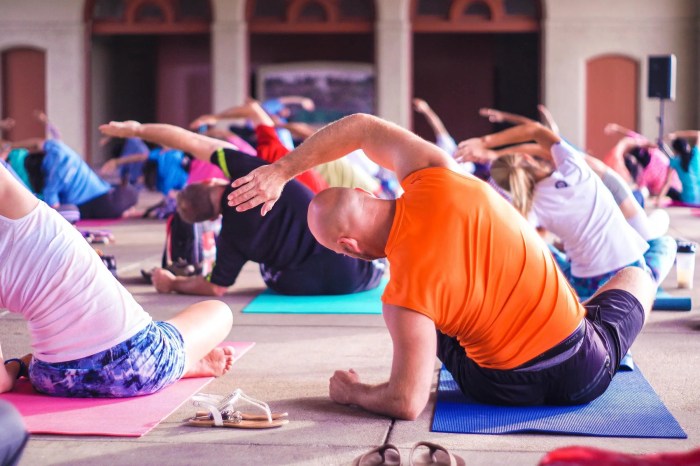
The sense of community within yoga classes transcends mere physical practice, creating a supportive environment where individuals can connect, grow, and share experiences. This bond among practitioners often leads to friendships and a sense of belonging, which can enhance one’s overall yoga journey and personal well-being. The cultural aspects of yoga also play a significant role in shaping these class environments, as they bring diverse traditions and philosophies into the practice, enriching the community experience.
Sense of Community in Yoga Classes
In yoga classes, the atmosphere fosters connections among participants that can lead to lasting relationships. This is due to shared experiences and collective growth during practice. The following points illustrate how this sense of community is developed:
- Shared Goals: Participants often come with similar intentions, such as improving flexibility, stress relief, or mindfulness, which unites them in their journeys.
- Supportive Environment: Instructors encourage a non-competitive atmosphere, promoting personal progress over comparison, which helps build camaraderie.
- Group Activities: Many classes incorporate partner work or group exercises that foster interaction and trust among participants.
- Social Events: Workshops, retreats, and community gatherings organized by studios create opportunities for deeper connections outside of regular classes.
Cultural Influences on Class Environments
The cultural heritage of yoga significantly influences how classes are conducted and experienced. Various cultural practices can enhance the sense of community. Notable cultural elements include:
- Yoga Philosophy: Principles such as Ahimsa (non-violence) and Satya (truthfulness) promote respect and understanding among participants.
- Inclusivity: Many yoga communities strive to be inclusive and welcoming, drawing on diverse cultural backgrounds, which enriches the class environment.
- Traditional Practices: Rituals such as chanting or meditation are often integrated into classes, creating a collective experience that deepens connections.
Personal Connections Made in Class Settings
Yoga classes often serve as a backdrop for the formation of meaningful relationships. Many practitioners share their stories of how they found significant connections within these spaces. Illustrative examples include:
- A participant who met a lifelong friend while struggling through a challenging class together, leading to joint practices and shared milestones.
- Individuals who collaborated on community service projects following a yoga workshop that emphasized social responsibility.
- People who have found mentors or role models among instructors, leading to personal and professional growth beyond the yoga studio.
The Business of Yoga Classes
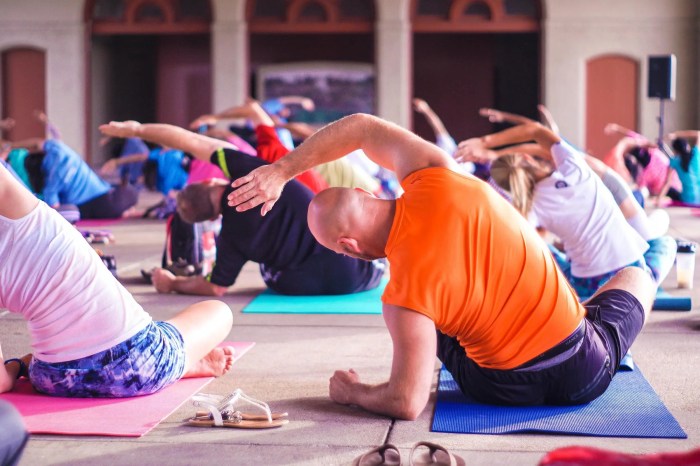
Starting a yoga studio is an exciting yet challenging endeavor that requires careful planning and strategic thinking. The success of a yoga studio hinges on various factors that span from the physical location to the marketing strategies implemented. Understanding these aspects is essential for creating a thriving yoga business that not only attracts students but also sustains their interest over time.
Factors to Consider When Starting a Yoga Studio
Several critical elements need to be assessed before launching a yoga studio. These considerations will lay a strong foundation for the business.
- Location: A well-chosen location can significantly influence foot traffic and accessibility for potential clients. Urban centers with high populations or areas with little competition may offer the best opportunities.
- Target Audience: Identifying the demographic you wish to serve can inform many decisions, from class types to marketing strategies.
- Studio Design: The ambiance of the studio should promote relaxation and peace. Elements such as lighting, flooring, and decor are pivotal in creating a welcoming environment.
- Licensing and Insurance: Ensuring that all legal requirements regarding health and safety, as well as business insurance, are met is crucial for operational legitimacy.
- Trained Instructors: Hiring qualified instructors not only enhances the quality of classes but also establishes credibility and trust with clients.
Marketing Strategies for Yoga Classes
Effective marketing is vital for attracting and retaining students. Various strategies can be employed to build a strong presence in the community.
- Social Media Presence: Utilizing platforms like Instagram and Facebook to showcase classes, share testimonials, and engage with the audience can significantly boost visibility.
- Community Events: Hosting free classes or workshops can introduce potential clients to the studio and foster a sense of community.
- Email Marketing: Regular newsletters with class schedules, wellness tips, and special promotions can keep current and prospective students informed and engaged.
- Collaborations: Partnering with local businesses, wellness professionals, or influencers can expand outreach and build credibility.
- Referral Programs: Incentivizing current members to refer friends can leverage word-of-mouth marketing effectively.
Pricing Framework for Yoga Classes
Establishing a competitive pricing strategy is crucial for attracting students while ensuring the sustainability of the business. The pricing framework should take into account various factors such as market trends, class offerings, and target demographics.
- Market Research: Analyze local competitors to gain insights into standard pricing for similar classes and memberships.
- Class Types and Length: Different classes, whether group or private, should have varied pricing based on duration and instructor expertise.
- Membership Packages: Offering tiered membership options can cater to different levels of commitment, from drop-in classes to monthly unlimited passes.
- Promotional Pricing: Seasonal discounts and introductory offers can attract new clients while enhancing retention rates.
- Value Addition: Providing additional services, such as workshops, or complimentary classes, can justify a higher price point and increase perceived value.
“The success of a yoga studio lies not only in the quality of classes offered but also in the effective implementation of business strategies that resonate with the community.”
Final Wrap-Up
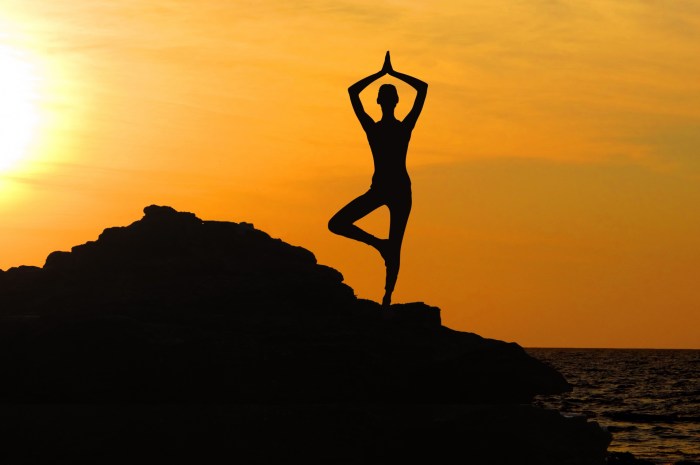
In conclusion, Yoga Classes serve as more than just physical exercise; they cultivate a vibrant community and offer a sanctuary for personal transformation. Whether online or in-person, the journey through yoga is one of continuous learning and connection, paving the way for improved health and a deeper understanding of oneself. As you embark on this journey, may you find the perfect class that resonates with your goals and enriches your life.
FAQ Explained: Yoga Classes
What should I wear to a yoga class?
It is advisable to wear comfortable, breathable clothing that allows for a full range of motion.
Do I need to bring my own mat?
While many studios provide mats, bringing your own can enhance your comfort and hygiene.
Is yoga suitable for beginners?
Yes, most yoga classes offer beginner options, and instructors will provide modifications for those new to yoga.
How often should I practice yoga?
Practicing yoga two to three times a week is beneficial for most individuals, but personal goals may vary.
Can yoga help with stress relief?
Yes, yoga is well-known for its ability to reduce stress and promote relaxation through mindful movement and breathing techniques.