Stress Management Techniques for a Balanced Life
Stress Management Techniques sets the stage for this enthralling narrative, offering readers a glimpse into a story that is rich in detail and brimming with originality from the outset. In today’s fast-paced world, stress has become an omnipresent challenge, affecting both our physical and mental well-being. Understanding the intricacies of stress—its causes, symptoms, and the far-reaching impacts it has on our lives—paves the way for effective management strategies that can foster resilience and enhance our overall quality of life.
Understanding Stress: Stress Management Techniques
Stress is a complex response of the body and mind to various challenges and demands encountered in daily life. It encompasses both physiological and psychological components that can significantly impact an individual’s overall well-being. By recognizing the nature of stress and its triggers, individuals can better manage their responses and mitigate its effects.The physiological aspect of stress involves a series of bodily reactions initiated by the autonomic nervous system.




When faced with stressors, the body releases hormones such as adrenaline and cortisol, which prepare it for “fight or flight” responses. These reactions include increased heart rate, heightened alertness, and muscle tension. The psychological component, on the other hand, encompasses emotional responses such as anxiety, frustration, and irritability. Together, these elements create a comprehensive understanding of stress that reflects both physical and mental states.
Participating in Detox Programs can be an excellent way to rejuvenate your body and mind. These programs help eliminate toxins while promoting overall well-being. Having a structured approach to nutrition during this process is equally important, which is where Nutrition Coaching comes in to guide you toward healthier eating habits that complement your detox journey.
Common Sources of Stress in Daily Life
Numerous factors in daily life can contribute to increased stress levels. Understanding these sources is essential for developing effective stress management strategies. Common stressors include:
- Work-related pressures, such as deadlines, workload demands, and conflicts with colleagues.
- Financial difficulties, including debt, unexpected expenses, and job insecurity.
- Relationship challenges, like conflicts with family members, friends, or partners.
- Health concerns, whether personal or related to loved ones, including chronic illnesses or significant life changes.
- Life transitions, such as moving homes, changing jobs, or adjusting to new environments.
Each of these sources can create emotional and physical strain, contributing to an overall sense of tension and unease.
Signs and Symptoms of High Stress Levels
It is crucial to recognize the signs and symptoms of elevated stress levels to address them promptly. High stress can manifest in various ways, impacting both mental and physical health. Common indicators include:
- Emotional symptoms such as increased anxiety, irritability, mood swings, and feelings of being overwhelmed.
- Cognitive signs like difficulty concentrating, racing thoughts, and indecisiveness.
- Physical symptoms including headaches, fatigue, muscle tension, and digestive issues.
- Behavioral changes, such as social withdrawal, changes in appetite, and neglect of responsibilities.
“Stress is not just a feeling; it is a condition that affects both mind and body, manifesting in various emotional and physical symptoms.”
By understanding these signs and sources, individuals can take proactive steps to manage stress effectively, leading to improved quality of life and better emotional resilience.
Importance of Stress Management
Effective stress management is essential for maintaining a balanced lifestyle, as it directly influences both physical and mental well-being. By implementing appropriate techniques, individuals can significantly mitigate the adverse effects of stress, leading to improved health outcomes and enhanced quality of life. Understanding the importance of managing stress is crucial, especially in today’s fast-paced environment where stressors are abundant.Unmanaged stress can lead to a variety of health complications, which can severely impact an individual’s life.
Prolonged exposure to stress can trigger physiological responses that may contribute to serious health issues. Recognizing these impacts highlights the need for proactive stress management measures.
Benefits of Effective Stress Management Techniques
Implementing effective stress management techniques brings numerous benefits that encompass both physical and mental health. These techniques not only help in alleviating stress but also promote overall well-being. Key benefits include:
- Improved Physical Health: Effective stress management can lead to lower blood pressure, reduced risk of heart disease, and better immune function. Research indicates that individuals who actively manage their stress levels experience fewer physical ailments.
- Enhanced Mental Clarity: Stress management techniques, such as mindfulness and meditation, improve concentration and cognitive function. This leads to better decision-making and problem-solving abilities.
- Increased Emotional Resilience: By developing coping strategies, individuals can better navigate emotional challenges, leading to greater resilience in the face of adversity.
- Better Relationships: Managing stress can improve interpersonal communication and reduce irritability, fostering healthier relationships with family, friends, and colleagues.
- Higher Productivity: Individuals who manage stress effectively often report increased productivity and performance in both personal and professional settings.
Impact of Unmanaged Stress on Physical Health
The consequences of unmanaged stress are profound, affecting various systems within the body. Chronic stress may lead to:
- Cardiovascular Issues: Prolonged stress can elevate blood pressure and increase the risk of heart disease and stroke. Stress hormones such as cortisol can cause inflammation and damage to blood vessels.
- Gastrointestinal Problems: Stress can disrupt normal digestive processes, leading to conditions such as irritable bowel syndrome (IBS), ulcers, and acid reflux.
- Weakened Immune System: High stress levels can impair immune function, making individuals more susceptible to infections and illnesses.
- Musculoskeletal Disorders: Tension and muscle tightness due to stress can lead to chronic pain conditions, such as tension headaches and neck pain.
Enhancement of Mental Well-Being through Stress Management
Effective stress management plays a vital role in enhancing mental health. By employing various techniques, individuals can experience:
- Reduction in Anxiety and Depression: Stress management strategies can alleviate symptoms of anxiety and depression, enabling individuals to experience a more positive outlook on life.
- Improved Self-Esteem: The practice of self-care and self-reflection through stress management can lead to increased self-worth and confidence.
- Better Sleep Quality: Managing stress can result in improved sleep patterns, which are essential for cognitive function and emotional regulation.
- Mindfulness and Presence: Stress management fosters mindfulness practices, which can enhance awareness and appreciation of the present moment, reducing feelings of overwhelm.
Techniques for Stress Management
Stress management is essential for maintaining overall well-being and enhancing productivity in daily life. Various techniques have been developed to help individuals cope with stress, foster resilience, and improve mental health. This section Artikels some popular stress management techniques and provides detailed insights into mindfulness meditation and cognitive-behavioral stress management principles.
Overview of Popular Stress Management Techniques
There are several effective stress management techniques that individuals can incorporate into their daily routines. Understanding these methods can enhance one’s ability to cope with everyday stressors. The following techniques are widely recognized for their effectiveness:
- Mindfulness Meditation: Involves focusing on the present moment, cultivating awareness, and accepting thoughts and feelings without judgment.
- Physical Activity: Engaging in regular exercise can significantly reduce stress levels by releasing endorphins and improving overall mood.
- Deep Breathing Exercises: Practicing deep breathing can trigger the body’s relaxation response, helping to reduce tension and anxiety.
- Progressive Muscle Relaxation: This technique involves tensing and then relaxing muscle groups to alleviate physical stress and promote relaxation.
- Time Management Techniques: Organizing tasks and setting priorities can help reduce overwhelm and manage stress more effectively.
Steps Involved in Practicing Mindfulness Meditation
Mindfulness meditation is a widely practiced technique known for its benefits in stress reduction and emotional regulation. Here are the steps to practice mindfulness meditation effectively:
- Find a Quiet Space: Choose a tranquil environment where you can sit comfortably without distractions.
- Sit Comfortably: Sit in a position that feels comfortable, whether on a chair, cushion, or the floor, with a straight back.
- Focus on Your Breath: Close your eyes gently and take a few deep breaths, paying attention to the sensation of air entering and leaving your body.
- Observe Your Thoughts: Allow thoughts to come and go without attaching to them. Acknowledge them and gently redirect your focus to your breath.
- Practice Regularly: Aim to practice mindfulness meditation for at least 5-10 minutes daily, gradually increasing the duration as you become more comfortable with the process.
Principles of Cognitive-Behavioral Stress Management
Cognitive-behavioral stress management (CBSM) is based on the idea that thoughts, feelings, and behaviors are interconnected. By modifying negative thought patterns, individuals can significantly reduce their stress levels. The following principles are fundamental to CBSM:
- Identifying Negative Thoughts: The first step involves recognizing and acknowledging negative thoughts that contribute to stress.
- Challenging Negative Beliefs: Individuals are encouraged to critically evaluate the validity of their negative thoughts and beliefs.
- Replacing Negative Thoughts: Substitute negative thoughts with positive or neutral alternatives to foster a more balanced perspective.
- Behavioral Activation: Engaging in activities that bring joy or fulfillment can help combat feelings of stress and anxiety.
- Developing Coping Strategies: Establishing practical coping strategies enhances resilience and equips individuals to manage stress effectively.
Physical Activities for Stress Relief
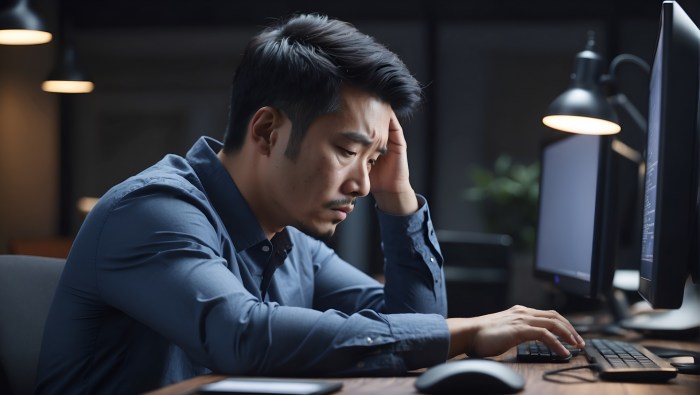
Engaging in physical activities is a highly effective method for relieving stress. Exercise not only improves physical health but also enhances mental well-being. It triggers the release of endorphins, chemicals in the brain that act as natural painkillers and mood elevators. This section explores various forms of physical activity that can significantly alleviate stress levels.
Beneficial Physical Exercises for Stress Relief
Incorporating specific physical exercises into your routine can serve as a powerful antidote to stress. The following list highlights exercises that are particularly beneficial for stress relief:
- Walking: A simple yet effective exercise that can be done anywhere, walking helps clear the mind and improve mood.
- Running: Engaging in running can increase heart rate and promote the release of endorphins, leading to a “runner’s high.”
- Swimming: This low-impact exercise is not only refreshing but also soothing, as it combines movement with the calming effects of water.
- Cycling: Whether outdoors or on a stationary bike, cycling can be a great way to reduce stress while enjoying the scenery or a good workout.
- Dancing: This is a fun way to express yourself while physically engaging in movements that lift your spirits.
Yoga Poses for Stress Alleviation, Stress Management Techniques
Yoga is renowned for its ability to promote relaxation and reduce stress through mindful movement and breathing techniques. Specific poses can help release tension and foster a sense of calm. The following yoga poses are particularly effective:
- Child’s Pose (Balasana): A restorative pose that encourages deep relaxation and breathing, helping to ease tension in the back and neck.
- Downward-Facing Dog (Adho Mukha Svanasana): This pose helps to stretch and strengthen the entire body while relieving stress and anxiety.
- Cat-Cow Stretch (Marjaryasana-Bitilasana): This gentle flow between two poses helps to relieve tension in the spine and encourages relaxation.
- Corpse Pose (Savasana): Often used at the end of a yoga class, this pose promotes deep relaxation and helps the body to integrate the benefits of the practice.
- Seated Forward Bend (Paschimottanasana): This pose helps to calm the mind and relieve stress through a deep stretch of the spine and hamstrings.
Effectiveness of Aerobic Activities in Reducing Stress
Aerobic activities are particularly effective not only for physical fitness but also for mental clarity and stress reduction. Studies have shown that engaging in regular aerobic exercise can lead to a significant decrease in stress levels. The benefits of aerobic activities include:
- Enhanced Mood: Aerobic exercises, such as jogging or cycling, stimulate the production of endorphins, leading to an improved mood.
- Improved Sleep: Regular aerobic activity can lead to better sleep quality, which is crucial for stress management.
- Increased Energy: Aerobic exercises boost energy levels, helping individuals feel more capable of handling daily stressors.
- Social Interaction: Participating in group aerobic classes or sports can provide social support, enhancing emotional well-being.
- Distraction: Aerobic activities offer a healthy distraction from daily stressors, allowing individuals a break from their worries.
“Regular physical activity can help reduce stress, alleviate anxiety, and improve overall mental health.”
Relaxation Techniques
Relaxation techniques are effective methods for alleviating stress and promoting mental clarity. They allow individuals to manage anxiety and enhance their overall well-being by providing simple yet powerful ways to calm the mind and body. Through practices like deep breathing, progressive muscle relaxation, and visualization, individuals can harness their body’s natural ability to relax and reduce tension.
Deep Breathing Exercises
Deep breathing exercises are one of the most accessible and effective relaxation techniques. They help to activate the body’s relaxation response, which counteracts stress. Deep breathing encourages full oxygen exchange, enhances lung capacity, and promotes a state of calm. Here are some beneficial deep breathing exercises:
- Diaphragmatic Breathing: Inhale deeply through the nose, allowing your abdomen to expand. Hold for a moment, then exhale slowly through the mouth. Repeat for 5-10 minutes to experience profound relaxation.
- 4-7-8 Breathing: Inhale through your nose for a count of 4, hold your breath for a count of 7, and exhale through your mouth for a count of 8. This technique may help to reduce anxiety and promote sleep.
- Box Breathing: Inhale for a count of 4, hold for a count of 4, exhale for a count of 4, and hold again for a count of 4. This method, often used by athletes, enhances focus and calms the nervous system.
Progressive Muscle Relaxation
Progressive muscle relaxation (PMR) is a technique that involves systematically tensing and then relaxing different muscle groups throughout the body. This practice helps to identify areas of tension and encourages a complete release, resulting in reduced physical stress. The benefits of PMR include its effectiveness in lowering anxiety, improving sleep quality, and increasing awareness of bodily sensations.To practice PMR, follow these steps:
- Find a comfortable position, either sitting or lying down.
- Start with your toes; tense the muscles for about five seconds, then relax.
- Progressively move up through your body, tensing each muscle group (feet, calves, thighs, abdomen, arms, shoulders, and face).
- Focus on the contrast between tension and relaxation, allowing your body to fully relax.
The process can take 15-30 minutes and is best undertaken in a quiet environment.
Visualization Techniques
Visualization techniques involve creating mental images to induce relaxation and focus. This practice can transport individuals to calming environments, promoting feelings of serenity and reducing anxiety. Visualization enhances mental clarity and can be an effective tool for stress management.To utilize visualization effectively, consider the following steps:
- Find a quiet space and close your eyes.
- Take deep breaths to settle into a relaxed state.
- Imagine a peaceful scene, such as a beach, forest, or mountain. Engage all your senses—what do you see, hear, feel, and smell?
- Maintain this imagery for several minutes, allowing the details to unfold in your mind. This immersive experience can provide significant stress relief.
The power of visualization lies in its ability to distract from stressors and foster a sense of tranquility. Practicing these relaxation techniques regularly can significantly enhance overall well-being and promote a balanced lifestyle.
Time Management and Stress
Effective time management is a crucial skill that significantly impacts stress levels in both personal and professional settings. When individuals fail to manage their time efficiently, they may encounter overwhelming responsibilities that lead to increased anxiety and stress. Conversely, mastering time management can foster a more organized approach to tasks, enabling individuals to maintain control over their workload and reduce stress.Understanding the relationship between time management and stress involves recognizing how prioritizing tasks and setting realistic goals can contribute to a more balanced life.
When tasks are organized and deadlines are manageable, individuals can navigate their responsibilities with greater ease, promoting a sense of accomplishment and reducing feelings of being overwhelmed.
Strategies for Prioritizing Tasks
Applying effective strategies for prioritizing tasks is essential for minimizing stress. Prioritization allows individuals to focus on what truly matters, ensuring that critical responsibilities are addressed promptly. The following strategies can aid in prioritizing tasks:
- The Eisenhower Matrix: This tool categorizes tasks based on urgency and importance, helping to identify what needs immediate attention versus what can be scheduled for later.
- ABC Method: By labeling tasks as A (most important), B (important but not urgent), or C (low priority), individuals can create a focused action plan that addresses the most pressing items first.
- Time Blocking: Allocating specific time slots for different tasks can enhance focus and prevent distractions, ultimately streamlining productivity.
Methods for Setting Realistic Goals
Setting realistic goals is fundamental to preventing overwhelm and managing stress effectively. When goals are achievable and well-defined, individuals are more likely to stay motivated and on track. The following methods can assist in establishing realistic goals:
- SMART Goals: By ensuring goals are Specific, Measurable, Achievable, Relevant, and Time-bound, individuals can create clear and attainable objectives that promote success.
- Break Down Large Tasks: Dividing larger projects into smaller, manageable tasks can reduce feelings of intimidation and enhance focus, allowing for steady progress.
- Regular Reviews: Conducting regular check-ins to assess progress on goals helps in making necessary adjustments and maintaining motivation.
“Time management is life management.” – Robin Sharma
Incorporating these strategies and methods into daily routines can lead to improved time management skills, resulting in reduced stress levels and a more fulfilling, balanced life.
Social Support and Stress Management
Maintaining social connections is critical for effective stress management. Engaging with family, friends, and communities provides emotional support, practical assistance, and a sense of belonging. These social bonds can significantly mitigate stress levels and enhance overall well-being.Social connections play a vital role in helping individuals cope with stress. Research indicates that having a strong support network can buffer against the negative impacts of stress by providing reassurance, reducing feelings of isolation, and fostering resilience.
When individuals can share their experiences and feelings with trusted friends or family members, it fosters a sense of understanding and acceptance, which can lead to improved mental health outcomes.
Strengthening Personal Relationships
Building and nurturing personal relationships is essential for providing social support. The following strategies can help enhance these connections:
1. Regular Communication
Consistently reaching out to loved ones through calls, texts, or in-person meetings helps maintain strong ties.
2. Quality Time
Engaging in activities together, such as dining out, participating in hobbies, or simply enjoying a walk, strengthens bonds and creates lasting memories.
Embracing a healthier lifestyle often begins with understanding the importance of Nutrition Coaching. By receiving personalized guidance, you can develop a tailored nutrition plan that suits your individual needs. Alongside this, consider participating in Detox Programs , which can help cleanse your body and enhance the effectiveness of your nutritional efforts, leading to a transformative experience.
3. Expressing Gratitude
Acknowledging and appreciating the support received from friends and family reinforces positive relationships and encourages continued support.
4. Being Available
Offering your time and attention to listen or help when loved ones face challenges fosters a reciprocal relationship where support is mutual.
Community Resources for Stress Management
Utilizing community resources can provide additional avenues for stress management. Various programs and services exist to support individuals in managing stress effectively. These resources include:
Support Groups
Local organizations often host support groups for individuals facing similar challenges. These groups create a safe space for sharing experiences and coping strategies.
Counseling Services
Professional counseling can offer guidance and tools for managing stress. Many communities provide low-cost or sliding-scale options for therapy.
Workshops and Seminars
Community centers may offer workshops on stress management techniques, including mindfulness, relaxation exercises, and conflict resolution.
Outdoor Activities
Community recreation programs often organize activities such as yoga in the park, group hikes, or fitness classes, which promote physical health and social interaction. By leveraging these community resources, individuals can enhance their stress management strategies, strengthen their social networks, and cultivate a supportive environment conducive to mental well-being.
Creating a Personal Stress Management Plan
Creating a personal stress management plan is essential for individuals seeking to mitigate stress effectively and enhance their overall well-being. A tailored approach allows one to identify specific triggers, assess personal stress levels, and implement strategies that resonate with individual lifestyles. This personalized action plan serves as a proactive tool to manage stress efficiently.A personal stress management plan should encompass clear strategies that are realistic and adaptable to changing circumstances.
By outlining specific techniques and setting measurable goals, individuals can actively work towards reducing stress in their daily lives. Monitoring progress and making adjustments as needed is vital for maintaining effectiveness. Personal reflection plays a crucial role in this process, as it encourages ongoing evaluation of what strategies work best.
Designing a Personalized Action Plan
An effective personalized action plan should include various techniques tailored to individual preferences and circumstances. This may involve a combination of relaxation methods, time management skills, and physical activities. The following steps Artikel how to design this action plan:
1. Identify Stress Triggers
Recognize situations, events, or interactions that consistently lead to feelings of stress. Journaling or reflective exercises can assist in uncovering these triggers.
2. Select Stress Management Techniques
Choose techniques that resonate with personal interests and lifestyle. Examples include:
Mindfulness meditation
Deep-breathing exercises
Regular physical exercise, such as yoga or brisk walking
Engaging in hobbies or creative activities to alleviate stress
3. Set Measurable Goals
Define specific, achievable, and time-bound goals related to stress management. For instance, one might aim to practice mindfulness for 10 minutes daily or complete a 30-minute workout three times a week.
4. Create a Schedule
Design a weekly schedule that incorporates stress management activities. Consistency is key, so allocate specific times for these practices.
5. Monitor Progress
Keep a record of stress levels and the effectiveness of chosen techniques. Use a stress diary or smartphone apps to track changes over time.
Monitoring and Adjusting Strategies
Monitoring the effectiveness of stress management strategies is crucial for long-term success. Regular assessments allow individuals to determine what works best and what needs adjustment. Consider the following methods for monitoring progress:
Weekly Review
Set aside time each week to review your stress diary. Reflect on what techniques helped in alleviating stress and which ones did not yield the desired results.
Adjusting Techniques
Be willing to modify techniques that are not effective. Experiment with new methods or intensify the practice of those that have proven beneficial.
Solicit Feedback
Involve close friends or family members in the process. Their observations can provide valuable insights into your stress management journey.
“Self-reflection is a powerful tool for growth and understanding, allowing for the modification of approaches in the search for effective stress management.”
The Importance of Self-Reflection
Self-reflection is essential in the evolution of a personal stress management plan. It fosters awareness and understanding of one’s emotional responses and coping mechanisms. Engaging in regular self-reflection can lead to the following benefits:
Increased Awareness
Understanding one’s emotional triggers and stress responses allows for more effective management strategies.
Adaptive Strategies
Self-reflection encourages individuals to adapt their approaches based on past experiences and current needs, leading to continuous improvement.
Emotional Resilience
Reflecting on challenges and successes builds emotional resilience, equipping individuals to handle future stressors more effectively.By implementing a personalized stress management plan and engaging in regular self-reflection, individuals can cultivate a more balanced and fulfilling life, ultimately enhancing their resilience against stress.
Last Recap

In conclusion, the exploration of Stress Management Techniques underscores the importance of adopting proactive measures to combat stress. By implementing a combination of mindfulness, physical activity, relaxation strategies, and social support, individuals can cultivate a healthier, more balanced life. Embracing these techniques not only mitigates the effects of stress but also promotes a deeper sense of well-being and fulfillment.
FAQ Summary
What are some common physical symptoms of stress?
Common physical symptoms of stress include headaches, fatigue, muscle tension, and gastrointestinal issues.
How can I incorporate mindfulness into my daily routine?
You can incorporate mindfulness through practices like meditation, deep breathing exercises, or simply by being present during daily activities.
Is exercise an effective way to manage stress?
Yes, regular physical activity can significantly reduce stress levels by releasing endorphins and improving overall mood.
How often should I practice relaxation techniques?
It is beneficial to practice relaxation techniques daily, even if only for a few minutes, to maintain a calm and centered state.
Can talking to friends really help with stress management?
Absolutely! Engaging with friends and family can provide emotional support, perspective, and a sense of belonging, all of which help in managing stress effectively.