Street Style Inspiration A Guide to Urban Fashion Trends
Street Style Inspiration opens the door to a vibrant world where individuality and creativity take center stage in urban fashion. This unique style reflects the cultural, social, and artistic influences from diverse communities, illustrating how personal expression can transcend traditional fashion boundaries. With roots that delve deep into the history of youth culture, street style has evolved over the decades, adapting to societal changes while maintaining its core essence of authenticity.
From the iconic looks of fashion capitals like New York and Tokyo to the dynamic influence of social media, street style continues to shape and redefine the global fashion landscape. This guide explores the key elements that characterize street style, highlights influential icons who have made a mark, and delves into regional variations that add to its rich tapestry. Readers will discover practical tips for cultivating their own unique street style and gain insights into emerging trends that promise to keep this fashion movement fresh and relevant.


Definition and Overview of Street Style
Street style represents a dynamic and diverse mode of fashion that embodies the personal expression of individuals through their clothing choices. It symbolizes a cultural movement whereby fashion is influenced by the social context and urban environment rather than traditional fashion systems. Street style has garnered significant attention for its ability to reflect the ethos of various subcultures and communities, making it a vital element in the narrative of contemporary fashion.The evolution of street style over the decades showcases its transformation from a niche aesthetic to a dominant force in global fashion.
Engaging in Detox Programs can be a beneficial way to rejuvenate your body and mind. These programs help eliminate toxins and promote better health, allowing you to feel more energized and focused. By following a well-structured detox plan, you can enhance your overall wellness and support your body’s natural healing processes.
In the 1950s, street style emerged alongside youth culture, primarily influenced by rock ‘n’ roll and rebellious attitudes. The 1960s and 1970s saw the rise of countercultures such as punk and hippie movements, which introduced bold patterns, DIY elements, and an unapologetic approach to self-expression. By the 1980s and 1990s, hip-hop and skate culture played a pivotal role in shaping street style, characterized by oversized silhouettes, vibrant colors, and brand-centric fashion.
Managing stress is essential for maintaining overall well-being. Implementing effective Stress Management Techniques , such as mindfulness and exercise, can significantly improve your mental health. By making these practices a regular part of your routine, you can enhance your ability to cope with daily challenges and foster a more balanced life.
The 2000s and beyond have witnessed an increased merging of street style with high fashion, as designers and brands seek inspiration from the streets, resulting in collaborations and a more inclusive fashion landscape.
Key Elements of Street Style Aesthetics
Street style is characterized by several distinctive elements that contribute to its unique appeal. These elements encapsulate a range of influences and exhibit personal creativity, often blurring the lines between fashion and art. Below are some of the key components that define street style aesthetics:
- Individuality: One of the hallmarks of street style is the emphasis on personal expression. Each outfit often reflects the wearer’s personality, cultural background, and experiences.
- Layering: Layering is a common technique in street style, allowing individuals to mix and match various textures, patterns, and silhouettes, which adds visual interest to their outfits.
- Comfort: Street style prioritizes comfort without compromising style. The choice of fabrics and cuts often leans towards relaxed fits that allow ease of movement.
- Mixing High and Low Fashion: A significant characteristic of street style is the combination of high-end designer pieces with thrifted or fast fashion items, creating a balanced and accessible look.
- Accessories: Accessories play a crucial role in completing street style outfits. Items such as hats, statement jewelry, and unique bags often define an outfit’s overall vibe.
- Footwear: Footwear choices in street style vary widely, from sneakers to boots, often reflecting current trends while prioritizing comfort and practicality.
“The beauty of street style lies in its spontaneity and the ability to challenge traditional fashion norms.”
Influential Street Style Icons
The realm of street style has been significantly shaped by various influential figures who have not only defined the aesthetic but also propelled it onto global platforms. These icons have transcended traditional fashion boundaries, showcasing individualism and creativity that inspire countless others. Their unique approaches to style and fashion have cemented their status not only as trendsetters but also as cultural figures.The contributions of these street style icons are critical in understanding the evolution of contemporary fashion.
For instance, their ability to blend high fashion with casual wear has redefined style norms and contributed to the acceptance of diverse expressions of identity through clothing. The impact of social media has further amplified their influence, enabling them to reach wider audiences, inspire trends, and instigate conversations about fashion and culture worldwide.
Prominent Street Style Icons
Several figures have emerged as key influencers in the street style arena, each leaving a unique mark on fashion trends globally. The following notable icons illustrate how street style has evolved through their distinct contributions:
- Kanye West: A cultural powerhouse, Kanye’s personal style melds luxury with streetwear. His Yeezy brand has revolutionized sneaker culture and casual wear, making it a staple in contemporary fashion.
- Rihanna: Known for her daring fashion choices, Rihanna’s street style often combines high fashion with edgy, urban elements. Her influence extends to her collaborations, such as with Puma, which have set new trends in athletic wear.
- A$AP Rocky: With his eclectic mix of designer pieces and vintage finds, A$AP Rocky has popularized a laid-back yet sophisticated street style. His fashion-forward approach has inspired many, leading to greater acceptance of gender-fluid styles.
- Zendaya: Recognized not just for her acting but also her fashion sense, Zendaya frequently uses her platform to showcase inclusive and diverse representations of beauty and style, influencing a younger audience.
These icons have not only redefined their personal brands but have also catalyzed broader trends, impacting how global audiences perceive and engage with street style.
Impact of Social Media on Street Style Icons
Social media platforms have transformed the recognition and influence of street style icons, allowing them to cultivate their identities in unprecedented ways. The instantaneous nature of platforms like Instagram and TikTok enables these icons to share their fashion choices in real-time, creating a direct connection with their followers. The role of social media can be highlighted through several key factors:
- Accessibility: Street style icons can share their fashion insights, outfit inspirations, and personal stories directly with fans, making high fashion more relatable and accessible.
- Global Reach: Social media allows influencers to reach audiences across the globe, facilitating a cultural exchange of ideas and styles that transcends geographic boundaries.
- Engagement: Followers are encouraged to engage with their favorite icons, creating a community around shared fashion interests and trends. This interaction fosters a sense of belonging and encourages individuals to express their unique styles.
- Trendsetting: Platforms often serve as a launchpad for new trends, with street style icons setting the tone for seasonal fashion through their posts, influencing both high-end designers and fast fashion retailers.
In summary, the combination of influential street style icons and the vast reach of social media has created a dynamic interplay that continues to shape the fashion landscape. Their contributions and visibility foster a culture that celebrates diversity, creativity, and self-expression in style.
Key Elements of Street Style: Street Style Inspiration
Street style is a dynamic and vibrant fashion movement that captures the essence of urban culture and individuality. It reflects personal expression, creativity, and the influences of various subcultures, making it an ever-evolving aspect of contemporary fashion. Understanding the key elements of street style is essential for anyone looking to explore or enhance their wardrobe. This segment delves into the essential apparel pieces, the crucial role of accessories, and the significance of footwear in defining street style.
Essential Apparel Pieces
The foundation of any street style wardrobe is built on a selection of versatile and statement-making apparel pieces. These items not only serve functional purposes but also convey a strong sense of personal style. Key apparel pieces often include:
- Graphic T-Shirts: These are a staple in street style, featuring bold prints, logos, or artistic designs that express individuality.
- Denim Jackets: A timeless piece that adds an effortless coolness to any outfit and can be layered over various styles.
- Hoodies: Comfortable yet stylish, hoodies are perfect for creating a laid-back look, often paired with joggers or jeans.
- Loose-Fitting Pants: Styles such as cargo pants, baggy jeans, or wide-leg trousers contribute to the relaxed vibe of street style.
- Statement Outerwear: From oversized coats to bright bomber jackets, outerwear plays a crucial role in layering and completing a street style ensemble.
Role of Accessories
Accessories are vital in enhancing street style looks, providing opportunities for personal expression and creativity. They can elevate an otherwise simple outfit, making it more distinctive and fashionable. Important accessories include:
- Hats: Beanies, snapbacks, and bucket hats are popular choices that add an element of flair and individuality.
- Sunglasses: Oversized or uniquely shaped glasses not only offer protection from the sun but also add a chic touch to any look.
- Bags: Crossbody bags, backpacks, and fanny packs serve both functional and stylistic purposes, often featuring bold designs or unique textures.
- Jewelry: Layered necklaces, statement earrings, and chunky rings can significantly enhance the visual interest of an outfit.
Importance of Footwear
Footwear is a defining aspect of street style, as it can drastically influence the overall aesthetic of an outfit. The right pair of shoes can transform a look from basic to striking. Common footwear choices in street style include:
- Sneakers: An essential element, sneakers come in various styles and colors, often prioritizing comfort while making a bold fashion statement.
- Combat Boots: These rugged shoes add an edgy vibe, lending a sense of toughness to both casual and dressier outfits.
- Loafers and Slides: Offering a blend of comfort and style, these are increasingly popular in streetwear for their versatility.
- High-Top Sneakers: A classic choice within street fashion, high-tops add a youthful and sporty aesthetic to various ensembles.
Regional Variations in Street Style
Street style serves as a vivid expression of cultural identity, influenced by various factors such as geography, climate, and local traditions. Major cities around the globe showcase distinct street style trends that reflect their unique cultural landscapes. Understanding these variations provides insights into how fashion becomes a canvas for social expression and identity.
Distinct Features in Major Cities
Street style in cities like New York, Tokyo, and Paris is marked by distinct characteristics that highlight the cultural nuances of each location.
- New York: Known for its fast-paced lifestyle, New York street style is a seamless blend of high fashion and casual wear. The city’s diverse population contributes to an eclectic mix of styles, where leather jackets, oversized clothing, and athleisure pieces dominate. This blend represents the city’s dynamic energy and the influence of various subcultures.
- Tokyo: Tokyo’s street style is often characterized by its boldness and experimentation. From Harajuku’s whimsical fashion to the sleek minimalist styles seen in Shibuya, the city’s youth embrace diverse aesthetics. Layering, vibrant colors, and intricate accessories are prevalent, reflecting Japan’s rich traditions and a forward-thinking attitude towards fashion.
- Paris: Parisian street style epitomizes effortless elegance, often showcasing a polished yet relaxed look. The emphasis is on timeless pieces, such as tailored blazers, chic scarves, and classic footwear. This style is heavily influenced by Paris’s historical significance in fashion, representing a blend of sophistication and a laid-back attitude.
Cultural Influences Shaping Street Style
The cultural backdrop of each city plays a pivotal role in shaping its street style.
- New York: The city’s history of immigration and its status as a cultural melting pot infuse its street style with a variety of influences—from punk and hip-hop to high fashion. This rich cultural tapestry encourages creativity and individuality.
- Tokyo: Japan’s cultural heritage, juxtaposed with modern influences such as pop culture and technology, fosters a unique style that is both historic and contemporary. The country’s appreciation for craftsmanship is evident in the meticulous details of street fashion.
- Paris: French culture, with its deep-rooted appreciation for art and aesthetics, impacts the sophistication of Parisian street style. The city’s artistic legacy promotes a sense of style that favors quality and timeless elegance over fleeting trends.
Adaptation of Local Trends
Local trends often adapt global street style influences, creating a unique fusion that reflects the contemporary fashion narrative.
- In New York, global trends may be interpreted through an urban lens, combining international fashion statements with the city’s gritty aesthetic.
- Tokyo takes global influences and infuses them with local traditions, resulting in fashion that is innovative yet rooted in cultural heritage. For instance, Western trends may be blended with traditional Japanese garments such as kimonos, creating a fresh take on modern style.
- In Paris, international trends are filtered through the lens of Parisian chic, where a global influence is often made to feel distinctly French. This might involve pairing contemporary pieces with vintage elements, showcasing a knack for mixing high and low fashion.
“Street style is not just about fashion; it represents the culture and identity of a place.”
The Role of Social Media in Street Style
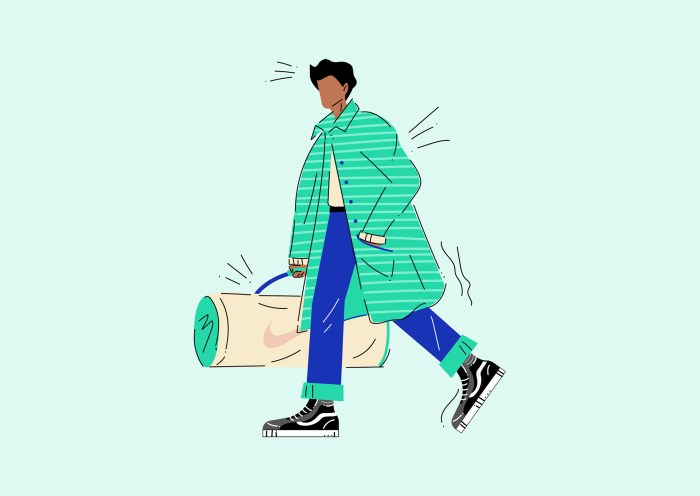
The advent of social media has profoundly reshaped the landscape of fashion, particularly in the realm of street style. Platforms such as Instagram and TikTok have emerged as pivotal spaces where individuals showcase their unique fashion sense, inspiring others and influencing trends worldwide. As these platforms continue to evolve, they serve not only as a gallery for personal expression but also as a catalyst for the rapid dissemination of fashion trends.The impact of social media on street style can be measured through the exponential growth of content shared online.
Recent statistics indicate that over 1 billion users engage with Instagram monthly, with 500 million utilizing the platform’s Stories feature daily. Similarly, TikTok has quickly amassed over 1 billion monthly active users, with a significant portion actively participating in fashion challenges and trends. This surge in user engagement highlights the potent role social media plays in shaping contemporary street style.
Influential Hashtags in Street Style
Hashtags are a crucial component of social media, allowing users to categorize content and discover trends easily. In the context of street style, specific hashtags have gained popularity and serve as indicators of ongoing fashion trends. Here are some of the most widely used hashtags within the street style community:
- #StreetStyle
-The most ubiquitous hashtag, encapsulating a broad range of urban fashion expressions. - #OOTD (Outfit of the Day)
-A staple among fashion enthusiasts, this hashtag showcases daily outfits and encourages followers to share their personal style. - #FashionInspo
-This tag is often used to seek or provide fashion inspiration, connecting users with similar tastes. - #StreetFashion
-This hashtag emphasizes a more global approach to street style, encompassing various cultural influences. - #ThriftedFashion
-A growing trend highlighting sustainable fashion choices, celebrating second-hand and vintage clothing.
The use of these hashtags not only enhances visibility for individual posts but also fosters community engagement, enabling users to connect over shared fashion interests and trends. The interaction within these digital spaces greatly influences the evolution of street style, as trends can emerge, evolve, and dissipate at an unprecedented pace.
Street Style Fashion Shows and Events
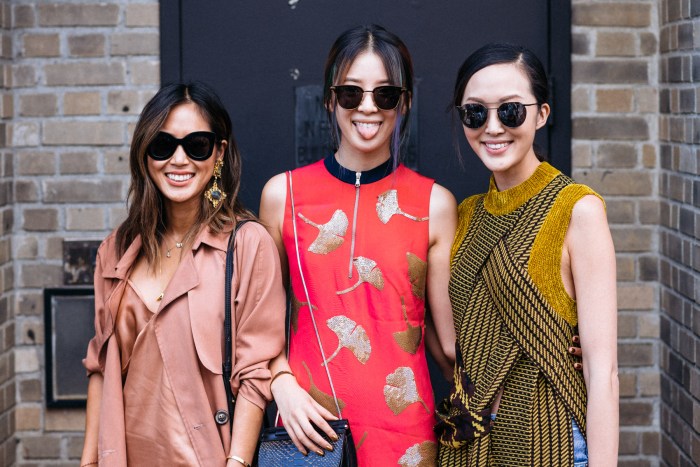
Street style has become an integral part of the fashion landscape, significantly influencing trends and designer collections. Major fashion events across the globe serve as platforms for showcasing street style, reflecting the evolving tastes and cultural expressions of urban environments. This section explores notable fashion events, the impact of street style during these occasions, and how designers draw inspiration from these dynamic trends.
Major Fashion Events Showcasing Street Style
Several prestigious fashion events highlight the significance of street style, bringing together industry professionals, influencers, and fashion enthusiasts. These events not only serve as a platform for designers but also as a canvas for street style enthusiasts to express their individuality. The following is a list of major fashion events that prominently feature street style:
- New York Fashion Week
- London Fashion Week
- Milan Fashion Week
- Paris Fashion Week
- Tokyo Fashion Week
- Fashion weeks in smaller cities, such as Copenhagen and Berlin
The ambiance of these events is charged with creativity, as attendees often showcase their most daring and innovative looks. Street style observed during these events often garners significant media attention, contributing to the overall narrative of each fashion week.
Impact of Street Style on Mainstream Fashion
Street style serves as a powerful force in shaping mainstream fashion trends. The aesthetics observed during fashion shows and events often trickle down into retail, influencing consumer behavior and brand strategies. Key impacts include:
-
Street style democratizes fashion, making it more accessible to the general public.
- It encourages a mix of high fashion with casual, everyday wear, leading to the rise of athleisure and other hybrid styles.
- Designers take cues from real-life fashion, embracing diversity and individuality in their collections.
- Street style trends are often amplified through social media, making them instantaneously recognizable and widely adopted.
The blending of street style with high fashion creates a dialogue between designers and consumers, ensuring that collections resonate with a broader audience.
Incorporation of Street Style by Designers
Designers increasingly incorporate elements of street style into their collections, recognizing its influence and relevance in today’s fashion paradigm. This integration is evident in various facets of their designs:
- Utilization of unconventional materials and silhouettes, inspired by urban lifestyles.
- Collaboration with streetwear brands, bridging the gap between high fashion and street style.
- Adoption of bold patterns and graphic designs that reflect contemporary culture.
- Inclusion of diverse models that represent the multifaceted nature of street style.
These approaches ensure that fashion remains relatable and responsive to the cultural zeitgeist, reflecting the vibrancy of street style as a crucial aspect of modern aesthetics. Through their collections, designers celebrate the creativity and innovation that street style embodies, fostering a dynamic interplay between the runway and the streets.
DIY Street Style Tips
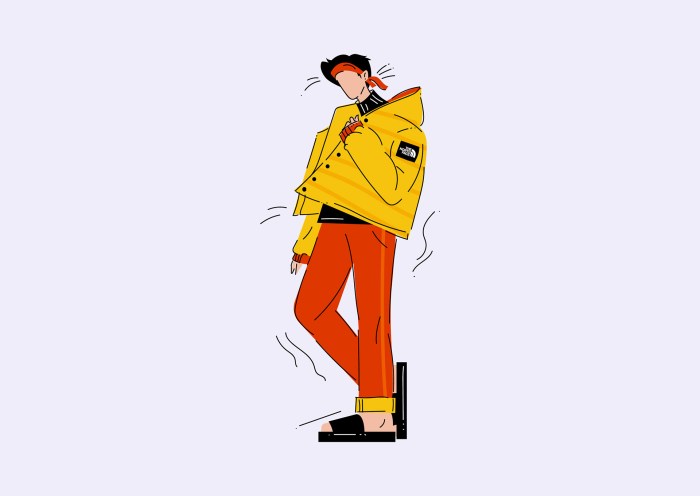
Curating a unique street style wardrobe is a creative and personal journey that reflects individual identity, style preferences, and cultural influences. By embracing a hands-on approach, fashion enthusiasts can blend their own tastes with current trends, resulting in one-of-a-kind outfits that stand out in any urban landscape. This guide provides actionable insights to transform your wardrobe into a vibrant representation of your personality.Building a distinctive street style wardrobe requires thoughtful selection and experimentation.
The key is to focus on versatile pieces that can be easily mixed and matched. Consider incorporating items that reflect varying styles, from vintage to contemporary, allowing for greater flexibility in outfit creation. Additionally, keep an eye on the latest trends while allowing personal flair to shine through. Transforming basic clothing pieces into fashionable outfits can be achieved through clever styling, layering, and accessorizing.
Curating a Unique Street Style Wardrobe
The foundation of a unique street style wardrobe lies in selecting versatile and statement-making pieces. Here are essential tips for curating your collection:
- Focus on timeless staples such as denim jackets, oversized t-shirts, and tailored pants, which serve as excellent backdrops for experimentation.
- Invest in bold accessories like chunky sneakers, wide-brimmed hats, and eye-catching bags to elevate simple outfits.
- Explore thrift shops, vintage markets, or upcycling options to discover unique items that cannot be found in mainstream retail.
- Incorporate graphic tees or statement prints that express personal interests or cultural references, giving outfits a narrative.
- Choose a color palette that resonates with personal style, making it easier to mix and match pieces cohesively.
Mixing and Matching Different Styles and Patterns
Creating visually interesting outfits often involves combining various styles and patterns. Here are strategies to effectively mix and match:
- Pair bold patterns with neutral colors to balance the visual impact and prevent overwhelming the outfit.
- Experiment with complementary color schemes, such as mixing warm and cool tones, to create dynamic ensembles.
- Layer different textures, like denim, leather, and cotton, to add depth and interest to the outfit.
- Use unexpected combinations, such as pairing feminine dresses with rugged boots or oversized jackets, to create unique contrasts.
- Incorporate accessories that bridge the gap between different styles, such as a vintage belt over a modern dress.
Transforming Basic Clothing Pieces, Street Style Inspiration
Basic clothing pieces can easily be transformed into trendy street style outfits through innovative styling techniques. Consider these transformation tips:
- Layer a fitted turtleneck under an oversized blazer for a chic yet relaxed look.
- Use a belt to cinch an oversized shirt or dress at the waist, creating a flattering silhouette.
- Wear a basic white tee tucked into high-waisted jeans, complemented with a statement necklace or bright sneakers.
- Add a hoodie under a long coat for a street-smart vibe that combines comfort with style.
- Transform a simple skirt by pairing it with ankle boots and a graphic tee, incorporating a denim jacket for an added edge.
Future Trends in Street Style
As street style evolves with the changing cultural landscape, several trends are emerging that promise to redefine urban fashion in the upcoming seasons. The convergence of sustainability, technological innovations, and unique styling choices is shaping a future that reflects not only personal expression but also a commitment to the environment and community.One of the most significant influences on future street style is the growing emphasis on sustainability.
Eco-friendly practices are becoming central to fashion choices, leading to a shift in consumer behavior towards brands that prioritize ethical production. This movement encourages the adoption of upcycled materials, vintage clothing, and brands that advocate for fair labor practices. Consumers are increasingly aware of their style choices’ environmental impact, prompting a demand for transparent supply chains and sustainable materials.
Sustainability in Street Style Choices
The integration of sustainability into street style signifies a broader cultural shift towards environmental consciousness. This trend manifests in various ways:
- Use of Recycled Fabrics: Designers are increasingly utilizing materials made from post-consumer waste, such as recycled polyester and organic cotton, to create unique garments that minimize environmental footprints.
- Vintage and Thrift Shopping: The resurgence of vintage clothing is not merely a nostalgic trend but a conscious effort to reduce waste and promote circular fashion.
- Locally Sourced Production: Many street style enthusiasts are opting for brands that produce locally, supporting local economies and reducing transportation emissions.
- Timeless Designs: The focus is shifting towards timeless and versatile pieces that can be styled in various ways, encouraging consumers to invest in quality over quantity.
Technology’s Impact on Future Street Style
Technology is poised to play an influential role in shaping the future of street style, altering how fashion is designed, marketed, and consumed. Emerging technological trends include:
- Augmented Reality (AR): AR apps allow users to visualize how outfits will look on them without trying them on physically, enhancing the shopping experience.
- Artificial Intelligence (AI): AI is being used to predict fashion trends and consumer preferences through data analytics, allowing brands to cater more effectively to their audience.
- Digital Fashion: Virtual clothing items designed for avatars and digital spaces are gaining popularity, reflecting how fashion may transcend physical limitations.
- Blockchain Technology: This technology enhances transparency in the fashion supply chain, enabling consumers to trace the origin of their garments and verify sustainable practices.
Conclusion
In summary, Street Style Inspiration serves as a testament to the power of personal style and its ability to reflect the spirit of the times. From legendary icons to contemporary influencers, the evolution of street style illustrates how fashion can be both a form of self-expression and a cultural dialogue. As we look ahead, the fusion of sustainability and technology will undoubtedly shape the future of street style, encouraging individual creativity while promoting a more conscious approach to fashion.
Query Resolution
What is street style?
Street style refers to fashion trends that emerge from everyday streetwear, characterized by individual expression and cultural influences.
How has street style evolved over the years?
Street style has evolved with societal changes, adopting different aesthetics and influences from various subcultures throughout the decades.
Who are some influential street style icons?
Prominent figures such as Karl Lagerfeld, Anna Wintour, and various social media influencers have significantly impacted street style trends globally.
How does social media influence street style?
Social media platforms like Instagram and TikTok amplify street style trends by providing a space for users to showcase and discover new looks and styles.
What are essential items in a street style wardrobe?
Key items often include oversized jackets, graphic tees, sneakers, and a variety of accessories that enhance personal style.
How can I create my own street style?
Curate a unique street style by mixing and matching different clothing pieces, incorporating accessories, and expressing your personality through fashion.