Sleep Therapy A Comprehensive Approach to Restful Nights
Sleep Therapy sets the stage for this enthralling narrative, offering readers a glimpse into the multifaceted world of sleep improvement techniques. In modern health care, the significance of sleep therapy cannot be overstated, as it plays a crucial role in addressing various sleep disorders that affect a significant portion of the population. From the historical evolution of its techniques to the diverse methods available today, sleep therapy emerges as a vital component for enhancing overall well-being.
This overview highlights various therapeutic approaches ranging from Cognitive Behavioral Therapy for Insomnia (CBT-I) to relaxation techniques, shedding light on how tailored interventions can lead to improved sleep quality. By understanding the principles behind these methods, individuals can better appreciate the transformative potential of sleep therapy.




Introduction to Sleep Therapy

Sleep therapy refers to a range of treatments designed to address various sleep disorders that can significantly impact an individual’s overall health and well-being. With the growing recognition of the importance of sleep in modern health care, sleep therapy has emerged as a vital component in managing conditions that disrupt restorative rest. These therapies not only aim to improve sleep quality but also provide strategies to alleviate the symptoms associated with sleep disorders, enhancing the patient’s quality of life.Numerous sleep disorders have been identified, each requiring specific therapeutic approaches.
Common conditions that may benefit from sleep therapy include insomnia, sleep apnea, restless leg syndrome, and narcolepsy. Insomnia involves difficulty falling or staying asleep, while sleep apnea is characterized by interruptions in breathing during sleep. Restless leg syndrome causes uncomfortable sensations in the legs, prompting an irresistible urge to move them, and narcolepsy is a neurological disorder that affects the control of sleep and wakefulness.
Addressing these disorders through tailored sleep therapy can lead to improved health outcomes and enhanced daily functioning.
Historical Evolution of Sleep Therapy Techniques
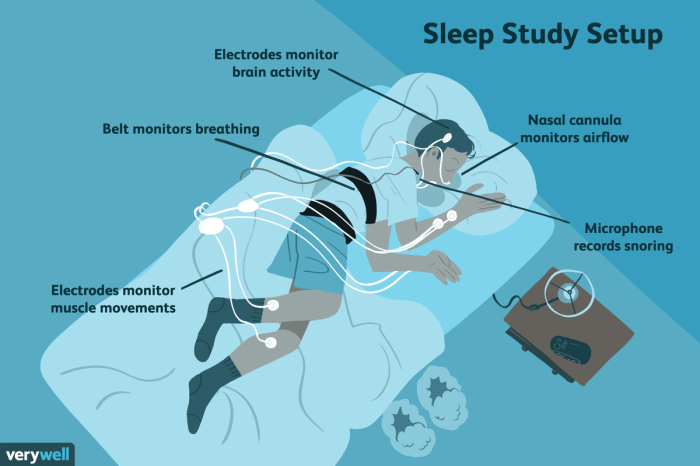
The evolution of sleep therapy can be traced back to ancient civilizations, where sleep disturbances were often attributed to supernatural forces. In Ancient Egypt, for example, sleep was seen as a divine gift, while in Ancient Greece, Hippocrates suggested that proper diet and lifestyle changes could improve sleep quality. As medical science progressed, the understanding of sleep and its disorders evolved.In the 20th century, significant advancements in the study of sleep occurred, particularly with the advent of polysomnography in the 1950s.
This technique allowed researchers to monitor and analyze sleep patterns scientifically. The introduction of cognitive-behavioral therapy for insomnia (CBT-I) in the late 1970s marked a turning point in sleep therapy. CBT-I focuses on changing sleep-related behaviors and thoughts, proving effective for many patients dealing with chronic insomnia.With the rise of technology, modern sleep therapies have incorporated devices such as continuous positive airway pressure (CPAP) machines for sleep apnea, which provide a steady stream of air to keep airways open during sleep.
For those looking to improve their eating habits, exploring Healthy Meal Plans can provide a structured approach to nutrition. These plans offer balanced meal suggestions that not only promote wellness but also cater to various dietary preferences. In addition, if you aim to shed some pounds, incorporating effective Weight Loss Programs can complement your healthy eating journey, ensuring you achieve your fitness goals sustainably.
Additionally, wearable sleep trackers have become popular, offering insights into sleep patterns and helping individuals manage their sleep health. Overall, the field of sleep therapy has transformed from ancient beliefs and practices to a comprehensive, evidence-based approach that recognizes the critical role of sleep in health and wellness.
Types of Sleep Therapy
Sleep therapy encompasses a variety of methods designed to address sleep disturbances and improve overall sleep quality. These approaches cater to diverse individual needs and preferences, offering both behavioral and medical strategies to promote better sleep. Understanding the different types of sleep therapy can help individuals make informed choices about their sleep health.
Cognitive Behavioral Therapy for Insomnia (CBT-I)
Cognitive Behavioral Therapy for Insomnia (CBT-I) is a structured program that helps individuals identify and replace thoughts and behaviors that contribute to sleep problems. This approach is grounded in cognitive and behavioral principles and has been shown to be effective for many suffering from chronic insomnia. Key components of CBT-I include:
- Sleep Restriction: This technique involves limiting the time spent in bed to the actual amount of sleep a person gets, gradually increasing this time as sleep efficiency improves.
- Cognitive Restructuring: Individuals learn to recognize and change negative thoughts related to sleep, which can heighten anxiety and disrupt restful sleep.
- Stimulus Control: This principle focuses on creating an association between the bed and sleep, encouraging individuals to go to bed only when sleepy and to get out of bed if they cannot sleep.
- Relaxation Techniques: Incorporating various relaxation strategies to reduce tension and anxiety can facilitate easier transition into sleep.
Sleep Hygiene Education
Sleep hygiene encompasses a set of practices that promote consistent, uninterrupted sleep. Educating individuals about proper sleep hygiene can enhance their quality of sleep significantly. Important sleep hygiene practices include:
- Maintaining a Consistent Sleep Schedule: Going to bed and waking up at the same time each day helps regulate the body’s internal clock.
- Creating a Comfortable Sleep Environment: This involves optimizing the bedroom for sleep by controlling noise, light, and temperature, and ensuring a comfortable mattress and pillow.
- Avoiding Stimulants: Limiting the intake of caffeine, nicotine, and heavy meals close to bedtime is crucial for promoting restful sleep.
- Establishing a Relaxing Pre-Sleep Routine: Engaging in calming activities before bed, such as reading, taking a warm bath, or practicing gentle yoga, can signal the body that it is time to wind down.
Relaxation Techniques
Relaxation techniques play a vital role in sleep therapy by reducing stress and promoting a sense of calm. Several effective relaxation methods include:
- Progressive Muscle Relaxation: This technique involves systematically tensing and relaxing different muscle groups in the body, which can lead to overall relaxation.
- Deep Breathing Exercises: Focusing on slow, deep breaths can help reduce anxiety and facilitate a sense of tranquility, conducive to sleep.
- Meditation and Mindfulness: Practicing meditation can help clear the mind of racing thoughts and worries, making it easier to fall asleep.
- Guided Imagery: This technique involves visualizing peaceful and serene scenes to promote relaxation and induce sleepiness.
The Role of Medication in Sleep Therapy
Medication can be a useful component in sleep therapy, especially for individuals with severe sleep disorders. However, it is essential to consider the benefits and drawbacks associated with pharmacological treatments.
- Types of Sleep Medications: Various classes of sleep medications are available, including benzodiazepines, non-benzodiazepine sedative-hypnotics, and melatonin receptor agonists. Each has its unique mechanisms of action and potential side effects.
- Benefits: Medications can provide immediate relief from insomnia symptoms, allowing individuals to achieve adequate sleep quickly, which may be especially helpful in acute situations.
- Drawbacks: Long-term use of sleep medications can lead to dependency, tolerance, and withdrawal symptoms. Additionally, some medications may cause side effects such as daytime drowsiness or cognitive impairment.
- Consultation with Healthcare Providers: It is crucial for individuals considering medication to consult with healthcare professionals to weigh the risks and benefits based on their specific circumstances.
Techniques and Practices
In the pursuit of improved sleep quality, various techniques and practices are instrumental in fostering relaxation and enhancing overall sleep health. These methods can significantly mitigate sleep disturbances, making them essential components of effective sleep therapy.A consistent sleep routine, combined with relaxation techniques, can help individuals unwind and prepare for a restful night. Below is a list of common relaxation techniques that have been shown to improve sleep:
Common Relaxation Techniques for Improving Sleep
Implementing relaxation techniques can create a conducive environment for sleep by reducing stress and anxiety levels. The following practices are widely recognized for their effectiveness in promoting better sleep:
- Meditation: Involves focusing the mind and eliminating distractions, which can lead to a state of tranquility.
- Deep Breathing Exercises: Techniques such as diaphragmatic breathing help calm the nervous system and lower heart rates.
- Progressive Muscle Relaxation: This technique involves tensing and then relaxing various muscle groups, promoting physical and mental relaxation.
- Guided Imagery: A mental exercise that uses visualization to evoke a sense of peace and relaxation.
- Yoga: Incorporating physical postures and breathing techniques can reduce stress and improve sleep quality.
Comparison of Sleep Therapy Techniques
Different sleep therapy techniques can be more effective for various sleep disorders. The table below compares the effectiveness of several techniques based on common sleep disorders:
| Technique | Insomnia | Sleep Apnea | Restless Leg Syndrome | Nightmares |
|---|---|---|---|---|
| Meditation | High | Medium | Low | High |
| Deep Breathing Exercises | Medium | Low | Medium | Medium |
| Progressive Muscle Relaxation | High | Low | Medium | High |
| Guided Imagery | Medium | Low | Low | High |
| Yoga | High | Medium | Medium | Medium |
Importance of Maintaining a Consistent Sleep Schedule
Establishing a consistent sleep schedule is paramount for optimal sleep quality. Regular sleep patterns help regulate the body’s internal clock, leading to improved overall restfulness and health. Disruption of this schedule can result in various sleep-related issues, including insomnia and excessive daytime sleepiness.
“A consistent sleep schedule reinforces the natural circadian rhythm, enhancing the quality and duration of sleep.”
Individuals are encouraged to go to bed and wake up at the same times each day, even on weekends, to cultivate a routine that benefits sleep hygiene. This regularity influences not only the duration of sleep but also its restorative phases, contributing to better mental and physical health outcomes.
Role of Environment in Sleep Therapy
Creating a conducive sleep environment is vital for enhancing the outcomes of sleep therapy. The physical space in which a person sleeps can significantly influence their ability to relax, fall asleep, and remain asleep throughout the night. By optimizing the environment, individuals can harness the full potential of therapeutic practices aimed at improving sleep quality.Several critical factors contribute to the effectiveness of sleep therapy and include elements such as light, noise, and temperature.
Each of these aspects plays a pivotal role in shaping the sleeping experience and ensuring that individuals achieve restorative sleep.
Importance of Light, Noise, and Temperature
Light, noise, and temperature are fundamental environmental elements that influence sleep quality. Understanding their impact can help individuals create an optimal sleeping space. Light plays a crucial role in regulating the body’s circadian rhythms. Exposure to bright light, particularly blue wavelengths, can suppress melatonin production, making it more difficult to fall asleep. Conversely, a darkened room promotes the release of melatonin, signaling the body that it is time to sleep.
Noise, whether from external sources or within the home, can disrupt sleep cycles. Consistent sounds, such as traffic or neighbors, can lead to fragmented sleep, while a quiet environment fosters undisturbed rest. Temperature is another critical factor; the ideal sleeping temperature for most people is between 60-67 degrees Fahrenheit (15-19 degrees Celsius). A bedroom that is too hot or too cold can cause discomfort, preventing individuals from falling asleep or leading to awakenings during the night.
Methods for Optimizing Bedroom Conditions
To enhance the sleep environment, various methods can be employed to regulate light, noise, and temperature effectively.
1. Light Control
Employ blackout curtains to block outside light and consider using dimmable lamps in the evening to create a soothing atmosphere. Additionally, using sleep masks can be beneficial for those sensitive to light.
2. Noise Reduction
Utilize sound machines that produce white noise or nature sounds to mask disturbing noises. Earplugs can also be an effective solution for individuals experiencing high levels of external noise.
3. Temperature Regulation
Invest in quality bedding materials that promote comfort, such as breathable sheets and pillows. Additionally, using a fan or air conditioning unit can help maintain an optimal temperature in the bedroom.
4. Declutter the Space
A tidy and organized room can reduce stress and promote relaxation. Minimizing clutter and distractions can create a more peaceful environment conducive to sleep.
5. Aromatherapy
Incorporating calming scents, such as lavender or chamomile, can further enhance the sleep environment. Essential oil diffusers or scented candles can help create a relaxing atmosphere.By focusing on these elements, individuals can significantly improve their sleep conditions, thereby maximizing the effectiveness of sleep therapy and promoting overall health and well-being.
Case Studies and Success Stories: Sleep Therapy

Numerous case studies highlight the effectiveness of sleep therapy in improving individuals’ sleep quality and overall well-being. These real-world examples showcase various interventions that have led to significant enhancements in both sleep patterns and quality of life.The following case studies illustrate a range of successful sleep therapy interventions, underscoring common themes and positive outcomes associated with sleep therapy. They emphasize the transformative potential of dedicated sleep therapy practices in addressing sleep disorders and enhancing daily living.
Successful Case Interventions
In a comprehensive analysis, several distinct case studies demonstrate the effectiveness of different sleep therapy modalities. Each case provides insight into the therapeutic approaches used and the resulting improvements in the individuals’ sleep quality and daily functioning.
1. Cognitive Behavioral Therapy for Insomnia (CBT-I)
A 45-year-old woman suffering from chronic insomnia underwent a structured CBT-I program over eight weeks. Following the intervention, she reported a 75% reduction in sleep onset time and an improvement in her overall mood and daily productivity. This case highlights the importance of addressing cognitive patterns associated with sleep.
2. Mindfulness Meditation
A 30-year-old man with anxiety-induced sleep disturbances participated in an eight-week mindfulness meditation course. He experienced a significant decrease in sleep latency and an increase in total sleep time. His self-reported anxiety levels decreased, demonstrating the interconnectedness of mental health and sleep quality.
3. Sleep Hygiene Education
A 60-year-old retiree with sleep apnea attended a sleep hygiene workshop that focused on lifestyle modifications. After implementing recommended changes, such as establishing a regular sleep schedule and limiting caffeine intake, he experienced improved sleep quality and reduced daytime sleepiness.
4. Light Therapy
A 25-year-old college student suffering from seasonal affective disorder utilized light therapy during winter months. This approach, combined with behavioral interventions, restored her circadian rhythm and significantly improved her sleep quality and mood, enabling her to function effectively during the day.
Adopting Healthy Meal Plans is an excellent way to ensure you receive all necessary nutrients while enjoying diverse flavors. These plans can simplify your meal preparation and encourage healthier choices. For those on a journey towards fitness, these meals can seamlessly integrate with various Weight Loss Programs , allowing you to make lasting changes to your lifestyle.
5. Environmental Modifications
A middle-aged couple struggling with sleep disturbances due to noise and light pollution transformed their bedroom into a sleep-conducive environment. By investing in blackout curtains and soundproofing, they reported improved sleep quality and a more restful night, leading to enhanced overall well-being.
Thematic Insights and Outcomes
Analysis of these case studies reveals several common themes that contribute to the success of sleep therapy interventions:
- Personalized Approaches: Tailoring sleep therapy to the individual’s unique needs greatly enhances effectiveness.
- Integration of Multiple Modalities: Successful cases often employ a combination of therapies, such as behavioral interventions alongside environmental modifications.
- Awareness and Education: Increased understanding of sleep hygiene and its impact on health plays a crucial role in improving sleep patterns.
- Mind-Body Connection: Addressing psychological factors alongside physical sleep issues frequently leads to more significant improvements.
“Improving sleep is a multifaceted endeavor that requires a holistic approach to treatment, recognizing the interplay between mind, body, and environment.”
The impact of these successful interventions on the overall well-being and quality of life of individuals has been profound. Enhanced sleep not only improves cognitive functioning and emotional health but also fosters better physical health. Many individuals reported increased energy levels, improved relationships, and higher productivity in daily tasks as a direct result of effective sleep therapy. Additionally, these case studies emphasize the vital role that sleep plays in overall health and underscore the necessity for continued research and refinement of sleep therapy practices to address diverse sleep disorders efficiently.
Challenges and Considerations
Engaging in sleep therapy can present a variety of challenges and considerations that individuals must navigate to achieve better sleep health. While the benefits of sleep therapy are significant, understanding these challenges is essential for effective management and optimal outcomes. Individuals may encounter difficulties that can impede their progress, and awareness of these challenges can facilitate more successful interventions.One of the primary challenges faced by individuals when engaging in sleep therapy is the inconsistency in adherence to recommended practices.
Factors such as busy lifestyles, varying work schedules, and personal commitments can make it difficult to maintain a regular sleep routine. To cope with this challenge, individuals are encouraged to establish a fixed sleep schedule, prioritize sleep hygiene, and utilize reminders or alarms to reinforce bedtime practices.
Coping Strategies for Common Challenges, Sleep Therapy
A variety of coping strategies can be employed to address the challenges associated with sleep therapy. These strategies can enhance the likelihood of successful therapy adherence and improve overall sleep quality.
- Creating a Sleep-Conducive Environment: Individuals should ensure that their sleep environment is dark, quiet, and comfortable, which can significantly enhance the effectiveness of sleep therapy.
- Mindfulness and Relaxation Techniques: Engaging in mindfulness practices, such as meditation or deep breathing exercises, can alleviate anxiety and stress that may affect sleep quality.
- Education and Support: Seeking education about sleep disorders and engaging with support groups or professionals can provide individuals with valuable insights and encouragement.
- Gradual Changes: Implementing small, manageable changes to one’s routine can help in making the process less overwhelming and more sustainable.
Another consideration in sleep therapy involves the potential side effects or complications associated with various methods. Some individuals may experience mild side effects such as grogginess, headaches, or changes in mood as they adjust to new sleep practices or therapies. It is crucial to consult healthcare professionals about any adverse effects that arise, as they can provide guidance on managing these issues or adjusting treatment plans accordingly.
Individualized Treatment Plans
The importance of individualized treatment plans in sleep therapy cannot be overstated. Each person’s sleep needs and challenges are unique, necessitating a personalized approach for effective outcomes.
- Assessment of Sleep Patterns: A thorough assessment of an individual’s sleep patterns, including sleep duration, quality, and any disturbances, allows for targeted interventions.
- Consideration of Coexisting Conditions: Addressing other health issues, such as anxiety or chronic pain, can play a critical role in improving sleep quality.
- Tailoring Techniques to Individual Preferences: Personal preferences for relaxation techniques, such as aromatherapy or progressive muscle relaxation, should be taken into account to increase engagement in the therapy.
- Monitoring Progress: Regular follow-ups and adjustments to the treatment plan based on the individual’s progress are vital for achieving desired results.
“An individualized approach to sleep therapy enhances adherence and is essential for overcoming barriers to successful outcomes.”
Recognizing these challenges and considerations allows individuals to approach sleep therapy with a proactive mindset, leading to improved sleep health and overall well-being.
Future of Sleep Therapy
Emerging trends in sleep therapy hold promise for improving sleep quality and addressing various sleep disorders more effectively than ever before. As technology continues to advance, new methods and tools are becoming available that can assist individuals in achieving better sleep. This section explores these developments and highlights the ongoing research that is shaping the future of sleep therapy.
Technology-Assisted Therapies
The integration of technology into sleep therapy is revolutionizing how we approach sleep health. Sleep tracking applications and devices are allowing individuals to monitor their sleep patterns and gain insights into their sleep quality. These tools provide valuable data that can be used to tailor sleep strategies to each person’s needs.
- Sleep tracking apps: These applications utilize sensors and algorithms to record sleep duration, quality, and disturbances, helping users identify patterns and potential issues.
- Smart sleep devices: Products like weighted blankets and white noise machines aim to create optimal sleep conditions, facilitating relaxation and improved sleep environments.
- Wearable technology: Devices such as smartwatches and fitness trackers now incorporate sleep monitoring features, providing users with detailed analysis of their sleep stages and overall health.
Ongoing Research in Sleep Therapy
Research in sleep therapy is crucial for understanding the complexities of sleep disorders and developing new treatment methods. Institutions and researchers are focusing on various aspects of sleep health, from biological mechanisms to behavioral therapies. This research is leading to innovative solutions and therapies that can be broadly classified into several categories:
- Pharmacological advancements: New medications that target specific sleep disorders are being developed, aiming to minimize side effects while maximizing effectiveness.
- Cognitive behavioral therapy for insomnia (CBT-I): Continued studies on CBT-I are demonstrating its effectiveness, leading to wider adoption and potential adaptations for various populations.
- Neuroscience insights: Understanding the brain’s role in sleep regulation is paving the way for novel therapies that can directly influence sleep patterns.
Potential Areas for Innovation in Sleep Therapy
The future of sleep therapy also presents exciting opportunities for innovation and enhancement of existing techniques. Identifying gaps in current practices can lead to breakthrough developments.Significant areas for innovation include:
- Personalized sleep strategies: Utilizing artificial intelligence to create customized sleep plans based on individual data and preferences could enhance efficacy.
- Holistic approaches: Integrating physical health, mental well-being, and environmental factors into sleep therapy can provide a more comprehensive treatment model.
- Telehealth solutions: Expanding access to sleep therapy through virtual consultations and online support groups can help reach individuals in remote or underserved areas.
“The future of sleep therapy is not only about understanding sleep but also about leveraging technology to create personalized and effective treatment plans.”
Final Conclusion
In conclusion, the exploration of Sleep Therapy reveals its essential role in promoting healthier sleep patterns and overall quality of life. Through a combination of innovative techniques, personalized treatment plans, and an emphasis on environmental factors, individuals can navigate the complexities of sleep disorders with greater ease. As we look toward the future, ongoing research and technological advancements promise to further enhance the efficacy of sleep therapy, making restful nights a reality for many.
FAQ Corner
What is Sleep Therapy?
Sleep Therapy refers to various therapeutic approaches aimed at improving sleep quality and addressing sleep disorders.
Who can benefit from Sleep Therapy?
Individuals experiencing sleep disturbances, such as insomnia, sleep apnea, or restless leg syndrome, can benefit from sleep therapy.
How long does it take to see results from Sleep Therapy?
Results can vary; some individuals may notice improvements within a few weeks, while others may require a longer duration to experience significant changes.
Are there any side effects associated with Sleep Therapy?
While most sleep therapy techniques are safe, some individuals may experience temporary discomfort or emotional release as they process sleep-related issues.
Can Sleep Therapy replace medication?
Sleep Therapy can be an effective alternative to medication for many, although it is essential to consult a healthcare professional for personalized advice.