Seasonal Fashion Trends An Insightful Exploration
Seasonal Fashion Trends sets the stage for this enthralling narrative, offering readers a glimpse into a story that is rich in detail, encompassing the evolution of fashion as it adapts to the changing seasons. Understanding seasonal fashion is crucial for curating a wardrobe that not only reflects personal style but also responds to climatic shifts.
As the seasons change, so do the colors, fabrics, and styles that define our clothing choices. This exploration unveils the significance of aligning one’s wardrobe with seasonal trends, highlighting how climate influences these transformations and the social fabric of fashion throughout the year.

Seasonal Fashion Introduction
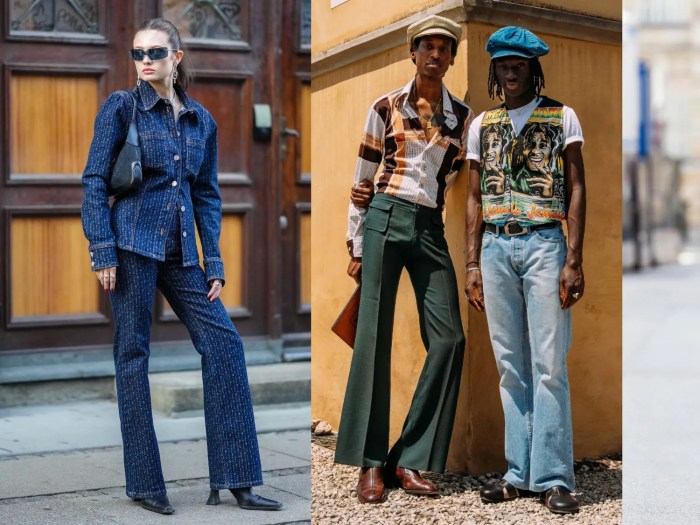
Seasonal fashion refers to the practice of adapting clothing styles and choices according to the specific characteristics of each season. This concept is integral to the fashion industry as it signifies the cyclical nature of trends that correspond to seasonal changes in climate, cultural events, and consumer preferences. The significance of seasonal fashion lies in its ability to reflect not only practical needs but also the evolving aesthetic values of society.Adapting wardrobe choices to seasonal changes ensures comfort and functionality while also maintaining style.
As temperatures fluctuate, so do the materials, colors, and silhouettes that are appropriate for each season. For instance, warmer months often call for lighter fabrics such as cotton and linen, while colder months typically favor heavier materials like wool and cashmere. This adaptation is crucial for personal expression, as it allows individuals to curate their personal style in alignment with the environment they inhabit.
Climate Influence on Fashion Trends
The interaction between climate and fashion trends is profound, dictating not only what is worn but also how styles evolve from year to year. Climate impacts trends through various factors, including temperature variations, precipitation patterns, and even geographical location. The following points highlight the key ways in which climate influences fashion:
- Fabric Choices: Different climates necessitate the use of specific fabrics. For example, breathable fabrics are essential in tropical climates, while insulated materials are favored in colder regions.
- Color Palettes: Seasonal color trends are often influenced by the natural surroundings. Spring may see pastels and light hues, while autumn typically embraces rich, earthy tones.
- Layering Techniques: In fluctuating climates, layering becomes essential. This not only allows for adaptability but also serves as a fashion statement, showcasing personal style through the combination of pieces.
- Footwear Selections: Seasonal conditions dictate appropriate footwear. Waterproof boots are essential for winter, while sandals are preferred during summer.
- Accessories: Items such as scarves, hats, and sunglasses not only serve a functional purpose but also enhance seasonal outfits, reflecting the essence of the time of year.
Fashion is a reflection of our environment, adapting to the seasonal nuances that shape our lives.
By understanding the interplay between climate and fashion trends, individuals can make informed choices that not only enhance their personal style but also ensure their comfort and readiness for the demands of each season.
Spring Fashion Trends
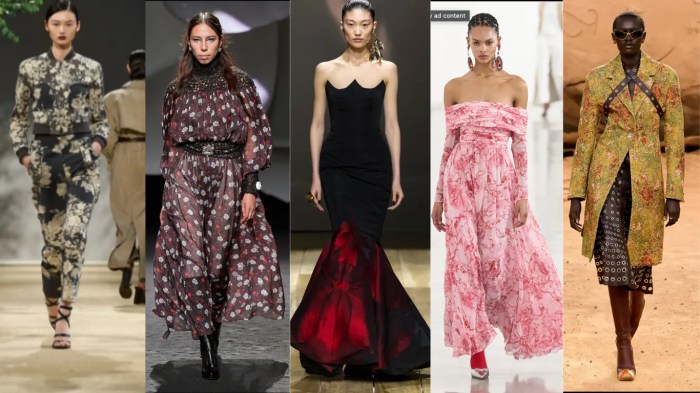
As winter fades away and nature blooms, spring fashion trends emerge with a vibrant palette and fresh styles. This season is characterized by a playful blend of colors, patterns, and materials that reflect the spirit of renewal. Designers and fashion enthusiasts alike look forward to these trends as they set the tone for the months ahead.
Key Colors and Patterns in Spring Fashion
Spring fashion is often heralded by a symphony of colors that evoke feelings of joy and optimism. The following colors are particularly prominent this season:
- Pastels: Soft hues such as lavender, mint green, and pale yellow dominate the runway, embodying the essence of spring.
- Brights: Vibrant shades like fuchsia, turquoise, and sunny orange are also favored, adding a lively touch to both casual and formal wear.
- Neutrals: Earthy tones like beige, cream, and soft grays provide a grounding contrast to the brighter colors and are ideal for layering.
Patterns in spring collections often reflect the natural world, with florals and botanical motifs leading the way. These designs are not only visually appealing but also celebrate the season’s blossoming landscape.
Popular Fabrics and Materials in Spring Collections
The choice of fabrics plays a crucial role in defining spring fashion trends. Designers typically favor lightweight and breathable materials to accommodate the warmer weather. Key fabrics include:
- Cotton: Known for its comfort and versatility, cotton is a staple in spring collections, making it ideal for casual wear.
- Linen: This natural fiber is celebrated for its breathability and textured finish, perfect for stylish yet comfortable outfits.
- Satin: Often seen in dresses and blouses, satin adds a touch of elegance and sophistication, making it a favorite choice for evening wear.
The combination of these fabrics with the season’s colors and patterns creates a fresh look that resonates with fashion-forward individuals.
The Impact of Fashion Shows on Spring Trends
Fashion shows serve as a key platform for showcasing new collections and influencing consumer preferences. They play a significant role in the emergence of spring trends by introducing innovative designs and highlighting how different elements can be combined.
Fashion shows not only set the stage for upcoming styles but also inspire designers and brands worldwide to adopt similar trends.
Major events such as New York Fashion Week and Paris Fashion Week are pivotal in determining which styles will capture the public’s imagination. The use of social media further amplifies this impact, allowing trends to spread rapidly and reach a global audience. Designers often experiment with bold colors, unique patterns, and innovative cuts during these shows, effectively setting the tone for retail collections that follow.
In conclusion, spring fashion trends are defined by a colorful palette, diverse fabrics, and the influential role of fashion shows, making this season an exciting time for both designers and consumers alike.
Summer Fashion Trends
As the temperatures rise and the days lengthen, summer fashion becomes an exciting opportunity to express personal style through vibrant colors and lightweight fabrics. The essence of summer fashion is rooted in comfort, versatility, and flair, allowing individuals to embrace the season’s warmth while staying fashionable. Understanding the key trends, essential pieces, and styling tips can transform any wardrobe into a summer-ready collection.
Summer Wardrobe Essentials
A well-curated summer wardrobe comprises essential pieces that not only reflect the season’s spirit but also offer versatility for various occasions. The following items are must-haves for any summer collection:
- Lightweight Maxi Dresses: Flowing maxi dresses in breathable fabrics are perfect for both casual outings and formal events.
- Shorts: Tailored shorts in cotton or linen provide comfort while maintaining a polished look.
- Tank Tops and T-Shirts: Basic tank tops and graphic tees serve as versatile layering pieces for warm days.
- Sandals: Stylish sandals, whether flat or heeled, complete summer outfits and provide comfort for all-day wear.
- Swimwear: A chic swimsuit is essential for beach days or poolside lounging, with options ranging from one-pieces to bikinis.
- Lightweight Jackets: A denim or lightweight bomber jacket is ideal for cooler evenings or unexpected summer rain.
Popular Accessories for Summer Outfits
Accessories can elevate summer outfits, adding a personal touch and enhancing the overall look. The following accessories are particularly popular during the summer months:
- Sunglasses: Oversized or colorful frames not only protect the eyes but also add a stylish flair to any ensemble.
- Wide-Brimmed Hats: Perfect for sun protection, wide-brimmed hats are both functional and fashionable.
- Statement Jewelry: Bold earrings or layered necklaces can add a pop of personality to even the simplest of outfits.
- Beach Bags: Spacious, stylish totes made from straw or canvas are practical for carrying essentials to the beach or park.
- Light Scarves: A lightweight scarf can serve multiple purposes, from sun protection to a stylish accessory.
Styling Summer Clothing for Various Occasions, Seasonal Fashion Trends
Styling summer clothing for different occasions requires thoughtful pairing of outfits with the right fit and accessories. Here are some insights on how to achieve this:
- Casual Day Out: Pair a lightweight maxi dress with flat sandals and a crossbody bag for a relaxed yet put-together look.
- Beach Day: A vibrant swimsuit under a sheer cover-up, complemented with flip-flops and a wide-brimmed hat, creates the perfect beach attire.
- Outdoor Parties: Opt for tailored shorts and a crisp white shirt, accessorized with statement jewelry and wedges for an elegant summer party look.
- Evening Cocktail: A fitted sundress with strappy heels, paired with a clutch and bold accessories, is ideal for summer soirées.
- Weekend Brunch: Combine a tank top with high-waisted shorts and stylish sandals, topped off with oversized sunglasses for a chic brunch outfit.
Fall Fashion Trends
As the leaves begin to change and the temperatures drop, fall fashion offers a unique opportunity to showcase personal style through layering and statement pieces. This season is characterized by rich colors, textures, and the embrace of versatility in clothing choices, allowing individuals to express their creativity while staying comfortable and warm.Layering clothing has made a significant resurgence this fall, appealing to fashion enthusiasts seeking both practicality and style.
The art of layering not only adds depth to outfits but also allows for adaptability in fluctuating temperatures, making it a perfect choice for the transitional season. Combining various fabrics such as knits, denim, and lightweight outerwear creates a dynamic look that is both functional and fashionable.
Trending Statement Pieces
This fall, several statement pieces have emerged as essential components in fashion-forward wardrobes. These pieces serve as focal points for outfits, enhancing overall style while reflecting current trends. Incorporating these items can elevate any ensemble and showcase individuality.The following statement pieces are particularly noteworthy this season:
- Oversized Blazers: These versatile jackets can be dressed up for formal occasions or paired down for casual outings, providing a chic silhouette that enhances any outfit.
- Chunky Knit Sweaters: Perfect for layering, chunky knits not only keep you warm but also add texture and dimension to your look.
- Leather Trousers: Offering a sleek and edgy aesthetic, leather trousers can be styled with a variety of tops, making them a staple in fall wardrobes.
- Bold Scarves: A large, colorful scarf can serve as both a functional accessory and a vibrant statement piece, drawing attention and adding flair to any outfit.
- Combat Boots: This practical footwear choice has become a stylish staple, pairing well with dresses, skirts, and trousers, contributing to a fashionable edge.
Cultural events significantly influence fall fashion choices, as designers often draw inspiration from art, music, and social movements. This year, a notable connection can be observed between the resurgence of 1970s aesthetics in popular culture and the styles seen on runways. The celebration of vintage-inspired looks, characterized by bold patterns and retro silhouettes, has created a nostalgic wave that resonates with many fashion enthusiasts.Moreover, fashion weeks across major cities have highlighted diverse influences, from eco-conscious designs inspired by sustainable practices to collections that pay homage to global cultures.
Designers are increasingly mindful of representation and storytelling in their collections, leading to a richer, more inclusive approach to fall fashion.
Fashion is an expression of individuality, and this fall, the interplay of layering, bold statement pieces, and cultural influences allows each person to showcase their unique style.
In the pursuit of a healthier lifestyle, many individuals explore effective solutions such as Weight Loss Programs that cater to their specific needs. These programs offer structured guidance, nutritional advice, and support to achieve sustainable weight loss. By committing to such initiatives, participants can enhance their physical fitness while fostering a healthier relationship with food.
Winter Fashion Trends
As the temperature drops and the first signs of frost appear, winter fashion emerges with a unique blend of warmth and style. This season, the focus shifts towards versatile outerwear, luxurious fabrics, and sustainable practices that elevate wardrobes while caring for the environment. Embracing winter fashion means adopting trends that not only keep you warm but also make a statement about personal style and ethical responsibility.Key elements of winter fashion include outerwear and boots that are both functional and stylish.
When selecting winter attire, it is crucial to choose pieces that will provide insulation without sacrificing aesthetics. Layers remain essential, allowing individuals to adapt to fluctuating temperatures while maintaining a fashionable appearance.
Outerwear and Boots
Outerwear is the cornerstone of winter wardrobes, serving as both a protective layer and a fashion statement. Key styles making waves this winter include:
- Puffer Jackets: Often oversized and available in a variety of bold colors, puffer jackets are perfect for staying warm while showcasing personality.
- Wool Coats: Classic and elegant, wool coats in tailored cuts can effortlessly elevate any outfit, making them suitable for both casual and formal occasions.
- Layered Capes: Offering a chic alternative to traditional coats, layered capes provide additional warmth and can be styled in numerous ways.
When it comes to footwear, winter boots are essential for both comfort and style. Look for:
- Waterproof Materials: Boots made from waterproof leather or synthetic materials ensure dry feet during snowy or rainy days.
- Chunky Soles: Platforms and lug soles provide better traction on slippery surfaces, promoting safety without compromising style.
- Faux Fur Linings: For added warmth and comfort, boots lined with faux fur not only look chic but also ensure cozy toes.
Sustainability in Winter Fashion
Sustainability plays an increasingly important role in winter fashion trends, with many brands emphasizing eco-friendly practices. This shift is vital not only for the environment but also for consumers seeking to make responsible choices. Many winter garments are now made from recycled materials or sustainably sourced fabrics, reducing the fashion industry’s carbon footprint.
Styling Tips for Winter Fashion
To maintain both warmth and style during the colder months, consider the following styling tips:
- Layer Wisely: Invest in high-quality thermal wear as a base layer, which acts as insulation without bulkiness.
- Accessorize with Scarves and Hats: Using scarves and hats not only adds layers for warmth but also enhances your overall look.
- Play with Textures: Combining different materials such as wool, leather, and cashmere can create a visually interesting outfit.
“Fashion is about expressing individuality while being conscious of the world we live in.” – A contemporary perspective on winter fashion.
Influential Fashion Icons: Seasonal Fashion Trends
Fashion is not merely about clothing; it is a dynamic landscape shaped by the visions and creativity of influential fashion icons. These individuals—ranging from renowned designers to social media influencers—play a crucial role in dictating seasonal trends, setting aesthetics, and fostering new talents. Their ability to blend personal style with current societal moods creates a powerful ripple effect on the global fashion industry, making them instrumental in the evolution of seasonal styles.The impact of fashion influencers extends beyond mere aesthetics; they are pivotal in bridging the gap between designers and consumers, significantly influencing buying behaviors and trend adoption.
Through platforms like Instagram, TikTok, and personal blogs, influencers provide a direct line of communication with their audience, showcasing seasonal trends in real-time. This has resulted in a more democratized fashion landscape, where emerging designers can gain visibility and consumer engagement without traditional barriers.
Impact of Fashion Influencers on Seasonal Trends
The rise of fashion influencers has transformed how trends emerge and spread. Their unique ability to showcase seasonal fashion in relatable contexts allows consumers to envision themselves in these styles. The following points highlight the substantial impact of fashion influencers:
- Rapid Dissemination of Trends: Influencers can quickly introduce and popularize new styles, often leading to viral fashion moments.
- Diverse Representation: Influencers from varied backgrounds bring diverse perspectives to fashion, promoting inclusivity and broadening the appeal of seasonal trends.
- Real-time Engagement: Direct interaction with followers allows influencers to gauge consumer preferences and adjust their recommendations accordingly.
Famous Designers and Their Contributions to Seasonal Fashion
Several iconic designers have made notable contributions to seasonal fashion, revolutionizing how styles are perceived and adopted. Their innovative designs often set the tone for what becomes trendy each season. Prominent designers include:
- Coco Chanel: Pioneered the concept of casual chic and introduced the iconic Chanel No. 5 fragrance, which remains a symbol of luxury and sophistication.
- Christian Dior: Revolutionized women’s fashion with the “New Look,” emphasizing femininity and luxury in post-war fashion.
- Alexander McQueen: Known for his avant-garde designs, McQueen’s collections often reflect deeper narratives, challenging traditional fashion norms.
Emerging Designers in Seasonal Fashion Scene
The fashion landscape is also being reshaped by emerging designers who are making waves with fresh concepts and innovative approaches. These new talents often bring unique cultural backgrounds and perspectives that resonate with modern consumers. A few noteworthy emerging designers include:
- Peter Do: Recognized for his minimalist yet sophisticated designs, Do is quickly gaining traction in the luxury market.
- Christopher John Rogers: His vibrant colors and bold silhouettes have garnered attention, making him a favorite for red carpet looks.
- Marine Serre: Known for her eco-conscious approach and distinct use of upcycled materials, Serre’s designs reflect a growing demand for sustainability in fashion.
“Fashion is not just about what you wear; it’s about how you express yourself to the world.” – Anonymous
Regional Variations in Seasonal Fashion
Fashion is not a monolithic entity; it varies significantly across different regions of the world, especially as seasons change. These variations reflect the unique cultural, historical, and climatic contexts of each region, influencing what people wear during specific times of the year. Understanding these regional differences provides insight into how local customs and environmental factors shape fashion trends.Local climate plays a crucial role in determining seasonal fashion choices, as it directly influences the fabrics, styles, and accessories that are appropriate for different weather conditions.
For example, while winter in the Arctic necessitates heavy, insulated clothing, summer in the Mediterranean calls for light, airy fabrics. Below are examples of traditional clothing styles that embody seasonal trends across various cultures:
Traditional Clothing Representing Seasonal Trends
Understanding traditional clothing styles helps highlight the diverse ways cultures adapt their fashion to seasonal changes. The following examples illustrate how different regions approach seasonal fashion:
- Kimonos in Japan: During the spring, the traditional kimono, often made from silk, is adorned with floral patterns that reflect the cherry blossoms. This garment symbolizes renewal and is widely worn during hanami, the cherry blossom festival.
- Dirndls and Lederhosen in Germany: In Bavaria, the dirndl and lederhosen are popular during the summer months, especially at Oktoberfest. These outfits, made from lightweight materials, celebrate local heritage and are worn amidst festive celebrations.
- Sari in India: In the Indian subcontinent, the sari is commonly worn in different styles depending on the season. During the monsoon season, lighter cotton saris are preferred to combat humidity, whereas silk saris are favored during weddings in the winter for their warmth and elegance.
- Huipil in Mexico: Traditionally worn by indigenous women, the huipil is a hand-woven garment that varies in style and fabric according to the season. In cooler months, thicker textiles are used, while lighter fabrics are chosen for the warmer summer months.
The interplay of local climate with these traditional garments illustrates how fashion adapts to environmental conditions while preserving cultural identity. The materials chosen, such as wool for warmth or cotton for breathability, are also a reflection of practicality in the face of seasonal changes.
Regional fashion trends are not just about aesthetics; they encompass the very essence of culture, climate, and identity.
Future of Seasonal Fashion
The future of seasonal fashion is being shaped by a confluence of emerging technologies, evolving social norms, and the pressing realities of climate change. These factors not only redefine how fashion is designed and consumed but also reflect the values and needs of a new generation of consumers. As the industry adapts, understanding these changes is essential for both creators and consumers alike.
Emerging Technologies in Fashion
The integration of advanced technologies is revolutionizing the fashion landscape, enhancing both the creative process and consumer experience. Technologies such as 3D printing, artificial intelligence (AI), and augmented reality (AR) are at the forefront of this transformation.
3D Printing
This technology allows designers to create intricate patterns and customized clothing that reduce waste and promote sustainability. Brands like Adidas are already utilizing 3D printing for shoe production, enabling on-demand manufacturing.
Sleep therapy is an essential approach for individuals seeking to improve their sleep quality and overall well-being. By integrating techniques from Sleep Therapy , individuals can experience profound changes in their sleep patterns, leading to better health outcomes. This holistic method focuses on addressing the root causes of sleep disturbances, promoting a restful night and rejuvenation for the day ahead.
Artificial Intelligence
AI is being used to predict fashion trends by analyzing consumer data and social media patterns. Companies like Stitch Fix leverage AI to provide personalized styling recommendations, improving customer satisfaction and reducing return rates.
Augmented Reality
AR is enhancing the shopping experience by allowing consumers to virtually try on clothes before purchase. Apps like Zeekit provide interactive fitting room experiences, bridging the gap between online and offline shopping.
The use of technology in fashion not only streamlines production but also aligns with the sustainability goals of the industry.
Trend Towards Gender-Neutral Clothing
The shift towards gender-neutral clothing is gaining momentum, reflecting broader societal changes towards inclusivity and equality. This trend is evident in collections from major fashion houses as well as independent designers.
Inclusive Collections
Brands like Gucci and Telfar are releasing unisex lines that appeal to consumers regardless of gender. This approach caters to a growing demographic that values self-expression over traditional gender norms.
Consumer Demand
A survey from McKinsey & Company indicated that nearly 60% of Gen Z consumers are more likely to engage with brands that offer gender-neutral options, pushing retailers to adapt their offerings accordingly.
Gender-neutral fashion eliminates barriers, allowing individuals to dress in a way that feels authentic to their identity.
Impact of Climate Change on Fashion Trends
The fashion industry is increasingly acknowledging the impacts of climate change, prompting a shift towards sustainable practices and eco-friendly materials. Brands are reevaluating their production methods and supply chains to mitigate their environmental footprint.
Sustainable Materials
Innovations in fabric production, such as bio-fabricated textiles and recycled materials, are becoming more prevalent. For instance, brands like Stella McCartney are pioneering the use of mycelium leather, a sustainable alternative to traditional leather.
Seasonal Adaptation
As global temperatures rise, seasonal fashion trends may also evolve. Traditional seasonal collections may be replaced by more versatile and climate-appropriate clothing, designed for year-round wear.
Adapting fashion to the realities of climate change is not only necessary for sustainability but also reflects a commitment to future generations.
Final Conclusion
In summary, the journey through Seasonal Fashion Trends reveals not only the aesthetic pleasures of each season but also the deeper cultural and environmental implications that shape our clothing choices. As we embrace these trends, we also foster a greater appreciation for the art of fashion and its ability to adapt, evolve, and express individuality through time.
FAQ Overview
What are the key colors for this spring season?
This spring, pastel shades along with vibrant floral colors are trending, creating a fresh and lively palette.
How can I style summer outfits for the office?
Opt for lightweight blouses paired with tailored shorts or midi skirts, complemented by professional accessories to maintain a polished look.
What are some sustainable fabric options for winter fashion?
Recycled polyester, organic cotton, and Tencel are excellent sustainable choices that offer warmth and style without compromising the environment.
How do fashion influencers impact seasonal trends?
Fashion influencers play a significant role by showcasing current trends on social media, thus shaping public perception and encouraging wider adoption.
What is the future of gender-neutral clothing in seasonal trends?
The future of gender-neutral clothing is bright, with many designers focusing on inclusive styles that challenge traditional gender norms in fashion.