Reiki Healing Discover the Art of Energy Therapy
Reiki Healing is an ancient practice that focuses on the transfer of universal life force energy to promote healing and well-being. Originating from Japan in the early 20th century, Reiki has evolved into a respected form of alternative therapy, harnessing the power of energy to address physical, emotional, and spiritual ailments. Through a blend of hands-on techniques and distance healing methods, practitioners facilitate relaxation and restore balance, making Reiki accessible to anyone seeking holistic health solutions.
This comprehensive exploration will delve into the principles, benefits, and techniques of Reiki Healing, shining a light on its unique ability to transform lives through energy awareness and healing practices.
Introduction to Reiki Healing
Reiki healing is an ancient practice that promotes relaxation and healing through the transfer of energy. Originating in Japan, it has gained worldwide recognition for its holistic approach to well-being. Practitioners utilize gentle touch or distance healing techniques to channel energy, aiming to restore balance within the body and mind, ultimately fostering a sense of peace and tranquility.The origins of Reiki can be traced back to the early 20th century when Mikao Usui, a Japanese Buddhist, developed the practice.
His journey began after a profound spiritual experience during a 21-day meditation retreat on Mount Kurama. According to historical accounts, Usui received insights that led him to discover the healing properties of energy. He subsequently founded the Usui Reiki Ryoho school, which laid the foundation for modern Reiki practices.
Fundamental Principles of Reiki Therapy
Reiki therapy is grounded in several core principles that guide practitioners in their sessions. These principles not only focus on the physical aspects of healing but also encompass emotional and spiritual dimensions. Understanding these principles is essential for both practitioners and recipients of Reiki.
- Universal Life Force Energy: Reiki is based on the belief that a universal life force energy flows through all living beings. This energy is vital for overall health and well-being.
- Healing Through Intention: The intention of the practitioner plays a crucial role in the effectiveness of the healing process. Focused intention can enhance the flow of energy and promote healing.
- Holistic Approach: Reiki addresses the whole person—body, mind, and spirit—rather than merely treating specific symptoms or ailments.
- Self-Healing: Reiki empowers individuals to tap into their innate healing abilities, encouraging personal growth and self-awareness.
Different Styles and Practices of Reiki
Numerous styles of Reiki have evolved since its inception, each with unique characteristics and techniques. Understanding these different practices enables individuals to choose a style that resonates with their personal healing journeys.
- Usui Reiki: The original form developed by Mikao Usui, focusing on hands-on healing and the channeling of energy through the practitioner’s hands.
- Karuna Reiki: Founded by William Lee Rand, this style incorporates additional symbols and techniques aimed at promoting deeper healing and compassion.
- Angel Reiki: This practice integrates the guidance of angels and other spiritual beings, emphasizing a connection with divine energy for healing purposes.
- Crystal Reiki: Involves the use of crystals and gemstones to enhance the healing energy and address specific issues associated with the recipient’s condition.
“Reiki is a journey of self-discovery and universal love, bridging the gap between the physical and spiritual realms.”
Benefits of Reiki Healing
Reiki Healing offers a plethora of physical, emotional, and spiritual benefits that contribute to overall well-being. This gentle, non-invasive therapy focuses on energy healing, promoting relaxation and encouraging the body’s innate ability to heal itself. By channeling energy through the practitioner to the recipient, Reiki addresses various aspects of health and wellness.The benefits of Reiki Healing extend across multiple dimensions of health.
Physically, it helps relieve pain, alleviates stress, and enhances the body’s immune response. Emotionally, individuals report experiencing reduced anxiety and depression, leading to a more balanced state of mind. Spiritually, Reiki promotes a sense of inner peace and connection to oneself, often resulting in profound personal insights.
Physical, Emotional, and Spiritual Benefits
The multifaceted benefits of Reiki can be categorized into three primary domains: physical, emotional, and spiritual. Each of these areas significantly impacts an individual’s quality of life.
- Physical Benefits: Reiki has been known to alleviate chronic pain, reduce instances of headaches, and enhance relaxation, leading to improved sleep quality. Individuals undergoing surgery often report shorter recovery times and reduced side effects from medication.
- Emotional Benefits: Many individuals experience decreased levels of anxiety and stress after a Reiki session. The calming effect of Reiki helps in emotional regulation, fostering a sense of well-being and stability. Testimonials frequently highlight a renewed sense of purpose and emotional clarity following treatments.
- Spiritual Benefits: Reiki encourages personal growth and spiritual awakening. Recipients often find themselves more in tune with their inner selves and surroundings, cultivating a deeper understanding of their life’s purpose and enhancing their intuitive abilities.
Testimonials and Experiences
Numerous individuals have shared their transformative experiences with Reiki Healing, highlighting its profound impact on their lives. Many report that Reiki sessions have helped them overcome long-standing emotional issues and physical ailments.
“After just a few sessions of Reiki, I felt a sense of calm I hadn’t experienced in years. It opened my eyes to new possibilities for healing.”
Sarah M.
Another individual shared, “Reiki helped me manage my chronic pain in a way traditional medicine could not. It was a turning point in my healing journey.” These testimonials reflect the diverse experiences of recipients who have benefited from this holistic practice.
Comparison with Other Alternative Therapies
Reiki Healing can be compared to other alternative therapies such as acupuncture, massage therapy, and aromatherapy. While all these methods promote relaxation and wellness, Reiki uniquely focuses on energy flow without physical manipulation.Acupuncture targets specific points in the body to release blockages and promote healing, while massage therapy involves physical touch to relieve tension and enhance circulation. Aromatherapy uses essential oils to improve emotional and physical states through scent.
In contrast, Reiki involves the practitioner channeling healing energy without any direct physical contact, allowing for a deeply relaxing experience while fostering energy balance.In summary, Reiki Healing stands out as a gentle yet powerful alternative therapy, offering a comprehensive approach to enhancing physical, emotional, and spiritual health. The shared experiences of individuals and its distinct methodology underscore the growing popularity and effectiveness of Reiki as a holistic healing practice.
In today’s health-conscious world, organic supplements have gained significant attention for their potential to enhance overall well-being. These natural products, derived from plants and other organic sources, provide essential nutrients without harmful additives. Incorporating such supplements into your daily routine can lead to a healthier lifestyle. To further enrich your wellness journey, consider exploring various wellness retreats that offer immersive experiences aimed at rejuvenation and personal growth.
How Reiki Healing Works
Reiki healing centers on the concept of energy transfer, where the practitioner channels energy to promote healing and balance within the recipient. This ancient practice is rooted in the belief that everything is made up of energy, and that disruptions or blockages in this energy flow can lead to physical, emotional, or spiritual ailments. Understanding how Reiki works involves exploring the mechanisms of energy transfer, the practitioner’s role, and the significance of chakras and energy fields.
Energy Transfer in Reiki
In Reiki, energy is believed to flow from the practitioner’s hands to the recipient, facilitating healing and restoring physical and emotional balance. The practitioner acts as a conduit for universal life force energy, which is thought to be an intrinsic part of all living beings. This energy transfer occurs in several ways:
- Direct Contact: The practitioner places their hands lightly on or near the recipient’s body, enabling energy to flow directly where it is needed.
- Distance Healing: Reiki can be performed remotely, where the practitioner sends energy to a recipient who may not be physically present, emphasizing the non-local nature of energy.
- Intentional Focus: The practitioner’s intention plays a crucial role in directing the energy to the areas that require healing, thus enhancing the effectiveness of the treatment.
The essence of this energy transfer is captured in the belief that it can help to clear blockages, promote relaxation, and facilitate the body’s natural healing processes.
Role of the Practitioner
The practitioner in Reiki serves not only as a facilitator of energy but also as a guide for the recipient’s healing journey. Their role encompasses various responsibilities and functions:
- Creating a Safe Space: The practitioner establishes a calming and supportive environment conducive to healing.
- Intuitive Understanding: Practitioners often rely on their intuition to sense areas of imbalance or tension within the recipient’s energy field.
- Emotional Support: Many practitioners provide emotional reassurance, helping recipients feel comfortable and confident throughout the healing session.
- Continuous Learning: Reiki practitioners often engage in ongoing education to deepen their understanding of energy work and healing methodologies.
Through these functions, the practitioner enhances the overall effectiveness of the healing experience, ensuring that the recipient receives the utmost benefit from the session.
Significance of Chakras and Energy Fields
Chakras are key components in understanding how Reiki functions, as they are energy centers located throughout the body that influence physical, emotional, and spiritual well-being. There are seven primary chakras, each corresponding to different aspects of life, and they play a crucial role in maintaining the flow of energy. The significance of chakras and energy fields in Reiki is illustrated through the following points:
- Energy Centers: Each chakra is associated with specific organs, emotions, and spiritual functions, becoming focal points for energy healing.
- Balance and Harmony: Reiki aims to balance the chakras, ensuring that energy flows freely throughout the body, which can alleviate stress and promote overall health.
- Energy Fields: The human energy field, or aura, surrounds the body and reflects one’s emotional and physical state. Reiki practitioners may work on these fields to help clear any disruptions.
The interplay between chakras and energy fields creates a comprehensive understanding of how Reiki facilitates healing, allowing practitioners to target specific areas needing attention and aid in restoring harmony within the individual.
Reiki Healing Techniques
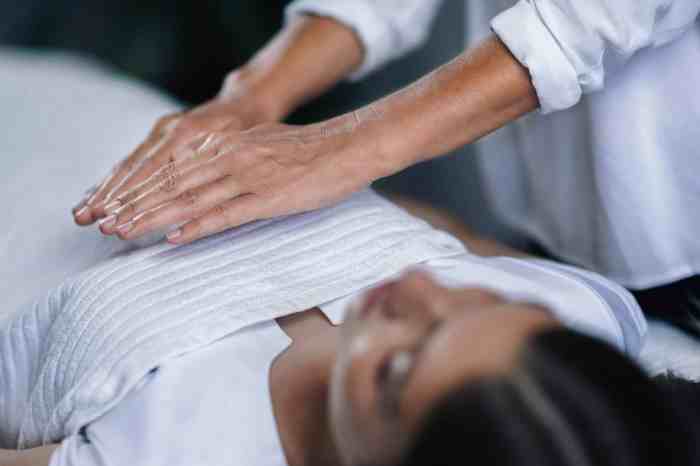
Reiki healing incorporates a variety of techniques that practitioners utilize to promote healing and balance within the body, mind, and spirit. These techniques can be tailored to suit individual needs, making Reiki a versatile approach to wellness.Several common Reiki techniques are widely practiced, each designed to facilitate energy flow and enhance relaxation. Understanding these techniques is essential for both practitioners and clients seeking to benefit from Reiki healing.
Common Reiki Techniques and Their Applications
The significance of employing various techniques lies in their ability to address specific issues, whether they are physical, emotional, or spiritual. Here is a list of some commonly used Reiki techniques along with their applications:
- Hand Positions: Specific placements of the hands on or near the body to direct energy flow, often used during sessions to promote healing in targeted areas.
- Distance Healing: A technique that allows practitioners to send healing energy across distances, suitable for clients unable to attend in person.
- Cleansing Rituals: Practices that involve smudging or using crystals to clear negative energy before a session, creating a conducive environment for healing.
- Chakra Balancing: Focuses on aligning and balancing the energy centers of the body to enhance overall well-being.
- Sound Healing: Incorporating sounds or vibrations, such as singing bowls, to deepen relaxation and facilitate energy movement.
Step-by-Step Guide for a Basic Reiki Session
Conducting a basic Reiki session involves a series of structured steps that ensure both the practitioner and client experience a calming and effective healing process. Below is a guide outlining these steps:
- Preparation: Create a serene environment, free from distractions, and ensure that the client feels comfortable. This may involve dimming lights and playing soft music.
- Grounding: The practitioner begins with grounding techniques to center themselves and establish a connection with the client.
- Intention Setting: Both the practitioner and client discuss intentions for the session, focusing on specific areas for healing.
- Hand Positions: The practitioner gently places their hands on or above the client’s body, following predetermined hand positions for energy transfer.
- Energy Flow: The practitioner remains attuned to the client’s needs, allowing energy to flow and adjusting hand positions as necessary.
- Closing: Gradually bring the session to a close by thanking the client and providing feedback or suggestions for further self-care.
Hand Positions Used in Reiki
Different hand positions are essential in Reiki as they correspond to various energy points in the body. Below is a table outlining some common hand positions used during a session, along with their purpose:
| Hand Position | Location | Purpose |
|---|---|---|
| Crown Chakra | Top of the head | Enhances spiritual connection and clarity. |
| Third Eye Chakra | Forehead, between the eyes | Promotes intuition and mental clarity. |
| Throat Chakra | Throat area | Encourages communication and self-expression. |
| Heart Chakra | Center of the chest | Facilitates emotional healing and compassion. |
| Solar Plexus Chakra | Upper abdomen | Boosts confidence and personal power. |
| Sacral Chakra | Lower abdomen | Supports creativity and emotional balance. |
| Root Chakra | Base of the spine | Establishes feelings of safety and grounding. |
Preparing for a Reiki Session: Reiki Healing
Prior to attending a Reiki session, it is essential for individuals to engage in preparation that enhances the overall experience. Proper preparation not only maximizes the benefits of the session but also helps create a calming and conducive environment for healing. This section Artikels the necessary steps and considerations for individuals preparing for their Reiki journey.
Steps to Take Before Attending a Reiki Session
To ensure that you are fully prepared for your Reiki session, consider the following steps:
- Arrive Hydrated: Drink plenty of water before your session to help facilitate energy flow throughout your body.
- Avoid Heavy Meals: Eating a light meal or snack is advisable, as heavy foods may cause discomfort during the session.
- Wear Comfortable Clothing: Opt for loose, comfortable clothing that allows for freedom of movement and relaxation.
- Limit Stimulants: Refrain from consuming caffeine or other stimulants prior to your session, as these may hinder relaxation.
- Set an Intention: Take a moment to reflect on what you hope to achieve during the session, whether it be relaxation, stress relief, or emotional healing.
Creating a Conducive Environment for Reiki Healing
The environment plays a pivotal role in enhancing the Reiki experience. Here are some tips for creating a nurturing atmosphere:
- Choose a Quiet Space: Ensure the room is free from distractions and noise to promote tranquility.
- Adjust Lighting: Soft, dim lighting or candles can create a calming ambiance that supports relaxation.
- Incorporate Soothing Scents: Essential oils or incense can enhance the sensory experience and promote a peaceful mindset.
- Maintain a Comfortable Temperature: Ensure the room is at a comfortable temperature, allowing you to relax without distraction.
- Utilize Soft Textures: Consider incorporating soft blankets or cushions to enhance physical comfort during the session.
What to Expect During a Typical Reiki Session, Reiki Healing
Understanding what to expect can help alleviate any apprehensions about the Reiki experience. During a typical session, clients remain fully clothed while lying on a treatment table. A Reiki practitioner may lightly place their hands on or near the client’s body, channeling universal energy. The session usually lasts between 60 to 90 minutes, during which clients may experience various sensations such as warmth, tingling, or deep relaxation.It is important to note that each individual may respond differently to the energy.
Some may feel an immediate sense of peace, while others may require multiple sessions to fully experience the benefits of Reiki. The practitioner may also offer additional guidance or recommendations based on the client’s unique needs, helping to deepen the healing process and support emotional and physical well-being.
“Reiki is a gentle way to relieve stress and promote healing, connecting the mind, body, and spirit.”
Self-Reiki Practices
Self-Reiki is a powerful tool that empowers individuals to harness the healing energy within themselves. By practicing self-Reiki, one can foster a deeper connection with their inner self, promote healing, and enhance overall well-being. This practice is beneficial not only for those who have received formal Reiki training but also for anyone looking to incorporate holistic healing into their daily routine.To effectively perform self-Reiki, individuals can adopt various techniques and utilize specific tools or aids that enhance their practice.
Regular engagement in self-Reiki is essential, as it helps to maintain emotional balance, reduce stress, and cultivate a sense of tranquility and mindfulness.
Steps to Perform Self-Reiki
Initiating a self-Reiki practice involves several key steps that ensure a successful experience. The following steps provide a structured approach to self-healing:
1. Create a Sacred Space
Find a quiet and comfortable location where you will not be disturbed. Arrange the space to foster relaxation, perhaps with soft lighting, calming scents, and a comfortable seating or lying position.
2. Set an Intention
Before beginning, take a moment to set a clear intention for your session. This could involve focusing on a specific area of your body or emotional state that requires healing.
3. Ground Yourself
Engage in grounding exercises, such as deep breathing, to connect with the present moment. Visualize roots extending from your feet into the earth, anchoring you and promoting stability.
4. Use Hand Positions
Begin by placing your hands on your body in specific positions, such as the crown of your head, heart, or abdomen. Allow the energy to flow through you and into the areas that need healing.
5. Visualize Healing Energy
As you hold each position, visualize healing light or energy entering your body. Imagine this energy dissolving any tension or discomfort.
6. Close the Session
Investing in wellness retreats is an excellent way to deepen your commitment to self-care and holistic health. These retreats often feature a variety of activities such as yoga, meditation, and nutritional workshops, all designed to promote relaxation and mental clarity. Complementing this experience with organic supplements can enhance your physical health, providing you with the necessary nutrients to support your wellness journey and ensure lasting benefits.
Once you feel complete, gently bring your awareness back to the room. Express gratitude for the healing you received and take a moment to reflect on your experience.
Tools and Aids to Enhance Self-Reiki Practice
Incorporating specific tools and aids can significantly enhance the self-Reiki experience. These tools can help focus energy and deepen the healing process. Consider the following items:
Crystals
Crystals such as amethyst, clear quartz, and rose quartz can amplify Reiki energy. Placing these crystals on or near the body during a session can aid in healing and enhance intentions set during practice.
Essential Oils
Utilizing essential oils like lavender or frankincense can create a calming environment. Diffusing these scents or applying them to pulse points can further enhance relaxation and openness to healing energy.
Sound Healing Instruments
Instruments such as singing bowls or tuning forks can produce vibrational frequencies that facilitate energy flow. The sound can create a soothing backdrop that elevates the overall experience of self-Reiki.
Meditation Guides
Using guided meditations specifically focused on Reiki can aid in entering a deeper state of relaxation and connection. These resources provide structured support and can enhance the effectiveness of self-Reiki practices.
Importance of Regular Self-Reiki for Personal Well-Being
Engaging in regular self-Reiki practice is crucial for sustaining emotional and physical health. Consistency in practice fosters a strong connection to one’s inner self, enabling ongoing healing and personal growth. The following points highlight the importance of maintaining a regular self-Reiki routine:
Stress Reduction
Regular practice helps to mitigate stress levels, allowing individuals to navigate daily challenges with greater resilience and calmness.
Emotional Balance
Self-Reiki promotes emotional healing, enabling individuals to process feelings more effectively and maintain emotional stability.
Enhanced Intuition
Consistent self-Reiki encourages a heightened sense of intuition and awareness, allowing individuals to better respond to their needs and desires.
Empowerment
Practicing self-Reiki empowers individuals to take control of their healing journey, fostering a sense of agency and self-awareness.By integrating self-Reiki into daily life, individuals can cultivate a holistic approach to their well-being, nurturing both body and spirit.
Reiki Healing for Specific Conditions
Reiki healing has garnered attention for its ability to support a wide range of health conditions. While it is not a replacement for traditional medical treatments, many individuals have found it to be a beneficial complementary therapy. Understanding which specific conditions can be addressed with Reiki provides insight into its potential healing capabilities and applications in holistic health.Reiki can assist in alleviating symptoms associated with various health conditions by promoting relaxation, reducing stress, and enhancing overall well-being.
As a non-invasive practice that involves channeling energy, Reiki can be particularly effective when combined with conventional medical approaches. Below are examples of specific health conditions where Reiki has shown promise.
Common Health Conditions Addressed with Reiki
Reiki has demonstrated effectiveness in managing a variety of health issues. The following list highlights some common conditions where Reiki can offer support:
- Anxiety and Stress: Reiki helps in calming the mind, reducing anxiety levels, and promoting a sense of relaxation.
- Chronic Pain: Many individuals with chronic pain conditions report relief after Reiki sessions, as it aids in reducing pain intensity.
- Sleep Disorders: Reiki can facilitate deeper relaxation, assisting those struggling with insomnia or other sleep-related issues.
- Digestive Disorders: The calming effects of Reiki can help alleviate symptoms related to gastrointestinal issues.
- Emotional Trauma: Reiki has been known to support emotional healing, providing comfort during difficult times.
Reiki as a Complementary Therapy
Reiki acts as a complementary therapy that can enhance the efficacy of traditional medical treatments. It is particularly beneficial in managing side effects associated with medical interventions. By fostering a state of relaxation and enhancing the body’s natural healing processes, Reiki can help patients cope with the emotional and physical toll of illness.This synergy between Reiki and conventional medicine underscores the importance of integrating holistic practices into standard healthcare.
For instance, patients undergoing chemotherapy have reported reduced nausea and anxiety after receiving Reiki, thereby improving their overall treatment experience.
Case Studies Demonstrating Reiki’s Effectiveness
Several case studies illustrate the potential of Reiki in alleviating specific ailments. Here are noteworthy examples:
1. Case Study
Chronic Pain Management A 52-year-old woman suffering from fibromyalgia participated in a series of Reiki sessions over three months. The patient reported a 50% reduction in pain levels and improved mobility, attributing her progress to the calming effects of Reiki.
2. Case Study
Anxiety Reduction A 30-year-old man experiencing severe anxiety underwent Reiki treatments alongside cognitive behavioral therapy. After eight sessions, he reported a significant decrease in anxiety episodes and a greater sense of calm that aided his therapeutic progress.
3. Case Study
Supportive Care in Cancer Treatment A cancer patient receiving chemotherapy experienced debilitating side effects, including nausea and fatigue. After receiving Reiki once a week during her treatment, she noted a marked improvement in her energy levels and a reduction in nausea, enhancing her quality of life during a challenging period.These case studies underscore the versatility of Reiki as a supportive therapy for various health conditions, reinforcing its role in holistic health care.
Myths and Misconceptions about Reiki
Reiki, a form of alternative healing, often encounters skepticism and misunderstanding. Many myths surrounding this practice can prevent individuals from exploring its potential benefits. Clarifying these misconceptions is essential not only for practitioners but also for those seeking relief through holistic means. The scientific perspective on Reiki has evolved over time, embracing a more evidence-based approach while acknowledging the subjective experiences of many individuals who have benefited from Reiki healing.
The legitimacy of Reiki is often a topic of debate, especially considering the varying levels of acceptance in the medical community. It is important to differentiate between misconceptions and factual information to foster a better understanding of Reiki practices.
Common Myths about Reiki
Several myths about Reiki can lead to confusion and distrust. Addressing these misconceptions helps in demystifying the practice and promotes a clearer understanding of its applications.
- Reiki is a form of faith healing: Unlike faith healing, which may rely on the belief in a higher power, Reiki operates on the principle of channeling energy, irrespective of one’s spiritual beliefs.
- Reiki is only for relaxation: While relaxation is a significant benefit, Reiki also aims to promote healing on physical, emotional, and spiritual levels, addressing a range of ailments.
- Only trained professionals can benefit from Reiki: Self-Reiki practices empower individuals to harness their own healing energy, making it accessible to anyone willing to learn.
- Reiki should replace traditional medicine: Reiki is best viewed as a complementary therapy that can support conventional medical treatment rather than a substitute for it.
- Reiki is a new age fad: Reiki has roots in ancient Japanese healing practices and has evolved over the last century, gaining recognition worldwide.
Scientific Research and Reiki
Scientific exploration into Reiki has sought to validate its efficacy. Although some studies yield mixed results, there is growing evidence suggesting that Reiki can have positive effects on stress reduction and pain management. Research often highlights the following points:
- Clinical studies have shown that patients receiving Reiki reported lower levels of anxiety and improved overall well-being.
- Some healthcare institutions now incorporate Reiki into pain management programs, recognizing its potential in enhancing patient care.
- Meta-analyses reveal that Reiki may aid in reducing symptoms of depression and facilitating emotional healing.
“Reiki is not about belief; it is about experience.” This statement encapsulates the essence of Reiki, emphasizing personal encounters over skepticism.
Factual Information about Reiki Practices
Understanding the factual basis of Reiki can help dispel myths and promote informed discussions about its use in healthcare settings.
- Reiki practitioners undergo extensive training, which includes learning to sense energy fields and channeling healing energy.
- Reiki sessions are non-invasive and can be conducted in person or remotely, showcasing its adaptability.
- Many individuals report enhanced clarity and emotional release after sessions, aligning with the holistic nature of the practice.
Finding a Reiki Practitioner
Selecting a qualified Reiki practitioner is crucial for a positive and effective healing experience. Practitioners vary in their training, experience, and specialties, making it important to find someone who aligns with your specific needs and preferences. Effective communication and understanding between you and the practitioner can significantly enhance the healing process.When searching for a suitable Reiki practitioner, consider the following guidelines that will help ensure you make an informed choice.
These points will assist you in evaluating potential practitioners and finding someone trustworthy and skilled.
Guidelines for Selecting a Qualified Reiki Practitioner
Finding the right Reiki practitioner involves careful consideration. Here are some important guidelines to keep in mind during your search:
- Verify Credentials: Ensure that the practitioner has completed a recognized Reiki training program and is certified.
- Experience Level: Consider the practitioner’s experience, particularly in the specific type of Reiki you are interested in.
- Specializations: Look for practitioners who specialize in areas that are relevant to your healing goals.
- Professionalism: Observe the practitioner’s professionalism regarding ethics, boundaries, and communication.
- Referrals: Seek recommendations from friends, family, or other health professionals who may have insights into reputable practitioners.
Checklist of Questions to Ask Potential Practitioners
Engaging in a conversation with a potential Reiki practitioner can provide valuable insight into their approach and compatibility with your needs. Here are key questions to consider:
- What is your training background and how long have you been practicing Reiki?
- What style of Reiki do you practice, and how does it differ from others?
- What is your approach to a typical Reiki session, and what can I expect during our time together?
- Do you have experience working with clients who have specific conditions that I might want to address?
- How do you ensure a safe and comfortable environment for your clients?
Resources for Finding Reputable Reiki Training Programs
For those interested in exploring Reiki further, whether as a practitioner or a client seeking deeper understanding, numerous resources are available. These resources offer information on accredited Reiki training programs, allowing individuals to pursue education in this healing art.
- International Center for Reiki Training: Provides a directory of certified practitioners and trainers worldwide.
- Reiki.org: Offers a wealth of information on Reiki, including training programs and directories of practitioners.
- The Reiki Alliance: A professional association that lists accredited Reiki masters and training programs.
- Local Wellness Centers: Many holistic health centers and wellness studios offer Reiki training and can provide information on qualified instructors.
“Choosing the right Reiki practitioner can greatly influence your healing journey; take the time to find someone who resonates with you.”
Final Conclusion
In summary, Reiki Healing offers a holistic approach to wellness, integrating the mind, body, and spirit through energy work. By understanding its foundations, techniques, and benefits, individuals can better appreciate how Reiki can enhance their health and well-being. Whether you are a seasoned practitioner or a curious newcomer, embracing the principles of Reiki fosters a deeper connection to oneself and promotes healing in various aspects of life.
Questions and Answers
What is the duration of a typical Reiki session?
A typical Reiki session lasts between 60 to 90 minutes.
Can anyone practice Reiki?
Yes, anyone can learn and practice Reiki with proper training.
Is Reiki safe for children?
Yes, Reiki is safe for children and can be beneficial for their emotional and physical well-being.
How often should one receive Reiki treatments?
The frequency of Reiki sessions varies by individual needs, but many find benefit in regular sessions, such as weekly or monthly.
Does Reiki replace traditional medical treatment?
No, Reiki is complementary and should not replace conventional medical care but can enhance overall treatment.