Mental Health Support Enhancing Well-Being Together
Mental Health Support is an essential component of fostering overall well-being, providing individuals with the necessary resources to navigate life’s challenges. It plays a pivotal role not only in enhancing personal health but also in boosting productivity and nurturing healthy interpersonal relationships. By prioritizing mental health support, we can create a more compassionate society that recognizes the integral connection between mental wellness and collective success.
With various forms of mental health support available, ranging from therapy to peer-led groups and innovative online platforms, it is crucial to understand how these resources can assist those in need. Despite the undeniable benefits, many still face barriers such as stigma and socioeconomic challenges that impede access to these vital services. Therefore, it is imperative to explore effective strategies and the role of technology in making mental health support more accessible and culturally sensitive.
Importance of Mental Health Support
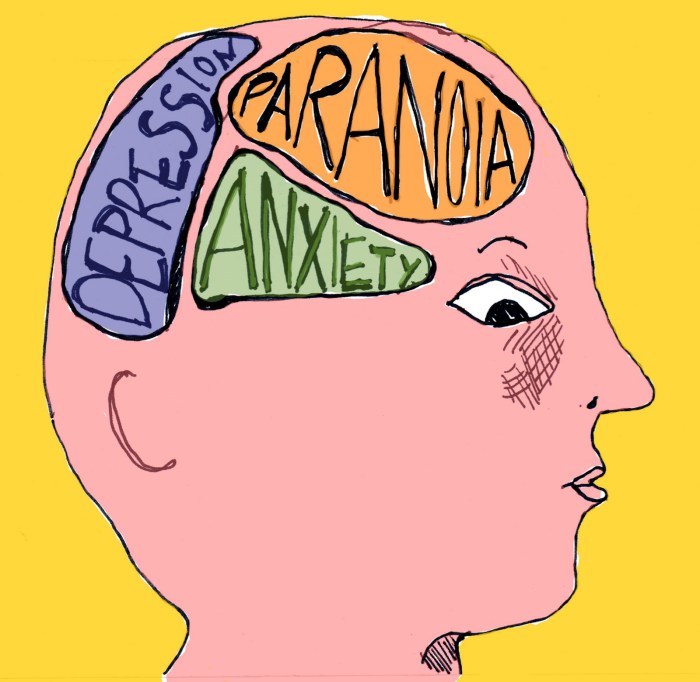
Mental health support plays a crucial role in ensuring overall well-being, functioning as a foundational pillar for a healthy society. Recognizing the significance of mental health enables individuals to lead fulfilling lives while navigating the challenges they encounter. It is essential for fostering resilience, emotional stability, and personal growth.The impact of mental health support extends far beyond personal well-being; it significantly influences productivity and interpersonal relationships.
Individuals who have access to mental health resources often demonstrate enhanced performance in their professional and personal lives. Support systems encourage open communication, reduce stigma, and facilitate understanding, which are vital components in nurturing healthy relationships.
Impact on Productivity and Interpersonal Relationships
The correlation between mental health support and productivity is well-documented. Individuals who receive adequate mental health care are more likely to engage effectively in their work environments. This productivity boost translates into beneficial outcomes for employers and employees alike. The benefits can be summarized as follows:
- Enhanced employee morale: Supportive environments foster a sense of belonging and loyalty, enhancing overall job satisfaction.
- Reduced absenteeism: Individuals with mental health support are less likely to take sick leave, leading to increased workforce stability.
- Improved focus and creativity: Mental well-being allows individuals to concentrate better and think innovatively, contributing to organizational success.
- Lower turnover rates: Organizations that prioritize mental health support tend to retain employees longer, reducing recruitment and training costs.
The influence of mental health support on interpersonal relationships cannot be understated. Healthy relationships are built on trust, communication, and understanding. When individuals are supported in their mental health journeys, they often exhibit better emotional regulation and empathy, which are essential for nurturing connections. Some of the key benefits include:
- Enhanced communication skills: Mental health support encourages open dialogue, allowing individuals to express their feelings and concerns more effectively.
- Stronger social networks: With improved mental health, individuals are more likely to engage in social activities and build lasting friendships.
- Conflict resolution: Those with better mental health are usually more equipped to handle conflicts constructively, leading to healthier interactions.
Societal Benefits of Prioritizing Mental Health Support
Investing in mental health support yields profound societal benefits, creating a more resilient and productive community. Societies that prioritize mental health experience significant advantages, which can be illustrated through various dimensions:
- Economic growth: By enhancing workforce productivity and reducing healthcare costs associated with untreated mental illnesses, societies can bolster their economies.
- Decreased crime rates: Access to mental health services can lead to lower incidences of crime and violence, fostering safer communities.
- Improved public health: Mental health support can reduce the prevalence of co-occurring physical health conditions, leading to a healthier population overall.
- Enhanced quality of life: Societies that focus on mental well-being create environments where individuals can thrive, contributing to overall happiness and life satisfaction.
“Prioritizing mental health support not only empowers individuals but also strengthens the fabric of society as a whole.”
Types of Mental Health Support
Mental health support encompasses a wide range of services designed to assist individuals in managing their mental health challenges. The diversity of options available ensures that individuals can find the most suitable form of support tailored to their unique needs and circumstances. Understanding the various types of mental health support is essential for making informed choices regarding personal mental health care.There are several forms of mental health support available, each serving distinct purposes and catering to different preferences.
The main categories include professional and peer support systems, with both offering valuable assistance. Professional support typically involves trained mental health providers such as psychologists, psychiatrists, or licensed therapists, while peer support comprises individuals with lived experiences who can provide understanding and empathy.
Professional vs. Peer Support Systems
Professional support systems are characterized by expertise and structured approaches to treatment. Therapists and counselors use evidence-based practices to help clients navigate their mental health issues. These professionals often work in various settings, including private practices, hospitals, and community health centers. In contrast, peer support systems foster camaraderie and shared experiences. Individuals participating in peer support groups or programs can relate to one another’s challenges, thereby creating an environment of mutual understanding.
Research indicates that peer support can enhance coping skills and provide hope, making it a valuable complement to professional care.
Individual Therapy, Group Therapy, and Online Therapy Platforms
Therapy can occur in different formats, each with unique benefits. Individual therapy is a one-on-one setting where clients can explore personal issues deeply and work on specific goals with a therapist. This intimate format allows for personalized attention and tailored strategies.Group therapy, on the other hand, involves a small group of individuals led by a therapist. This format encourages sharing experiences and learning from others, fostering a sense of community.
Participants often find comfort in realizing they are not alone in their struggles.With the rise of technology, online therapy platforms have emerged as an accessible option for many. These platforms allow individuals to connect with licensed therapists via video calls, chats, or messaging. Online therapy has proven particularly beneficial for those with mobility issues, those living in remote areas, or individuals who prefer the convenience of receiving support from home.
“The key to effective mental health support lies in understanding that each individual’s needs are unique, and thus, the support provided must be equally diverse.”
The choice between these therapy types might depend on individual preferences, availability of resources, and specific mental health challenges faced. Understanding these options empowers individuals to seek the most fitting mental health support for their needs.
Barriers to Accessing Mental Health Support
Accessing mental health support is essential for individuals experiencing psychological distress, yet numerous barriers often impede this process. Understanding these obstacles is crucial for fostering a more inclusive and supportive environment for mental health care. By addressing these barriers, we can encourage more individuals to seek the help they need and deserve.One of the most significant barriers to accessing mental health support is the stigma surrounding mental health issues.
This stigma can lead to feelings of shame and embarrassment, discouraging individuals from seeking help. People may fear judgment from peers or family, leading to a reluctance to discuss their mental health struggles openly. Additionally, those who have faced negative experiences in the past may be hesitant to reach out again, perpetuating a cycle of isolation and untreated mental health conditions.
Stigma Surrounding Mental Health
The stigma associated with mental health can manifest in various forms, affecting both individuals and communities. It is essential to recognize these manifestations to effectively combat them. The following points highlight the impact of stigma on help-seeking behavior:
- Social Isolation: Individuals with mental health issues may withdraw from social circles due to fear of being labeled or misunderstood, resulting in increased feelings of loneliness.
- Internalized Stigma: Many people internalize negative stereotypes about mental health, leading to self-blame and a belief that they are unworthy of help.
- Reduced Help-Seeking: Fear of stigma often prevents individuals from accessing professional help, as they may worry about confidentiality and the potential for their mental health status to be disclosed.
Addressing these aspects of stigma is vital in promoting a more supportive culture around mental health that encourages open conversations and seeking help.
Socioeconomic Factors Impacting Access
Socioeconomic factors can significantly hinder access to mental health resources, creating disparities in care. These factors include income level, education, and employment status, which all play a critical role in determining an individual’s ability to seek mental health support. The following considerations illustrate the impact of socioeconomic status on mental health access:
- Financial Constraints: The cost of therapy, medication, and other mental health services can be prohibitive for low-income individuals, leading to untreated mental health conditions.
- Insurance Limitations: Many people lack adequate health insurance coverage for mental health services, further complicating their ability to obtain necessary support.
- Lack of Awareness: Individuals from lower socioeconomic backgrounds may have limited access to information about mental health resources, resulting in a lack of knowledge about available support options.
Recognizing and addressing these socioeconomic barriers is essential for creating equitable access to mental health support for all individuals, regardless of their financial situation.
Effective Strategies for Mental Health Support
Creating a supportive environment for individuals struggling with mental health is essential for fostering resilience and promoting recovery. Effective strategies encompass individual efforts, community involvement, and systematic approaches that enhance mental well-being. By understanding these strategies, we can build a more inclusive society that prioritizes mental health.
Creating Supportive Environments
Establishing supportive environments involves fostering empathy and understanding within various settings, including homes, workplaces, and educational institutions. A culture of openness can significantly impact individuals’ willingness to seek help. Key methods to achieve this include:
- Promoting open conversations about mental health to reduce stigma and misconceptions.
- Implementing training programs for staff and peers to recognize signs of mental distress.
- Encouraging flexible work or school arrangements that accommodate mental health needs.
- Creating quiet spaces where individuals can take breaks and recharge.
Self-Care Techniques for Enhancing Mental Well-Being
Self-care is a vital component of mental health support, empowering individuals to take an active role in their well-being. Various techniques can be integrated into daily routines to promote mental health:
- Engaging in regular physical activity, which releases endorphins and improves mood.
- Practicing mindfulness and meditation to enhance self-awareness and reduce anxiety.
- Maintaining a balanced diet to support overall health and energy levels.
- Establishing a consistent sleep schedule to ensure restorative rest.
- Connecting with friends and family for emotional support and companionship.
- Setting aside time for hobbies and activities that bring joy and fulfillment.
The Role of Community in Providing Mental Health Support
Communities play a pivotal role in mental health support by creating networks of care and understanding. Effective community programs can help individuals access the resources they need. Examples of successful initiatives include:
- Community mental health clinics that offer affordable counseling services and support groups.
- Peer support groups that connect individuals with shared experiences, fostering a sense of belonging.
- Awareness campaigns that educate the public on mental health issues and available resources.
- Workshops and seminars that provide skills and strategies for managing stress and enhancing well-being.
“Communities that prioritize mental health create environments where individuals feel safe to express their challenges and seek help.”
Role of Technology in Mental Health Support

The integration of technology into mental health support has revolutionized the way individuals access care and resources. As mental health issues continue to gain prominence, innovative digital solutions play a crucial role in providing support, enhancing accessibility, and facilitating communication between patients and professionals.Mobile applications and online resources serve as valuable tools for individuals seeking mental health support. These digital platforms can offer a range of services, including self-assessment tools, therapy exercises, and guided mindfulness practices.
Additionally, they often provide educational content about various mental health conditions, which can empower users to better understand their experiences and needs. Furthermore, these resources can be accessed at any time, making it easier for individuals to seek help when it is most convenient for them.
Benefits and Drawbacks of Teletherapy Services
Teletherapy services represent a significant advancement in mental health support, allowing individuals to engage with therapists remotely. The benefits of teletherapy are numerous, including increased accessibility for those living in rural areas, reduced travel time, and the comfort of receiving care in familiar environments. Studies have shown that teletherapy can be as effective as in-person sessions for many individuals, particularly when it comes to cognitive-behavioral therapy.However, there are also drawbacks to consider.
Challenges such as technical issues, potential privacy concerns, and the lack of non-verbal cues in communication can hinder the effectiveness of teletherapy. Additionally, some individuals may prefer face-to-face interactions and may not feel as comfortable sharing personal experiences through a screen. It is essential for practitioners to address these concerns and provide adequate support to ensure that the therapeutic relationship remains strong.
Enhancing Outreach to Underserved Populations Using Technology
Leveraging technology to enhance outreach to underserved populations is vital for ensuring equitable access to mental health support. A strategic plan can encompass various components aimed at addressing barriers faced by these communities. Key elements of this plan may include:
1. Community Education Initiatives
Utilize social media platforms and local websites to disseminate information about mental health services and resources available, tailored to the cultural contexts of underserved populations.
2. Mobile Clinics with Telehealth Options
Establish mobile clinics equipped with telehealth technology to reach remote areas, allowing individuals to connect with mental health professionals without needing to travel long distances.
3. Collaboration with Local Organizations
Partner with local nonprofits, schools, and community organizations to promote mental health awareness and provide workshops on utilizing digital resources effectively.
4. Accessible Apps and Online Platforms
Develop user-friendly mental health applications that offer multilingual support and cultural relevance, ensuring that diverse populations can engage with the content comfortably.
5. Data-Driven Approaches
Employ data analytics to identify specific needs within underserved populations, tailoring outreach strategies to address these unique challenges effectively.By implementing these strategies, technology can serve as a catalyst for improving mental health support accessibility, ensuring that all individuals, regardless of their background, can receive the care they need.
Mental Health Support in the Workplace
The workplace plays a crucial role in the overall mental health of employees, as it can both contribute to and alleviate mental health challenges. Employers have a responsibility to foster an environment that promotes well-being and provides adequate support for mental health issues. This section discusses best practices for employers, effective employee assistance programs (EAPs), and training programs aimed at reducing stigma and enhancing mental health awareness within the workplace.
Best Practices for Employers to Support Mental Health
Employers can implement several effective strategies to create a supportive environment for mental health. These practices can enhance employee well-being and productivity. Key practices include:
- Open Communication: Encourage an open dialogue about mental health, allowing employees to share their concerns without fear of stigma.
- Flexible Work Arrangements: Offer flexible hours or remote work options to help employees balance work and personal responsibilities.
- Regular Mental Health Days: Provide designated days off specifically for mental health, allowing employees to recharge as needed.
- Access to Resources: Equip employees with information and resources regarding mental health services available in the workplace.
- Supportive Leadership: Train management to recognize signs of mental health struggles and provide support to affected employees.
Employee Assistance Programs (EAPs)
Employee Assistance Programs (EAPs) are designed to provide employees with confidential support for various issues, including mental health concerns. EAPs typically offer counseling services, crisis intervention, and resources for mental health treatment. The effectiveness of EAPs can be seen in their impact on employee well-being and organizational productivity. Studies show that companies implementing EAPs often experience reduced absenteeism and increased employee satisfaction.
For instance, a survey by the Employee Assistance Professional Association found that 80% of EAP users reported a positive impact on their work performance after utilizing these services.
Training Programs to Reduce Stigma and Promote Awareness
Training programs focused on mental health awareness can significantly influence workplace culture by reducing stigma and promoting understanding among employees. Effective training initiatives include:
- Mental Health First Aid: This training equips employees with the skills to identify and respond to mental health crises, fostering a supportive environment.
- Workshops on Stress Management: These workshops provide practical strategies for managing stress and building resilience, empowering employees in their personal and professional lives.
- Awareness Campaigns: Regular campaigns that highlight mental health issues and resources available can help normalize conversations around mental health.
- Leadership Training: Specific programs for leaders emphasize the importance of mental health, enabling them to be proactive in supporting their teams.
Cultural Considerations in Mental Health Support
Cultural backgrounds play a significant role in shaping individuals’ perceptions of mental health and the support systems available to them. Different cultures possess unique beliefs and attitudes towards mental health, which can influence how individuals recognize, express, and seek help for mental health issues. Understanding these cultural dimensions is crucial for mental health professionals to provide effective and respectful care.Cultural beliefs can affect the stigma associated with mental health, the language used to describe mental health conditions, and the preferred methods for seeking support.
For instance, in some cultures, mental health issues may be viewed as a sign of weakness or a personal failing, which discourages individuals from seeking help. Conversely, in other cultures, mental health may be approached more openly, with community support playing a crucial role in healing and recovery.
Influence of Cultural Backgrounds on Perceptions of Mental Health
Cultural backgrounds influence how individuals perceive mental health in various ways. Here are some key aspects to consider:
- Beliefs and Attitudes: Different cultures have distinct beliefs about the origins of mental health conditions, whether they are viewed as biological, psychological, or spiritual issues. This affects how individuals interpret their experiences and decide on treatment approaches.
- Stigma: Cultural stigma can create barriers to seeking help. In some cultures, mental illness may be associated with shame, leading individuals to avoid discussing their issues or seeking assistance.
- Communication Styles: The way individuals express distress can vary by culture. Some may use indirect communication or rely on non-verbal cues, which can be misunderstood by mental health providers who are unfamiliar with these norms.
Strategies for Providing Culturally Sensitive Mental Health Support
To effectively support individuals from diverse cultural backgrounds, mental health practitioners can adopt several strategies:
- Cultural Competency Training: Mental health professionals should engage in ongoing training to develop cultural awareness and sensitivity, allowing them to recognize and respect different cultural perspectives on mental health.
- Building Rapport: Establishing trust and rapport with clients is essential. Practitioners should take the time to understand their clients’ cultural backgrounds, values, and beliefs.
- Utilizing Culturally Relevant Resources: Providing materials and resources that reflect the cultural context of the individual can enhance understanding and engagement in the therapeutic process.
- Incorporating Family and Community: In many cultures, family support is crucial. Involving family members in treatment can alleviate stigma and enhance the support network for the individual.
Comparison of Mental Health Support Practices Across Different Cultures
Mental health support practices vary widely across cultures, reflecting differing beliefs and values. For example, in Western cultures, there is often an emphasis on individual therapy and medication, while many non-Western cultures may prioritize community and family involvement in the healing process.
| Culture | Support Practices | Key Attributes |
|---|---|---|
| Western Cultures | Individual therapy, medication | Focus on personal autonomy and clinical approaches. |
| East Asian Cultures | Family-based interventions, traditional medicine | Emphasis on collective well-being and harmony. |
| Indigenous Cultures | Holistic approaches, community rituals | Integration of spirituality and traditional practices. |
Understanding these cultural nuances helps to tailor mental health support to be more effective and respectful, fostering a therapeutic environment where individuals feel valued and understood.
Legal and Ethical Aspects of Mental Health Support

The legal and ethical dimensions of mental health support are essential in ensuring that individuals seeking help receive the necessary protection and care. Understanding these aspects is crucial for both mental health professionals and clients, as they navigate the complexities of mental health care within various legal frameworks and ethical guidelines.
Legal Rights of Individuals Seeking Mental Health Support
Individuals seeking mental health support possess a range of legal rights designed to protect their wellbeing and dignity. These rights help ensure that clients can access appropriate care without discrimination, coercion, or infringement of their privacy. Key components of these legal rights include:
- Right to Confidentiality: Clients have the right to have their personal information kept confidential, which is vital for establishing trust in the therapeutic relationship.
- Right to Informed Consent: Individuals must be informed about the treatment options available to them, including potential risks and benefits, allowing them to make educated decisions regarding their care.
- Right to Receive Care: Individuals are entitled to access mental health services without barriers, such as economic or geographic limitations, in accordance with national and regional health policies.
- Right to Non-Discrimination: Clients should receive equitable treatment regardless of their race, gender, age, disability, or sexual orientation, ensuring inclusivity and respect for diversity.
Ethical Considerations for Mental Health Professionals
Mental health professionals are bound by a set of ethical principles that guide their practice. Adherence to these principles is critical in fostering a safe and supportive environment for clients. Noteworthy ethical considerations include:
- Beneficence: Professionals are obliged to act in the best interest of their clients and to promote their wellbeing.
- Autonomy: Respecting the client’s autonomy involves acknowledging their right to make their own choices regarding treatment and care.
- Justice: Mental health professionals must ensure fair treatment and access to resources, advocating for the rights of marginalized populations.
- Integrity: Upholding integrity includes maintaining professional boundaries and avoiding conflicts of interest, ensuring that the therapeutic relationship remains focused on the client’s needs.
Policies Supporting Mental Health Initiatives in Communities
Various policies at the local, national, and international levels aim to enhance mental health support within communities. These policies often seek to improve access to services, raise awareness, and promote mental health education. Important initiatives include:
- National Mental Health Policies: Many countries have established comprehensive policies that Artikel strategies for promoting mental health, preventing mental illness, and ensuring the availability of services.
- Community-Based Programs: Local initiatives aim to provide accessible mental health services within communities, focusing on early intervention and support for individuals in need.
- Legislation on Mental Health Parity: Laws often mandate that mental health services should be covered equally to physical health services in insurance plans, reducing financial barriers to care.
- Public Awareness Campaigns: Efforts to destigmatize mental illness and educate the public about mental health resources are crucial for fostering supportive environments for individuals seeking help.
Last Recap
In summary, the discussion surrounding Mental Health Support highlights its significance in fostering individual and societal growth. By understanding the various forms of support available, addressing the barriers to access, and leveraging technology, we can create a more supportive environment for mental wellness. As we continue to advocate for mental health initiatives and promote awareness, we pave the way for a future where everyone feels empowered to seek the help they need.
FAQ Compilation
What is mental health support?
Mental health support refers to resources and services that help individuals manage their mental health, including therapy, support groups, and educational programs.
How can I find mental health support?
You can find mental health support through online directories, community health centers, or by consulting with a healthcare provider.
Are there any free mental health support options?
Yes, many organizations offer free support through hotlines, community services, and online platforms.
What should I expect from therapy?
In therapy, you can expect a safe space to discuss your feelings, learn coping strategies, and work towards personal goals with the guidance of a trained professional.
How can I support someone seeking mental health help?
You can support someone by listening non-judgmentally, encouraging them to seek help, and being there for them during their journey.