Massage Therapy Exploring Its Comprehensive Benefits
Massage Therapy stands as a holistic practice designed to enhance both physical and mental well-being. Through various techniques and approaches, it addresses not only muscle tension but also promotes relaxation and recovery, making it a valuable addition to overall health care.
The realm of massage therapy encompasses a wide range of techniques, each tailored to meet specific needs, from alleviating chronic pain to enhancing athletic performance. As we delve deeper, we uncover the tools, methods, and future trends that shape this essential practice.
Benefits of Massage Therapy
Massage therapy offers a multitude of physical and mental health benefits that significantly enhance overall well-being. It is recognized not only for relaxation but also for its therapeutic properties that promote healing, relieve stress, and improve the quality of life for individuals of all ages.The physical health benefits of massage therapy include relief from muscle tension, improved circulation, and enhanced flexibility.
When considering a healthier lifestyle, one should explore various Detox Programs that can enhance your overall health. These programs are designed to cleanse the body and eliminate harmful substances, thus preparing you for a more effective Diet Plan. Adopting both a structured diet and a detox routine paves the way for improved energy levels and long-lasting health benefits.
Additionally, it plays a critical role in pain management. Various studies have shown that massage therapy can reduce chronic pain conditions such as lower back pain, arthritis, and migraines. The mental health benefits are equally compelling, as regular massage therapy has been found to decrease anxiety levels, reduce symptoms of depression, and promote a sense of calm and relaxation.
Role of Massage Therapy in Pain Management
Massage therapy serves as an effective adjunct to traditional pain management techniques. By manipulating the soft tissues of the body, massage can help alleviate pain through various mechanisms such as:
- Reduction of Muscle Tension: Massage helps relax tight muscles, which can be a significant source of pain.
- Improved Blood Flow: Enhanced circulation delivers more oxygen and nutrients to the tissues, promoting healing and reducing inflammation.
- Activation of Pain Relief Hormones: The pressure applied during massage stimulates the release of endorphins, the body’s natural painkillers.
- Reduction of Stress Hormones: Massage therapy lowers cortisol levels, which can contribute to pain relief and promote relaxation.
Enhancement of Athletic Performance
Massage therapy is increasingly recognized for its benefits in enhancing athletic performance. Athletes incorporate massage into their training regimens for several reasons:
- Injury Prevention: Regular massage helps in maintaining flexibility and range of motion, which can prevent injuries.
- Faster Recovery: Massage reduces muscle soreness and accelerates the recovery process after intense workouts or competitions.
- Improved Performance: With enhanced blood flow and reduced muscle tension, athletes often experience improved performance levels in their respective sports.
- Enhanced Mental Clarity: Massage can clear the mind, helping athletes focus better during competitions.
In conclusion, the benefits of massage therapy extend far beyond simple relaxation. By addressing both physical and mental health, it plays a crucial role in pain management and the enhancement of athletic performance, ultimately leading to a better quality of life.
Types of Massage Techniques: Massage Therapy
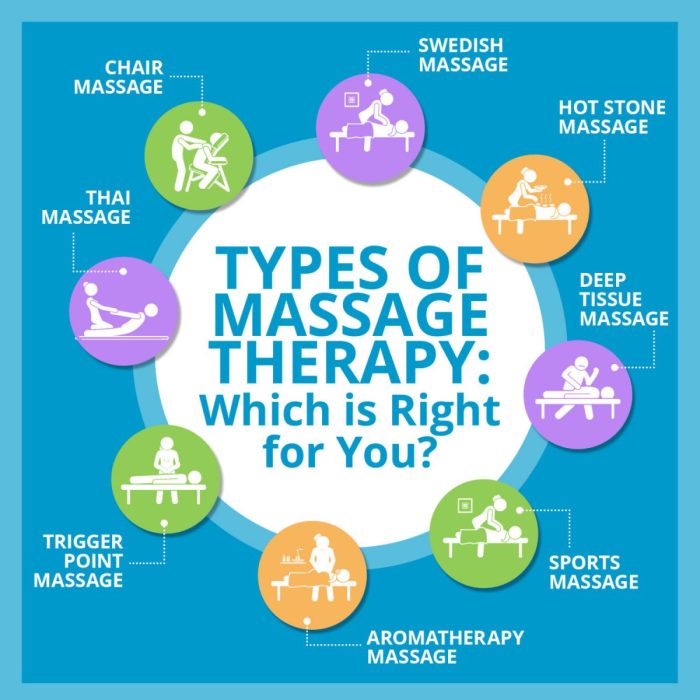
Massage therapy encompasses a variety of techniques, each tailored to meet specific needs and preferences. Understanding the different types can help individuals choose the right approach for their wellness journey. The most common massage techniques include Swedish, deep tissue, and sports massage, each with distinct methods and benefits.These techniques vary in their application and the results they achieve. Therapeutic massage focuses on addressing specific health issues, while relaxation massage aims to alleviate stress and promote overall well-being.
The choice between these approaches can greatly influence the effectiveness of massage therapy in supporting physical and mental health.
Embarking on a health journey often starts with carefully crafted Diet Plans that suit individual needs and lifestyles. These plans not only encourage balanced nutrition but also help in achieving long-term wellness. Complementing diet strategies, Detox Programs can be essential for flushing out toxins, revitalizing your body, and enhancing overall well-being. Together, they create a comprehensive approach to health that promotes vitality and energy.
Overview of Common Massage Techniques
The following massage techniques are widely practiced, each designed for particular objectives and audiences. The nuances in their methods contribute to different benefits for clients.
| Massage Technique | Benefits | Methods |
|---|---|---|
| Swedish Massage |
|
|
| Deep Tissue Massage |
|
|
| Sports Massage |
|
|
“Choosing the right massage technique can significantly impact your physical and emotional well-being.”
Differences Between Therapeutic and Relaxation Massage
Therapeutic massage is specifically designed to address health concerns, injury recovery, and chronic pain. It utilizes techniques tailored to treat specific conditions, often requiring a thorough assessment and targeted treatment plans. This approach may involve deeper pressure and more focused manipulation of affected areas.In contrast, relaxation massage prioritizes stress relief and overall relaxation. It employs lighter pressure and flowing strokes aimed at inducing calm and comfort.
This technique is less about targeting specific ailments and more about enhancing general well-being. Both forms of massage can lead to improved health outcomes, yet they cater to different needs and preferences.
Massage Therapy Tools and Equipment
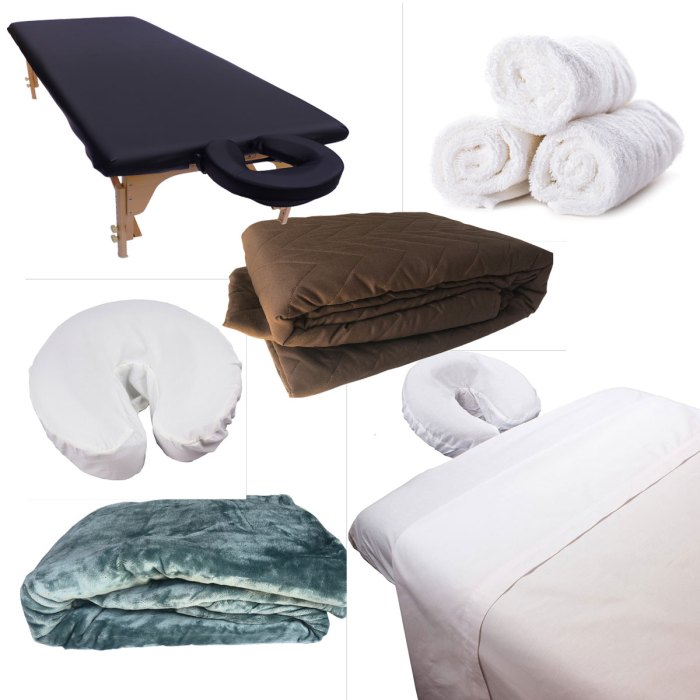
In the practice of massage therapy, the proper tools and equipment are essential to deliver effective treatments while ensuring client comfort and satisfaction. A well-equipped therapist not only enhances the experience but also promotes a professional atmosphere that instills confidence in clients. This section will explore the essential tools used in massage therapy, the significance of hygiene and sanitation, and tips for selecting the right equipment.
Essential Tools in Massage Therapy
A variety of tools are fundamental for a successful massage therapy practice. These tools aid in facilitating various techniques and enhancing the overall experience for both the therapist and the client. Key items include:
- Massage Tables: A quality massage table provides the necessary support and comfort for clients during sessions. Adjustable tables allow for various positions and ease of access for therapists.
- Oils and Lotions: The choice of oil or lotion can significantly impact the effectiveness of a massage. Natural oils like almond or coconut oil are popular for their skin benefits and glide, while lotions are often preferred for their ease of absorption.
- Hot Stones: Used in stone therapy, heated stones enhance relaxation and relieve muscle tension when placed on specific body areas.
- Massage Tools: Tools such as foam rollers, massage balls, and handheld devices can be used to target specific muscle groups and enhance self-massage techniques.
Importance of Hygiene and Sanitation
Maintaining high standards of hygiene and sanitation in massage therapy practices is critical for ensuring client safety and health. Proper sanitation measures help prevent the spread of infections and ensure a clean working environment. Key practices include:
- Regular Cleaning: All equipment, including tables, linens, and tools, should be cleaned and disinfected after each session to eliminate any pathogens.
- Personal Hygiene: Therapists should practice personal hygiene by washing hands before and after each session and wearing clean attire.
- Use of Disposable Items: Utilizing disposable items such as gloves, coverings, and sheets can further enhance hygiene and protect both the therapist and clients.
Choosing the Right Equipment
Selecting appropriate tools and equipment for a massage therapy practice requires careful consideration of several factors. The right equipment can significantly improve the quality of care provided. Important aspects to consider include:
- Quality and Durability: Invest in high-quality tools and tables that can withstand frequent use and provide durability over time.
- Client Comfort: Equipment should prioritize client comfort, with adjustable features and comfortable materials.
- Space Considerations: Evaluate the available space for your practice to determine the size and type of equipment that will best fit the environment.
- Budget: While high-quality equipment is essential, it is important to balance quality with budget constraints. Look for equipment that offers the best value for the investment.
Massage Therapy for Specific Conditions
Massage therapy has emerged as a valuable treatment option for various health conditions, offering both physical and psychological relief. With its diverse techniques and approaches, massage therapy can aid in alleviating symptoms associated with anxiety, arthritis, and migraines. This section explores how massage therapy effectively addresses these specific conditions, backed by case studies and testimonials from individuals who have experienced significant improvements in their health and well-being.
Anxiety Management through Massage Therapy
Massage therapy has been shown to reduce anxiety levels by promoting relaxation and enhancing emotional well-being. Techniques such as Swedish massage and aromatherapy massage can help lower cortisol levels and increase serotonin production, which may lead to improved mood and reduced feelings of stress. Recent case studies illustrate the effectiveness of massage therapy in managing anxiety. In one instance, a 35-year-old woman suffering from chronic anxiety reported substantial improvement after a series of weekly 60-minute Swedish massages.
She noted that her anxiety symptoms decreased significantly, allowing her to engage more fully in her daily activities.
Arthritis Relief through Massage Techniques
Massage therapy can provide significant relief for individuals with arthritis by reducing pain and improving joint mobility. Techniques such as deep tissue massage and myofascial release focus on the underlying muscle tension and can alleviate discomfort associated with arthritic conditions. A case study involving a 60-year-old man diagnosed with osteoarthritis in his knees found that regular massage sessions reduced his pain levels and improved his range of motion.
Following a treatment plan that included twice-weekly sessions, he reported being able to resume activities he had previously abandoned, such as gardening and walking.
Managing Migraines with Massage Therapy
For those who suffer from migraines, massage therapy can serve as an effective complementary treatment. Techniques such as trigger point therapy and craniosacral therapy have been beneficial in relieving tension in the neck and shoulders, often contributing to migraine onset.A successful case involved a 28-year-old woman whose migraine attacks were frequent and debilitating. After incorporating massage therapy into her treatment regimen, she experienced a significant reduction in the frequency and intensity of her migraines.
She credited her massage therapist’s targeted approach, which focused on her neck and upper back, for her improved condition.
“I never knew massage therapy could change my life. After struggling with anxiety for years, I felt a wave of calm wash over me after just a few sessions. It’s truly transformative!”
Sarah T.
“Thanks to massage therapy, I can finally enjoy my garden again. The pain in my knees is much more manageable, and I feel more active than ever!”
John R.
“My migraines used to control my life, but after regular massages, I feel empowered. I can finally enjoy life without constant worry of the next attack.”
Emily K.
The Role of a Massage Therapist
Massage therapists play a crucial role in promoting relaxation, alleviating pain, and enhancing overall well-being through the art and science of touch. Their expertise encompasses not only the physical techniques of massage but also a deep understanding of human anatomy, physiology, and the psychological aspects of healing. The journey to becoming a qualified massage therapist involves rigorous training and a commitment to ethical practices to ensure the highest standards of care for clients.The qualifications and skills required to become a massage therapist are essential to ensure effective treatment and client satisfaction.
Many regions require formal education in massage therapy, which typically includes an accredited program that covers anatomy, physiology, pathology, and various massage techniques. Additionally, aspiring therapists must gain practical experience through supervised internships or clinical placements. Licensure or certification is often mandated by state or national regulatory bodies, demonstrating proficiency and adherence to industry standards.
Client Assessment and Tailored Treatment Plans
Effective massage therapy begins with a comprehensive client assessment. This initial evaluation allows the therapist to understand the client’s health history, specific concerns, and personal preferences. Conducting a thorough assessment is vital for developing a personalized treatment plan that addresses the unique needs of each client. The treatment plan may involve selecting appropriate techniques, determining the frequency and duration of sessions, and setting realistic goals for achieving desired outcomes.The tailored treatment approach ensures that clients receive the most beneficial and appropriate care, enhancing their experience and improving treatment efficacy.
For instance, a client with chronic back pain may benefit from deep tissue massage, while another seeking relaxation may prefer Swedish massage techniques.
Ethical Considerations in Massage Therapy
In the practice of massage therapy, ethical considerations are paramount to ensure professional integrity and client trust. It is essential for therapists to adhere to established ethical guidelines, which include:
- Confidentiality: Maintaining the privacy of client information to foster a trusting therapeutic relationship.
- Informed Consent: Ensuring that clients are fully informed about the treatment process and have consented to the procedures involved.
- Professional Boundaries: Establishing clear boundaries to maintain a safe and respectful environment for both the therapist and the client.
- Continuing Education: Committing to ongoing professional development to stay updated with the latest techniques and best practices in the field.
- Non-Discrimination: Providing equal treatment to all clients regardless of race, gender, sexual orientation, or any other characteristic.
These ethical principles not only uphold the integrity of the profession but also enhance the therapeutic outcomes for clients, fostering a culture of respect and professionalism within the field of massage therapy.
Future Trends in Massage Therapy
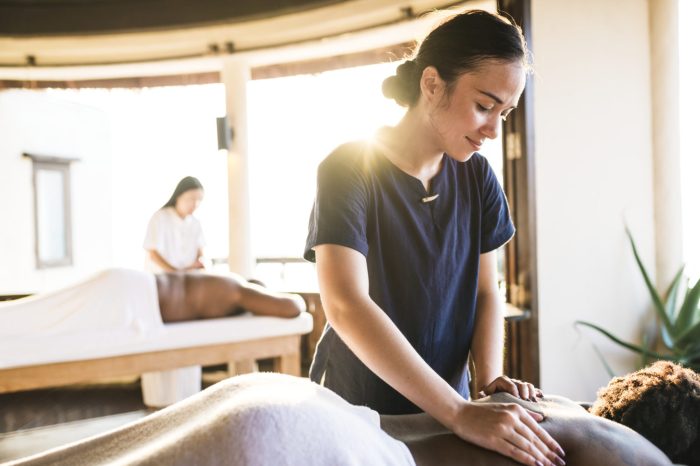
As the field of massage therapy continues to evolve, it is essential to acknowledge the emerging trends that are shaping its future. The integration of technology, innovative techniques, and a growing body of research are setting the stage for more effective and personalized treatment options. By staying attuned to these developments, practitioners can enhance their services and respond to the changing needs of clients.One significant trend is the integration of technology into massage therapy practices.
This includes the use of virtual reality (VR) for relaxation and pain management during sessions. Additionally, the development of mobile applications allows clients to schedule appointments, receive reminders, and access self-care tips right from their smartphones. Such advancements facilitate a more personalized and efficient client experience.
Emerging Technologies in Massage Therapy
The incorporation of cutting-edge technologies is revolutionizing how massage therapy is delivered and experienced. Below are some notable examples of these technologies and their potential impact on the practice:
- Wearable Devices: Devices that monitor stress levels and muscle tension can provide therapists with valuable real-time data, allowing for customized treatment plans tailored to individual needs.
- Robotic Massage Systems: These systems are being developed to simulate human touch, offering consistent pressure and techniques that can complement traditional manual therapy.
- Telehealth Platforms: Remote consultations and guidance through telehealth can help therapists maintain connections with clients, even when in-person visits are not feasible.
Research Areas to Enhance Massage Therapy Practices
There are numerous potential research avenues that could enhance the efficacy and understanding of massage therapy. Focusing on evidence-based practices will help solidify the profession’s credibility in healthcare. Some research areas of interest include:
- Pain Management: Investigating the effectiveness of various massage techniques on chronic pain conditions could lead to improved protocols and patient outcomes.
- Psychological Benefits: Exploring the effects of massage on mental health, particularly in reducing anxiety and depression, could expand the role of therapists in holistic care.
- Integration with Other Therapies: Studying the synergistic effects of combining massage therapy with other modalities such as physical therapy, acupuncture, or chiropractic care could enhance treatment efficacy.
Innovative Approaches Gaining Popularity
As massage therapy continues to adapt to modern health trends, several innovative approaches are gaining recognition among practitioners and clients alike. These methods emphasize holistic well-being and individualized care:
- Touch Therapy: This approach focuses on the therapeutic benefits of touch, emphasizing the emotional and psychological aspects of massage.
- Holistic Massage Techniques: Incorporating elements from various traditions, such as Thai, Ayurvedic, or Lomi Lomi massage, provides diverse benefits and caters to clients’ unique preferences.
- Mindfulness Integration: Combining mindfulness practices with massage therapy encourages relaxation and enhances the overall therapeutic experience.
“The future of massage therapy lies in its ability to adapt and integrate with emerging trends, ensuring a comprehensive approach to well-being.”
Epilogue
In summary, the multifaceted approach of Massage Therapy offers profound benefits for various conditions and enhances the overall quality of life. As the field continues to evolve with innovative techniques and tools, the potential for positive outcomes remains strong, inviting individuals to explore the advantages of therapeutic touch.
Clarifying Questions
What is the average duration of a massage session?
Typically, a massage session lasts between 30 to 90 minutes, depending on the type and purpose of the treatment.
Can massage therapy be harmful?
When performed by a qualified therapist, massage therapy is generally safe, though some individuals may experience soreness or bruising.
How often should one receive massages?
The frequency of massages varies based on individual needs, but many people benefit from weekly or biweekly sessions.
Is massage therapy covered by insurance?
Many insurance plans do cover massage therapy, particularly when prescribed by a healthcare provider, but it is advisable to check with your specific plan.
Are there any contraindications for receiving massage therapy?
Yes, individuals with certain medical conditions, such as severe osteoporosis or skin infections, should consult a healthcare professional before receiving massage therapy.