Luxury Watches A Journey Through Time and Craftsmanship
Luxury Watches are not merely timepieces; they represent a harmonious blend of artistry, precision, and heritage. From their origins, where the first mechanical watches began to define personal style and status, to today’s sophisticated timepieces equipped with cutting-edge technology, luxury watches have continually evolved. This captivating journey highlights the milestones that have shaped the luxury watch industry and the craftsmanship that underpins these exquisite creations.
As we delve deeper into the world of luxury watches, we will explore prominent brands that have set the standard for excellence, the unique materials and techniques that elevate these timepieces, and the intricate complications that enhance their functionality. Furthermore, we will examine the investment potential of luxury watches and how trends influence their desirability in contemporary culture.
Luxury Watch History
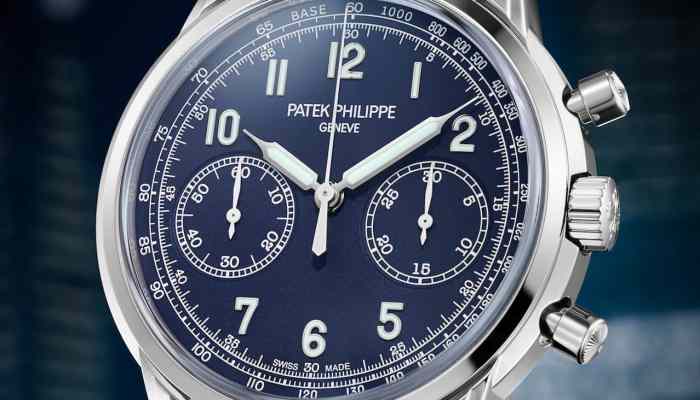
The history of luxury watches is a captivating narrative that unfolds over centuries, showcasing the evolution of timekeeping from simple functionality to an esteemed art form. This journey reflects both advancements in technology and shifts in societal values, with luxury watches becoming symbols of prestige, craftsmanship, and innovation.The origins of luxury watches can be traced back to the late 15th century, when the first portable timepieces were crafted.
These early watches, primarily pocket watches, were often made with intricate designs and precious materials, catering to the affluent classes. Over the years, various milestones marked significant developments in watchmaking, each contributing to the luxury segment’s status today.
Key Milestones in Luxury Watch Industry
The luxury watch industry has seen several pivotal moments that have shaped its trajectory. Each of these milestones not only highlights technological advancements but also cultural shifts that influenced consumer perceptions of luxury.
- First Mechanical Watches (16th Century): The introduction of mechanical watches represented a major breakthrough in horology, allowing for greater accuracy and craftsmanship compared to previous clock systems.
- Quartz Revolution (1970s): The advent of quartz technology revolutionized the watch industry, offering unprecedented accuracy and affordability, leading to the dominance of quartz watches over traditional mechanical timepieces.
- Luxury Brands Emergence (Late 20th Century): Renowned brands such as Rolex, Patek Philippe, and Audemars Piguet established themselves as benchmarks of luxury, quality, and prestige, creating a distinct market for high-end watches.
- Smartwatch Integration (21st Century): The introduction of smartwatches has influenced luxury brands to incorporate technology into their designs, merging traditional craftsmanship with modern innovation.
Technological advancements have significantly impacted luxury watchmaking, enhancing both precision and design capabilities.
The integration of technology into traditional craftsmanship exemplifies the luxury watch industry’s adaptive nature amidst changing consumer demands.
Innovations such as automated manufacturing processes, advanced materials like ceramics and carbon fiber, and the use of computer-aided design (CAD) have allowed artisans to create complex mechanisms and aesthetically stunning pieces while maintaining high standards of quality. Additionally, developments in smartwatch technology have prompted luxury brands to blend digital functionalities with luxury aesthetics, appealing to a new generation of consumers who value both heritage and modernity.Overall, the evolution of luxury watches is a testament to human ingenuity and a reflection of societal values, transforming timekeeping into a sophisticated blend of art, science, and culture.
Prominent Luxury Watch Brands
Luxury watches represent the pinnacle of craftsmanship, precision, and sophistication. Renowned for their heritage, technological innovation, and timeless designs, these brands have established themselves at the forefront of the luxury market. This section explores some of the most prestigious luxury watch brands, highlighting their brand philosophies, values, and signature features that set them apart.
Renowned Luxury Watch Brands
Several luxury watch brands have earned a reputation for excellence and exclusivity over the years. These brands not only exemplify superior watchmaking skills but also embody unique philosophies that resonate with their clientele. Below are some of the most distinguished names in the industry:
- Rolex: Known for its iconic status, Rolex emphasizes precision and durability. The brand’s philosophy is rooted in performance, exemplified by its robust designs and innovations such as the waterproof Oyster case.
- Patek Philippe: Celebrated for its intricate complications and hand-finished craftsmanship, Patek Philippe follows a philosophy of timelessness, creating pieces that are often passed down through generations.
- Audemars Piguet: This brand prides itself on its rebellious spirit and commitment to avant-garde designs. The Royal Oak, with its octagonal bezel, reflects its innovative approach to luxury watchmaking.
- Omega: Known for its association with space exploration and precision timekeeping, Omega’s philosophy revolves around adventure and exploration, producing watches that withstand extreme conditions.
- Tag Heuer: Tag Heuer’s focus on sports and automotive timing is evident in its bold designs and advanced functionality, appealing to a younger demographic while maintaining its luxury status.
Brand Philosophies and Values
The philosophies and values of these luxury watch brands are crucial in understanding their market positioning and customer relationships. Each brand has its own narrative that reflects its history, mission, and vision for the future.
“Every watch tells a story, and each brand has a unique narrative that resonates with its audience.”
The emphasis on tradition versus innovation is a recurring theme among these brands. While some, like Patek Philippe, prioritize traditional craftsmanship and heritage, others, such as Audemars Piguet, embrace modern design philosophies. This dichotomy influences their approaches to customer engagement, marketing strategies, and product development.
Signature Features of Select Luxury Watch Brands
Luxury watches are characterized by unique features that define their exclusivity and functionality. Here are some signature features associated with select brands:
- Rolex: The Cyclops lens, water-resistant capabilities, and self-winding movement are hallmark features of Rolex watches, contributing to their resilience and user-friendliness.
- Patek Philippe: The brand is renowned for its complex movements, often featuring perpetual calendars and minute repeaters, showcasing its commitment to horological artistry.
- Audemars Piguet: The signature “Tapisserie” pattern on the dial and the octagonal case design of the Royal Oak are instantly recognizable and symbolize the brand’s rebellious nature.
- Omega: Omega is distinguished by its Co-Axial escapement technology, which enhances precision and reduces friction in the movement, a revolutionary advancement in watchmaking.
- Tag Heuer: The brand’s chronograph functionality and sporty aesthetic are emblematic of its dedication to high-performance timing instruments, particularly in motorsports.
Craftsmanship and Materials
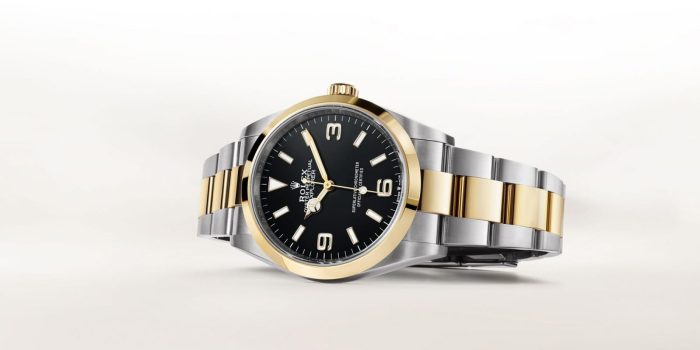
The artistry behind luxury watches is an intricate blend of tradition, skill, and precision. The process of creating these exquisite timepieces goes far beyond mere assembly; it involves a high degree of craftsmanship that is passed down through generations. Each component of a luxury watch is meticulously crafted to ensure not only functionality but also aesthetic appeal, resulting in a masterpiece that is both a practical instrument and a work of art.The materials used in luxury watch production play a significant role in defining the quality and longevity of the timepiece.
High-end watches are often made from precious metals, high-grade stainless steel, and advanced ceramics, which contribute to their durability and luxury status. The choice of materials also reflects the brand’s identity and enhances the watch’s overall design aesthetic.
Craftsmanship Techniques
The craftsmanship techniques employed in luxury watchmaking are complex and require years of training. Each watch is assembled by skilled artisans who specialize in various components, ensuring that every detail is perfected. Techniques such as hand-finishing, engraving, and polishing are employed to elevate the watch’s visual appeal. The process typically involves several key steps:
1. Movement Creation
The heart of the watch, the movement, is crafted with extreme precision. This includes the assembly of intricate gears and springs, often comprising hundreds of tiny parts that work seamlessly together.
2. Dial Manufacturing
The dial of a luxury watch is not just a functional component; it is a canvas for artistic expression. Techniques such as enameling, guilloché (a decorative engraving), and appliqué are used to create stunning dials that reflect the brand’s heritage.
3. Case Fabrication
Luxury watch cases are often made from metals like gold, platinum, or high-grade stainless steel. The machining process requires advanced technology to ensure that each case meets exact specifications.
4. Final Assembly
This stage brings together all the elements of the watch. Every component, including the case, movement, and dial, is carefully assembled and tested for accuracy. This meticulous process ensures that the final product meets the highest standards of quality.The culmination of these processes results in a luxury watch that not only serves its purpose of timekeeping but also stands as a testament to the craftsmanship and materials that define high-end horology.
The dedication to quality and precision reflects the ethos of luxury watchmaking, appealing to collectors and enthusiasts worldwide.
Luxury Watch Complications
Luxury watch complications play a vital role in separating high-end timepieces from standard models, showcasing the artistry and technical prowess involved in horology. Complications refer to any feature in a watch beyond the standard display of hours, minutes, and seconds. These sophisticated functions not only enhance the watch’s utility but also elevate its status as a technical marvel and a symbol of luxury.The intricacies of various complications often require advanced mechanics and exceptional craftsmanship.
Notable complications include chronographs, which are used for timing events; perpetual calendars, which account for leap years and automatically adjust the date; and tourbillons, designed to improve accuracy by compensating for the effects of gravity on the movement. Each complication presents unique engineering challenges and demands great expertise to create, ensuring that they are often found in the most prestigious timepieces.
Types of Luxury Watch Complications, Luxury Watches
Understanding the different types of complications is essential for appreciating their functionality and the skill involved in their creation. Below is a categorized table of notable complications, along with examples from various esteemed brands.
| Complication Type | Description | Example Brand and Model |
|---|---|---|
| Chronograph | A stopwatch function that allows the measurement of elapsed time. | Tag Heuer Carrera Calibre 16 |
| Perpetual Calendar | A mechanism that adjusts the date automatically, accounting for leap years. | Patek Philippe Calatrava 5227 |
| Tourbillon | A rotating cage designed to enhance accuracy by mitigating the effects of gravity on the escapement. | Audemars Piguet Royal Oak Tourbillon |
| Minute Repeater | A complication that chimes the hour and minutes on demand. | Vacheron Constantin Les Cabinotiers |
| Split-Seconds Chronograph | A complex version of the chronograph that can time multiple events simultaneously. | Breitling Navitimer 01 |
| Moonphase | Displays the current phase of the moon as part of the timekeeping function. | Jaeger-LeCoultre Master Calendar |
Complications not only showcase the technical brilliance of watchmakers but also enhance the aesthetic appeal of luxury timepieces.
Investment and Value
The luxury watch market is increasingly recognized as a viable investment option, often compared to traditional assets such as stocks and real estate. This segment of the luxury goods market not only caters to collectors and enthusiasts but also appeals to investors seeking to diversify their portfolios. The factors influencing the investment potential of luxury watches include brand reputation, rarity, craftsmanship, and historical significance.Several key elements contribute to the investment potential of luxury watches.
Firstly, brand prestige plays a critical role; renowned manufacturers such as Rolex, Patek Philippe, and Audemars Piguet are often sought after due to their long-standing reputations for quality and exclusivity. Secondly, the rarity of certain models can significantly enhance their desirability and value. Limited editions or discontinued models often appreciate over time, as collectors are willing to pay a premium for unique pieces.
The materials used in the watches, such as precious metals and gemstones, also impact their value. Lastly, the condition and service history of a watch are crucial determinants—watches that have been well-maintained and come with original packaging and documentation tend to command higher prices.
Implementing effective Diet Plans can significantly impact your health journey by providing the necessary nutrients your body requires. Complementing this with professional Chiropractic Services can help alleviate physical discomfort and promote overall wellness. Together, they form a comprehensive approach to achieving and maintaining your health goals.
Resale Market and Impact of Rarity on Value
The resale market for luxury watches has flourished in recent years, with platforms dedicated to buying and selling pre-owned timepieces. The appreciation of certain watches in this market underscores the importance of rarity and exclusivity. Watches that are limited in production or feature unique attributes can see substantial increases in value, often outperforming traditional investments. The resale value is also influenced by current trends, collector demand, and the overall economic climate.Watches that have appreciated significantly over time tend to exemplify these characteristics.
Below is a selection of luxury watches that have demonstrated notable investment potential:
- Patek Philippe Nautilus: Known for its distinctive design and limited availability, certain models have seen price increases of over 100% in just a few years.
- Rolex Daytona: With its storied history in motorsport, vintage models, particularly those with rare dials, can fetch astronomical prices at auction.
- Audemars Piguet Royal Oak: This pioneering piece in the luxury sports watch category has consistently appreciated, especially models with unique features or limited runs.
- Omega Speedmaster: The “Moonwatch” is not only iconic but has also become increasingly sought after, particularly early production models that are difficult to find.
“The luxury watch market is uniquely positioned, where rarity and desirability can yield returns that rival traditional investments.”
Trends in Luxury Watches
The luxury watch industry is continuously evolving, influenced by various factors that shape consumer preferences and market dynamics. Current trends reflect not only the classic elements of luxury but also the changing lifestyle and values of watch enthusiasts. This segment highlights these trends, focusing on social media’s impact and the rise of emerging brands.Social media plays a pivotal role in the marketing and sales of luxury watches.
Choosing the right Diet Plans is essential for maintaining a healthy lifestyle. A well-structured diet can not only help in weight management but also improve your overall well-being. In tandem, it is important to consider holistic approaches such as Chiropractic Services , which can enhance physical health by addressing musculoskeletal issues and improving mobility. Together, these strategies support a balanced and healthy life.
Platforms such as Instagram and TikTok have become essential tools for brands to engage with younger audiences and showcase their collections. Influencers and celebrities endorse luxury watches, significantly driving demand and creating a sense of exclusivity and aspiration. This phenomenon has increased visibility for established brands and provided a platform for new entrants to gain popularity quickly.
Influence of Social Media and Celebrity Endorsements
The effect of social media and celebrity endorsements on luxury watch sales is profound. Luxury brands leverage these platforms to create compelling narratives around their products, fostering a connection with potential customers. High-profile endorsements not only enhance brand prestige but also prompt immediate consumer interest, which can lead to increased sales. The following points illustrate this trend:
- Increased engagement through visually appealing content, showcasing features and craftsmanship.
- Celebrity endorsements that lend credibility and allure, making watches desirable to a broader audience.
- Strategic partnerships with influencers who resonate with specific demographics, enhancing market reach.
- Real-time feedback and interaction from consumers, allowing brands to adapt quickly to market demands.
- Creation of buzz around limited editions or new releases, often resulting in immediate sell-outs.
Emerging Luxury Watch Brands to Watch
The luxury watch market is not solely dominated by established names; several emerging brands are gaining traction and recognition for their unique offerings and innovative designs. These brands are noteworthy for their potential to disrupt the market and redefine luxury watch aesthetics. The following list highlights some of these promising contenders:
- Oris – Known for its commitment to sustainability and mechanical excellence.
- Nomos Glashütte – Renowned for its minimalist design and in-house movements.
- Farer – A British brand that combines vibrant colors and vintage-inspired aesthetics.
- Hublot – Continues to innovate with its fusion of materials and bold designs.
- Ferro & Company – Emphasizes craftsmanship with a focus on affordability and style.
Maintenance and Care: Luxury Watches
Maintaining and caring for luxury watches is essential to ensure their longevity, functionality, and value retention. Proper care involves regular maintenance routines, attention to common issues, and understanding how to preserve the watch’s exquisite condition. By following a comprehensive maintenance guide, owners can enjoy their timepieces for generations while safeguarding their investment.
Luxury watches, given their intricate mechanisms and high-quality materials, require specific care to function optimally. Regular servicing by professionals and daily attention to minor issues can go a long way in preserving a watch’s integrity. Below are some crucial areas to address for effective maintenance and care of luxury watches.
Regular Maintenance Schedule
Establishing a maintenance routine is vital for keeping a luxury watch in prime condition. Regular maintenance includes cleaning, servicing, and checking for any wear and tear. The following guidelines help maintain the performance and aesthetic appeal of luxury watches:
- Routine Cleaning: Clean the watch casing and bracelet with a soft, lint-free cloth regularly. For deeper cleaning, use lukewarm water and mild soap, ensuring that no moisture enters the case. Avoid using harsh chemicals that can damage the finish.
- Professional Servicing: Schedule professional servicing every 3 to 5 years, depending on the brand and model. This includes lubrication of the movement, testing for water resistance, and replacing worn parts.
- Battery Replacement: For quartz watches, timely battery replacement is crucial to prevent leakage, which can damage internal components. Replace the battery through a certified jeweler to ensure the watch’s integrity is maintained.
Common Issues and Solutions
Luxury watch owners may encounter several common issues that, if not addressed promptly, can affect the watch’s functionality. Here are some prevalent problems along with effective solutions:
- Water Resistance Failure: Over time, seals may degrade, compromising water resistance. Regular tests can identify this issue, and re-sealing should be performed by professionals.
- Scratches and Dents: While minor scratches can be polished out, deeper dings might require professional attention. Avoid harsh environments to minimize damage.
- Incorrect Timekeeping: If a mechanical watch shows irregular timekeeping, it may require servicing. Ensure the movement is properly wound and avoid magnetic fields that can affect accuracy.
Preserving Value Over Time
To maintain the value of luxury timepieces, owners should adopt practices that safeguard both the watch’s condition and its market worth. The following strategies are effective in preserving value:
- Original Packaging and Documentation: Keep the original box, papers, and documentation. These items significantly enhance resale value by providing authenticity and history.
- Controlled Environment: Store watches in a controlled environment away from extreme temperatures, humidity, and direct sunlight to prevent deterioration of materials.
- Limit Exposure to Elements: Avoid wearing the watch during activities that may expose it to excessive dirt, sweat, or impacts. Regularly rotate your collection to minimize wear.
Luxury Watches in Popular Culture
Luxury watches have transcended their primary function of timekeeping to become prominent symbols of status, wealth, and sophistication in popular culture. Their appearances in films, television, and by high-profile personalities have solidified their status as coveted accessories that convey both taste and success. This segment delves into the representation of luxury watches in various media, their association with societal status, and notable personalities renowned for their impressive collections.
Representation of Luxury Watches in Movies and Television
Luxury watches frequently serve as powerful visual cues in film and television, enhancing character depth and status portrayal. For instance, iconic characters such as James Bond have made luxury watches an integral part of their persona. The Omega Seamaster, worn by Bond in numerous films, epitomizes the blend of functionality and elegance that luxury watches offer. Similarly, in the television series “Mad Men,” Don Draper’s use of a Rolex Submariner reinforces his image as a successful advertising executive during the 1960s.
Such representations reinforce the narrative that luxury watches are not merely timepieces but extensions of one’s identity and lifestyle. They are often associated with characters who embody power, sophistication, and sometimes even a touch of mystery.
Association with Status and Success
The depiction of luxury watches in popular culture has fostered a strong association between these timepieces and societal status. Owning a luxury watch signifies not just financial capability but also an appreciation for craftsmanship and design. High-end brands such as Rolex, Patek Philippe, and Audemars Piguet are synonymous with success and prestige. The perception that luxury watches are markers of success is supported by the following factors:
- Investment Value: Many luxury watches appreciate over time, making them not only status symbols but also sound investments.
- Limited Editions: Exclusive releases and limited editions heighten their desirability, further aligning them with affluence.
- Cultural Significance: Luxury watches often feature prominently in significant life events, such as graduations, promotions, and weddings, serving as lasting reminders of success.
Notable Personalities with Luxury Watch Collections
Numerous celebrities and influential figures have become synonymous with luxury watches, showcasing their collections openly and influencing public perception. Figures such as actor John Mayer, who is known for his extensive collection that includes rare timepieces from brands like Jaeger-LeCoultre and Rolex, demonstrate how luxury watches are intertwined with personal branding.Another notable personality is basketball superstar LeBron James, often seen sporting high-end models from brands like Richard Mille and Audemars Piguet.
These celebrities not only enhance their public image through their choice of watches but also inspire fans and collectors alike to engage with the luxury watch market.
“Luxury watches are more than just timepieces; they reflect our aspirations and achievements.”
In summary, luxury watches have firmly entrenched themselves in popular culture as symbols of wealth and sophistication, resonating with audiences and collectors through their distinct representations in film, television, and by prominent personalities.
Closing Notes
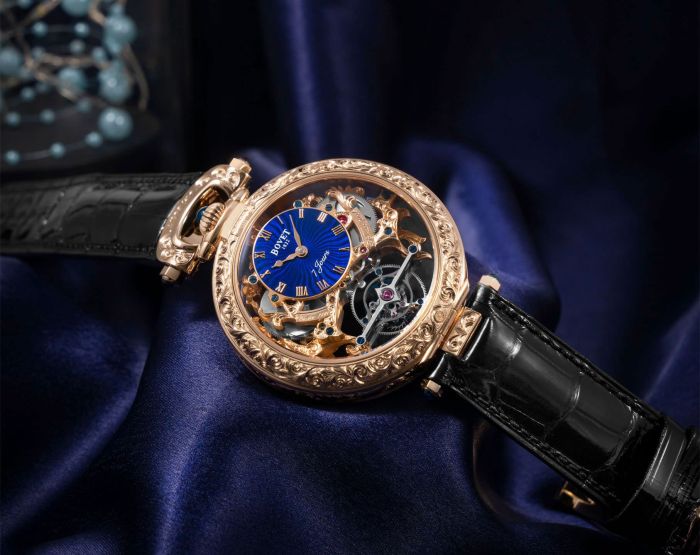
In conclusion, the allure of Luxury Watches transcends mere aesthetics, embodying a rich history and a promise of value that captivates collectors and enthusiasts alike. Whether viewed as functional art, a status symbol, or an investment opportunity, these timepieces continue to inspire admiration and passion across generations. The world of luxury watches is ever-evolving, and understanding its complexities can enrich one’s appreciation of these remarkable instruments of time.
FAQ Overview
What defines a luxury watch?
A luxury watch is characterized by its high-quality materials, exceptional craftsmanship, and exclusivity, often associated with prestigious brands.
Are luxury watches a good investment?
Yes, many luxury watches appreciate in value over time, especially limited editions from renowned brands.
How can I identify a counterfeit luxury watch?
Examine the watch’s weight, craftsmanship, and movement; authentic luxury watches typically exhibit superior quality and detail.
How often should I service my luxury watch?
It is recommended to service your luxury watch every 3 to 5 years to maintain its performance and value.
What materials are commonly used in luxury watches?
Luxury watches often utilize precious metals such as gold and platinum, high-grade stainless steel, and advanced materials like ceramic and sapphire crystal.