HighEnd Fashion Exploring Luxury and Elegance
HighEnd Fashion stands as the epitome of luxury, offering an exquisite blend of artistry and craftsmanship that captivates the discerning consumer. This realm of fashion is not merely about clothing; it encompasses a rich tapestry of history, cultural significance, and innovation. As we delve deeper, we will uncover the defining characteristics that distinguish high-end fashion from other categories, revealing its profound impact on contemporary society.
From its origins to its current stature, high-end fashion has evolved through the influence of iconic designers and landmark events that have shaped its narrative. Understanding the intricate structure of the fashion industry, including haute couture and luxury brands, further illuminates the relationship between creativity and commerce. Additionally, we will explore the pressing issues of sustainability and the future outlook of high-end fashion as it navigates through changing consumer values and digital advancements.
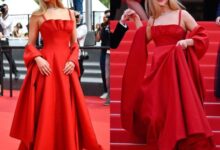
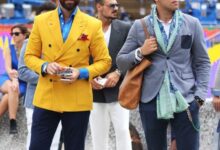
Introduction to High-End Fashion
High-end fashion, often synonymous with luxury and exclusivity, is characterized by its premium materials, meticulous craftsmanship, and innovative design. This category of fashion is not only about clothing but also encompasses accessories, footwear, and even lifestyle products that exude sophistication and elegance. High-end fashion brands typically operate within a framework that emphasizes a strong brand identity, a commitment to quality, and an appeal to a discerning clientele who value artistry and prestige.The distinction between high-end fashion and other fashion categories, such as mass market or fast fashion, lies primarily in the quality and exclusivity of the products offered.
While mass market fashion aims to provide trendy and affordable clothing to a wide audience, high-end fashion focuses on limited production runs, often resulting in unique pieces that reflect the artisan skill of the designer. This exclusivity is further enhanced by high price points, which not only cover the cost of premium materials but also the extensive labor and creative input involved in the design process.
Cultural Significance of High-End Fashion
High-end fashion holds a significant place in contemporary society, often serving as a reflection of cultural values and social status. The influence of high-end fashion extends beyond mere aesthetics; it plays a crucial role in shaping identity and personal expression. The consumption of luxury fashion items is frequently associated with success, sophistication, and social standing. High-end fashion events, such as Fashion Weeks in major cities, also serve as cultural landmarks that not only showcase new designs but also highlight current societal trends and issues.The impact of high-end fashion is further illustrated in various spheres, including:
- Economic Impact: High-end fashion contributes significantly to the global economy through employment in design, production, and retail sectors, reinforcing its status as a vital industry.
- Cultural Representation: High-end fashion often champions diversity and representation, with designers showcasing a variety of cultural influences and promoting inclusivity within the industry.
- Social Commentary: Designers frequently use their platforms to address social issues, such as sustainability and body positivity, making high-end fashion a powerful vehicle for cultural dialogue.
High-end fashion is not just a market but a cultural phenomenon, influencing art, music, and lifestyle. The interplay between fashion and social movements demonstrates how high-end designers can lead conversations around contemporary issues, thus cementing their role in the larger cultural landscape.
High-end fashion serves as a mirror to society, reflecting its values, aspirations, and challenges.
History of High-End Fashion
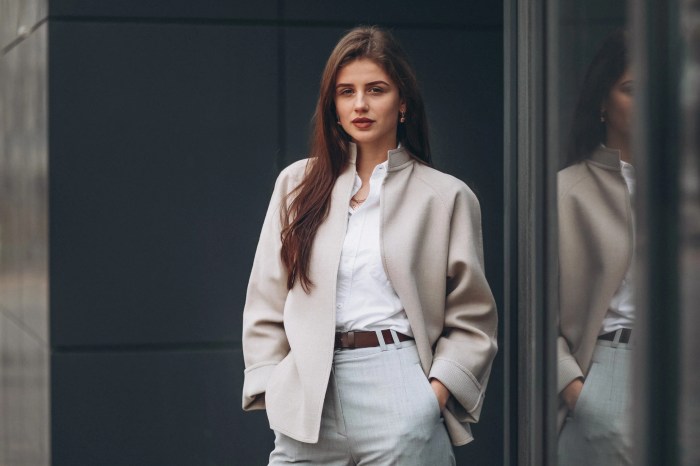
The history of high-end fashion is a fascinating narrative that reflects not only the evolution of clothing but also the socio-economic dynamics and cultural shifts that have taken place over centuries. From its origins in royal courts to its status today as a global phenomenon, high-end fashion has undergone significant transformations, driven by creativity, innovation, and the relentless pursuit of elegance.The evolution of high-end fashion can be traced back to the late 14th century, where it began to emerge as a reflection of wealth and social status.
During the Renaissance period, elaborate clothing designs and luxurious fabrics became symbols of power among the aristocracy. This era marked the emergence of skilled artisans and tailor shops, which laid the groundwork for the fashion industry as we know it. As time progressed into the 19th century, the Industrial Revolution played a crucial role in the democratization of fashion, allowing for mass production while still nurturing a space for haute couture.
Participating in Detox Programs is a proactive step towards achieving a healthier lifestyle, as they facilitate the removal of harmful substances from your body. This cleansing process not only improves physical health but also has a positive impact on emotional well-being. To further support your journey, it’s important to consider Mental Health Support , which can help you navigate challenges and maintain a positive outlook throughout your detoxification process.
Key Designers and Brands in High-End Fashion History
The development of high-end fashion has been significantly influenced by a number of visionary designers and iconic brands. Each has contributed unique styles and philosophies that have shaped the landscape of fashion.
- Charles Frederick Worth: Often referred to as the father of haute couture, Worth founded the House of Worth in the mid-19th century, setting the standard for personalized fashion and the modern fashion show.
- Coco Chanel: A revolutionary figure in the fashion industry, Chanel is celebrated for introducing modern women’s fashion, including the iconic Chanel No. 5 perfume and the timeless Chanel suit, which redefined femininity.
- Christian Dior: Dior’s “New Look” in 1947 redefined post-war fashion, emphasizing a return to femininity with its hourglass silhouettes and luxurious fabrics, captivating women around the world.
- Yves Saint Laurent: Known for his innovative designs and as a pioneer of ready-to-wear, Saint Laurent brought high fashion to the masses, blurring the lines between formal and casual wear.
- Gucci: Founded in 1921, Gucci has become synonymous with luxury and craftsmanship. Its design evolution reflects cultural shifts while maintaining a sense of heritage and exclusivity.
Landmark Events in High-End Fashion History
Throughout history, various landmark events have significantly impacted high-end fashion, marking shifts in design, consumer culture, and societal norms.
- The Establishment of Haute Couture: The Chambre Syndicale de la Haute Couture was established in 1868 to preserve the reputation of haute couture and regulate fashion shows, ensuring exclusivity and quality.
- Fashion Shows as a Cultural Phenomenon: The rise of fashion weeks in major cities like Paris, Milan, and New York in the 20th century transformed the way fashion was consumed, showcasing designers’ collections to a global audience.
- The Introduction of Ready-to-Wear: In the 1960s, the introduction of ready-to-wear collections democratized fashion, enabling a broader audience to access designer pieces, while still maintaining a sense of luxury.
- Influence of Technology: The advent of digital technology and social media in the 21st century has reshaped the way fashion is marketed and consumed, allowing for rapid trends and greater engagement with consumers.
- Globalization of Fashion: The 2000s saw a significant shift as fashion became a global industry, with brands like Zara and H&M leading the way in fast fashion, influencing consumer behavior on a worldwide scale.
The Fashion Industry’s Structure
The fashion industry is a complex and multifaceted ecosystem that is driven by creativity, innovation, and commerce. At its core, high-end fashion serves as a key pillar, encompassing various segments such as haute couture, ready-to-wear, and luxury brands. Each segment plays a distinct role in shaping trends, influencing consumer behavior, and driving the economy.
Roles and Importance of Haute Couture, Ready-to-Wear, and Luxury Brands
Haute couture represents the epitome of fashion craftsmanship, characterized by bespoke garments tailored specifically for individual clients. This segment not only showcases the highest level of artistry and meticulous attention to detail but also sets the foundation for upcoming trends in the fashion industry. The exclusivity of haute couture lies in its limited production, often resulting in pieces that are both a status symbol and a form of artistic expression.
Ready-to-wear collections, on the other hand, bridge the gap between haute couture and mass-market fashion. These lines offer high-quality designs available in standard sizes, making them accessible to a broader audience. They maintain a level of sophistication while ensuring that the latest trends can reach consumers efficiently. Luxury brands encompass both haute couture and ready-to-wear fashion, often blurring the lines between the two.
These brands are recognized not only for their exceptional quality and design but also for their strong brand identity and heritage. The significance of luxury brands lies in their ability to create aspirational lifestyles for consumers, driving demand through a combination of exclusivity and accessibility.
Relationship Between High-End Fashion Houses and Fashion Weeks Globally
High-end fashion houses play a pivotal role during fashion weeks, which are critical events held in major cities around the world such as Paris, Milan, New York, and London. These events serve as platforms for designers to showcase their latest collections to buyers, press, and the public. The relationship between high-end fashion houses and fashion weeks is symbiotic, as the success of a fashion house can significantly enhance the prestige of a fashion week.Fashion weeks are not merely showcases; they are strategic marketing opportunities that allow designers to present their vision and set the tone for the upcoming seasons.
The impact of these events extends beyond the runway, influencing retail strategies and consumer purchasing behaviors. The excitement generated during these showcases often leads to increased sales and visibility for participating brands.
Significance of Collaborations Between High-End Designers and Mass-Market Brands
Collaborations between high-end designers and mass-market brands have become increasingly prevalent, creating a unique intersection between luxury and affordability. These partnerships allow high-end designers to reach a wider audience while providing mass-market brands with a boost in prestige and appeal. The significance of such collaborations can be observed through several noteworthy partnerships.For instance, the collaboration between Target and luxury designers like Missoni and Alexander McQueen resulted in limited-edition collections that sold out almost instantly.
These collaborations demonstrate how high-end fashion can penetrate the mass market without diluting the brand’s essence. Moreover, such partnerships foster innovation by blending high-end design aesthetics with practical and accessible fashion solutions. They encourage creativity while promoting inclusivity, allowing consumers to experience luxury fashion in a more approachable manner. The impact of these collaborations extends beyond mere sales figures; they reshape perceptions of brand value and consumer aspirations in the fashion landscape.
Design and Craftsmanship
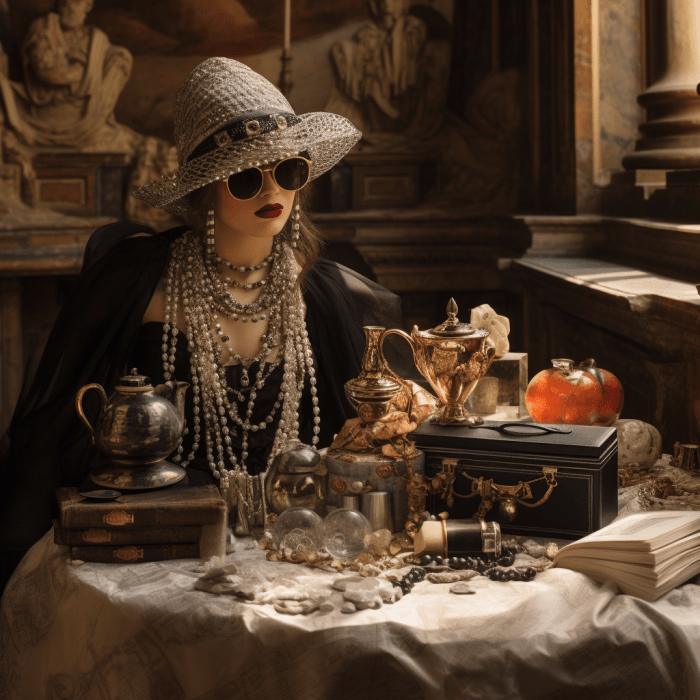
The design and craftsmanship of high-end fashion are pivotal components that distinguish it from mass-produced garments. This realm of fashion not only emphasizes aesthetics but also values innovation, quality, and artistry. The process of creating high-end fashion items is a meticulous journey that reflects the designer’s vision and the skill of artisans.The design process begins with concept creation, where designers draw inspiration from various sources such as art, culture, and personal experiences.
This phase involves sketching initial ideas, choosing color palettes, and defining the overall aesthetic. Material selection is equally crucial, as the choice of fabric can significantly influence the final appearance and functionality of the garment. High-end designers often opt for luxurious materials such as silk, cashmere, and fine leather, which require in-depth knowledge of textile qualities and properties.
Craftsmanship in High-End Fashion
The craftsmanship involved in producing high-end fashion garments is characterized by an emphasis on detail, precision, and individuality. Artisans skilled in traditional techniques contribute to the creation of each piece, ensuring that every stitch and seam is perfect. The following aspects highlight the importance of craftsmanship in high-end fashion:
- Handmade Techniques: Many high-end garments are crafted by hand, allowing for unique detailing and personalization that cannot be replicated by machines. Techniques such as hand embroidery and draping showcase the artisan’s skill and creativity.
- Tailoring: Tailoring is a critical aspect of high-end fashion, where garments are fitted to the individual wearer’s body. A well-tailored piece not only enhances the silhouette but also provides comfort and movement.
- Quality Control: Each piece undergoes rigorous quality checks to ensure it meets the high standards expected of luxury fashion. This includes examining seams, finishes, and overall construction.
The balance between traditional techniques and modern technology is evident in high-end fashion design. While traditional methods uphold the values of artisanal craftsmanship, modern technology introduces efficiency and innovation. For instance, computer-aided design (CAD) tools enable designers to visualize their creations in 3D before the actual production begins, allowing for precise adjustments. Additionally, digital printing techniques allow for intricate patterns and designs that enhance creativity and reduce waste.
“High fashion is about making a statement, and the details are what truly make it unique.”
The integration of both worlds creates a harmonious synergy that enhances the creative process without compromising quality. Renowned designers often blend these approaches to achieve a distinct style, demonstrating that the future of high-end fashion lies in the marriage of tradition and innovation.
Pricing Strategies in High-End Fashion
In the realm of high-end fashion, pricing strategies are pivotal in establishing brand perception and consumer desirability. The intricate dynamics of pricing in this segment are influenced by various factors, including production costs, exclusivity, and brand positioning. Understanding these elements is essential for luxury brands as they navigate the competitive landscape of the fashion industry.The pricing of high-end fashion products is determined by a blend of tangible and intangible factors that contribute to the overall value proposition.
Primarily, the cost of materials and craftsmanship plays a significant role. Luxury brands often employ high-quality fabrics and detailed artisanal techniques, which inherently drive up production costs. Additionally, market demand and consumer purchasing power are critical considerations that influence pricing strategies. High-end labels must also account for economic factors such as inflation and currency fluctuations, which can impact international pricing.
Exclusivity and Scarcity in High-End Pricing
Exclusivity and scarcity are fundamental components of pricing strategies in high-end fashion. The perception of a product’s rarity significantly enhances its allure and desirability. Luxury brands often employ limited production runs or exclusive collections to create a sense of scarcity, which in turn justifies higher price points. This strategy not only cultivates a sense of urgency among consumers but also reinforces the brand’s status as a purveyor of exclusive items.Factors contributing to exclusivity in pricing include:
- Limited Editions: Exclusive collections or collaborations that are available for a short time span increase the perceived value of products.
- Unique Design: Custom pieces or one-of-a-kind items that cannot be found elsewhere command higher prices due to their uniqueness.
- Selective Distribution: Selling products through a limited number of high-end retailers or directly through brand boutiques reinforces exclusivity.
“The notion that a product is rare or hard to acquire makes it more desirable in the eyes of consumers.”
Branding and Consumer Perception of Value
Branding significantly influences consumer perception of value in high-end fashion. Strong branding creates an emotional connection with consumers, elevating the perceived worth of a product beyond its physical attributes. Luxury brands invest heavily in crafting a powerful narrative and an image that resonates with their target audience. This narrative often includes elements such as heritage, craftsmanship, and innovation, which together forge a strong brand identity.Key components of branding that impact pricing include:
- Brand Heritage: A long-standing history and tradition in fashion can elevate prices as consumers associate heritage with quality and reliability.
- Celebrity Endorsements: Collaborations with high-profile individuals or influencers can enhance visibility and desirability, allowing brands to command premium prices.
- Marketing and Communication: Effective storytelling and strategic marketing campaigns reinforce the brand’s luxurious positioning, justifying higher price points.
“Branding transforms mere products into symbols of prestige, allowing brands to charge a premium based on perceived value.”
Consumer Behavior
Understanding consumer behavior in high-end fashion is essential for brands aiming to connect with their target audience. High-end fashion consumers are characterized by distinct preferences and motivations that drive their purchasing decisions. These consumers often seek more than just clothing; they pursue status, identity, and exclusivity. The profile of high-end fashion consumers encompasses a diverse demographic, yet they typically share common traits that influence their buying habits.
Profile of High-End Fashion Consumers
High-end fashion consumers often come from affluent backgrounds and possess disposable income, allowing them to invest in luxury purchases. Their motivations for buying high-end fashion items include:
- Quality and Craftsmanship: Consumers are drawn to the superior materials and craftsmanship associated with luxury brands, which often translate into long-lasting products.
- Exclusivity: Limited editions and unique designs appeal to consumers looking to distinguish themselves from others.
- Brand Heritage: A strong brand history or heritage can enhance a consumer’s affinity for a fashion label, as they feel connected to the legacy and prestige that the brand represents.
- Social Influence: Many high-end consumers are influenced by social circles, including celebrities and influencers, which can significantly affect their purchasing decisions.
Influence of Social Status and Identity
Social status significantly impacts consumer behavior in high-end fashion. The desire to convey wealth and sophistication often drives consumers to purchase luxury items, as these products serve as symbols of status. High-end fashion allows individuals to express their identity and social standing, creating a sense of belonging within elite circles.
“Fashion is not something that exists in dresses only. Fashion is in the sky, in the street, fashion has to do with ideas, the way we live, what is happening.” – Coco Chanel
The interplay between fashion consumption and social identity means that many consumers are not merely buying clothing; they are investing in a lifestyle and a narrative that aligns with their aspirations and self-image.
Engaging in Detox Programs can significantly enhance your overall well-being by eliminating toxins from your body. These programs are designed to rejuvenate your system, promoting better health and vitality. Additionally, it’s essential to recognize the importance of mental health in this journey. Seeking Mental Health Support can provide you with the tools needed to maintain a balanced mindset, ensuring that you are holistic in your approach to health.
Buying Patterns During Different Seasons
High-end fashion consumption exhibits distinct buying patterns influenced by seasons. Different times of the year bring variations in consumer behavior driven by seasonal trends, events, and holidays. During the spring and summer seasons, consumers often gravitate towards vibrant colors and lighter materials, aligning their purchases with warmer weather and social events such as weddings or vacations. In contrast, the fall and winter months see an inclination towards layered clothing, luxury outerwear, and accessories suitable for colder climates.Furthermore, holiday seasons present peak buying periods, as consumers engage in gift-giving.
Notably, brands often capitalize on this by launching special collections or limited-edition items designed to entice consumers looking to make significant purchases during these times.Understanding these patterns enables high-end brands to strategize effectively, ensuring that their offerings align with consumer expectations throughout the year.
Sustainability in High-End Fashion
The integration of sustainability practices in high-end fashion represents a crucial evolution within the industry, addressing environmental concerns while catering to an increasingly eco-conscious consumer base. As luxury brands seek to balance exclusivity with responsibility, they face both significant challenges and transformative opportunities in rethinking their operational and production models.High-end fashion often grapples with the perception that sustainability compromises luxury quality and craftsmanship.
However, there are numerous opportunities for brands to innovate and lead in sustainability. These challenges underscore the necessity for brands to adapt, ensuring not only that their practices align with consumer values but also that they contribute positively to the environment.
Challenges and Opportunities in Sustainability
The high-end fashion sector encounters a myriad of challenges in its pursuit of sustainability. The following points highlight the complexities faced by luxury brands:
- High Resource Intensity: Luxury fashion typically demands extensive resources, from sourcing premium materials to maintaining intricate production processes.
- Consumer Expectations: Many consumers expect high-end fashion to deliver exceptional quality, which can conflict with sustainable practices that focus on reduced consumption and waste.
- Transparency Issues: The intricate supply chains within high-end fashion often lack transparency, making it difficult for brands to verify sustainable practices at every level.
- Cost Considerations: Implementing sustainable practices can be more expensive initially, leading some brands to hesitate in making necessary investments.
Despite these challenges, there are significant opportunities for brands willing to innovate. The rise of eco-conscious consumers presents a chance for high-end fashion to redefine its image. Brands that successfully integrate sustainability into their core values can differentiate themselves and attract a loyal customer base.
Innovative Practices Promoting Sustainability
High-end fashion brands are increasingly adopting innovative practices to enhance sustainability, reflecting a commitment to both the planet and their customers. Examples of these practices include:
- Use of Eco-Friendly Materials: Brands are increasingly sourcing organic, recycled, and biodegradable materials, reducing their environmental footprint.
- Transparent Supply Chains: Many luxury labels are implementing traceability measures to ensure ethical sourcing and production, providing consumers with insight into their purchasing choices.
- Upcycling and Reuse: Innovative design strategies such as upcycling existing materials into new products help minimize waste and promote a circular economy.
- Technology Integration: High-end brands are leveraging technology to optimize production processes, reduce waste, and enhance sustainability tracking.
Leading Examples in Sustainable Fashion
Several high-end fashion brands exemplify leadership in sustainable practices, setting benchmarks for the industry. Notable examples include:
- Stella McCartney: Renowned for her commitment to sustainable fashion, McCartney’s brand utilizes innovative materials such as vegetarian leather and engages in responsible sourcing.
- Gucci: The brand has made strides towards sustainability by implementing carbon offset programs and committing to circular fashion initiatives.
- Chloé: The house has launched a dedicated sustainability program aimed at reducing its environmental impact through responsible production and material sourcing.
- Prada: With its Re-Nylon initiative, Prada has begun producing bags and accessories from recycled nylon, emphasizing a commitment to reducing plastic waste.
These brands illustrate how high-end fashion can embrace sustainability without sacrificing luxury, providing a model for others in the industry to follow.
The Future of High-End Fashion

The future of high-end fashion is poised to undergo significant transformations shaped by evolving consumer preferences, technological advancements, and a growing emphasis on sustainability. As industry players adapt to these changes, they will need to rethink traditional methodologies to remain relevant in an increasingly dynamic market.Digitalization is a primary force influencing the future landscape of high-end fashion. The integration of technology within the fashion sector has not only redefined how brands engage with their consumers but also how products are showcased and sold.
Impact of Digitalization on High-End Fashion
The rise of digital technology has initiated a paradigm shift in high-end fashion, marked by the adoption of virtual showrooms and online shopping platforms. These innovations have made luxury fashion more accessible to a global audience while presenting unique challenges and opportunities for brands.
- Virtual Showrooms: Brands are increasingly utilizing virtual reality (VR) and augmented reality (AR) to create immersive experiences that allow consumers to explore collections in a digitally enhanced environment. This trend enables high-end brands to showcase their craftsmanship and unique designs more effectively, creating a luxurious shopping experience from the comfort of home.
- Online Shopping: The growth of e-commerce has transformed consumer purchasing behaviors. Luxury brands are responding by enhancing their online presence through sophisticated websites and engaging social media campaigns. For instance, brands like Gucci and Balenciaga have successfully integrated online shopping with bespoke offerings, allowing for personalized consumer experiences.
- Social Commerce: Platforms such as Instagram and TikTok have become vital tools for fashion marketing. High-end brands are leveraging influencer partnerships and engaging content to reach younger demographics who prioritize digital interaction over traditional shopping methods.
Shifts in Consumer Values and Industry Implications, HighEnd Fashion
As societal values evolve, so too do consumer expectations regarding high-end fashion. Modern consumers are increasingly prioritizing authenticity, transparency, and ethical production practices, necessitating strategic shifts within the industry.
“Sustainability is no longer a trend but a necessity for high-end fashion brands.”
Industry Expert
The implications of these shifts include:
- Emphasis on Sustainability: Consumers are demanding sustainable practices from luxury brands, leading to a focus on eco-friendly materials, ethical labor practices, and transparency in sourcing. Brands that fail to adapt risk alienating consumers who prioritize environmental responsibility.
- Desire for Authenticity: High-end consumers are gravitating towards brands that tell compelling stories and reflect personal values. This trend encourages brands to foster deeper connections with their consumers, promoting a narrative that emphasizes heritage, craftsmanship, and authenticity.
- Customization and Personalization: The desire for unique and personalized shopping experiences is rising. Brands that offer customization options, such as bespoke designs or made-to-order services, can cater to this growing consumer demand for individuality.
Outcome Summary: HighEnd Fashion
In summary, high-end fashion not only represents a distinct segment of the clothing market but also serves as a reflection of cultural and social dynamics. As we have explored its history, craftsmanship, and evolving trends, it becomes clear that high-end fashion will continue to adapt and influence the global landscape. The dialogue around sustainability and innovation will undoubtedly shape its future, inviting consumers to engage in a world where luxury meets responsibility.
Key Questions Answered
What defines high-end fashion?
High-end fashion is characterized by luxury materials, exclusive designs, and exceptional craftsmanship, often associated with prestigious brands.
How do high-end brands maintain exclusivity?
High-end brands maintain exclusivity through limited production runs, selective distribution channels, and high price points that attract a niche market.
Are high-end fashion products worth the investment?
High-end fashion products can be worth the investment due to their quality, uniqueness, and potential for appreciation in value over time.
How can high-end fashion brands promote sustainability?
High-end fashion brands promote sustainability by adopting ethical sourcing, using eco-friendly materials, and implementing transparent production processes.
What role does social media play in high-end fashion?
Social media plays a crucial role in high-end fashion by enhancing brand visibility, allowing for direct consumer engagement, and facilitating the promotion of new collections.