Healthy Meal Plans for a Balanced Lifestyle
Healthy Meal Plans are essential for maintaining a balanced lifestyle, promoting overall well-being, and enhancing quality of life. By prioritizing nutritious meals, individuals can not only manage their weight but also ensure they are meeting their dietary needs. Research highlights that consistent healthy eating habits can lead to improved long-term health outcomes, making meal planning a vital tool in the pursuit of optimal health.
A well-structured meal plan incorporates a variety of nutrients and food groups, enabling individuals to maintain portion control and make informed dietary choices. Understanding the components of a healthy meal plan is crucial for anyone looking to make lasting changes to their eating habits.
Importance of Healthy Meal Plans
Maintaining a healthy meal plan is pivotal for enhancing overall well-being and longevity. By prioritizing a balanced diet, individuals can substantially improve their health outcomes and quality of life. Healthy meal plans provide a structured approach to nutrition, enabling people to make informed food choices that align with their health goals.Meal planning offers numerous benefits, particularly in managing weight and achieving nutritional balance.
By preparing meals in advance, individuals can resist the temptation of unhealthy options, thereby controlling caloric intake and ensuring that their diets are rich in essential nutrients. Studies indicate that individuals who engage in meal planning are more likely to consume a well-rounded diet, avoiding excessive intake of processed foods that often lead to weight gain.
Impact of Healthy Eating on Long-Term Health Outcomes
The implications of healthy eating extend far beyond immediate benefits, influencing long-term health outcomes significantly. Research shows that a well-balanced diet can reduce the risk of chronic diseases such as obesity, diabetes, and heart disease. The following statistics illustrate the positive effects of healthy eating patterns:
- According to the World Health Organization, a healthy diet could prevent up to 30% of some cancers and significantly decrease the likelihood of cardiovascular diseases.
- Data from the Centers for Disease Control and Prevention (CDC) indicates that individuals consuming five or more servings of fruits and vegetables daily have a 50% lower risk of heart disease compared to those who consume less than three servings.
- The American Journal of Clinical Nutrition found that meal planning is associated with a 14% reduction in the risk of developing obesity over five years.
“Healthy eating patterns not only enhance physical health but also contribute to mental well-being, promoting a balanced lifestyle.”
Incorporating nutritious foods into daily meals supports various bodily functions, aids in maintaining a healthy weight, and fosters energy levels. Moreover, individuals who adhere to healthy meal plans often report improved mental clarity, quicker recovery from illnesses, and enhanced overall happiness.
Components of a Healthy Meal Plan
A well-structured healthy meal plan is essential for promoting overall well-being and supporting a balanced lifestyle. By incorporating a variety of nutrients, maintaining portion control, and understanding food groups, individuals can effectively achieve their dietary goals. This section delves into the key components that make up a healthy meal plan, emphasizing the significance of essential nutrients and the role of portion sizes in ensuring nutritional adequacy.
Key Nutrients in a Balanced Meal Plan
A balanced meal plan should encompass a diverse array of nutrients to support bodily functions and maintain energy levels. The following key nutrients are crucial for a wholesome diet:
- Carbohydrates: Serve as the body’s primary energy source. Whole grains, fruits, and vegetables are ideal sources.
- Proteins: Essential for tissue repair and muscle growth. Lean meats, legumes, nuts, and dairy products provide necessary protein.
- Fats: Important for hormone production and nutrient absorption. Incorporate healthy fats from avocados, olive oil, and fatty fish.
- Vitamins: Vital for various biochemical processes. Fruits and vegetables are rich in essential vitamins such as A, C, and K.
- Minerals: Necessary for bone health and metabolic functions. Incorporate sources like dairy for calcium and meat for iron.
- Fiber: Aids digestion and promotes satiety. Foods such as whole grains, legumes, fruits, and vegetables are excellent fiber sources.
Importance of Portion Control
Portion control is a critical aspect of meal planning that helps in managing calorie intake and preventing overeating. By practicing mindful eating, individuals can better regulate their food portions, which contributes to maintaining a healthy weight and overall health. Appropriate portion sizes can be achieved through various methods, including visual cues, measuring tools, and following serving size guidelines.
“Mindful portion control promotes better digestion and enhances the enjoyment of meals.”
Food Groups and Recommended Servings
Understanding food groups and their corresponding serving sizes is essential for developing a balanced meal plan. The following Artikels recommended servings from each food group based on dietary guidelines:
- Fruits: Aim for 1.5 to 2 cups daily. Fresh, frozen, or dried fruits provide essential vitamins and fiber.
- Vegetables: Target 2 to 3 cups daily. A variety of colors and types increases nutrient diversity.
- Grains: Consume 6 to 8 ounces daily, with a preference for whole grains, which offer more fiber and nutrients.
- Protein: Include 5 to 6.5 ounces daily from a mix of animal and plant-based sources for balanced nutrition.
- Dairy: Aim for 3 cups daily of low-fat or fat-free options to support bone health.
Types of Healthy Meal Plans
A variety of meal plans cater to different dietary preferences, lifestyles, and health goals. Each meal plan has its unique guidelines and principles, making it essential to understand their components to select the most suitable option for individual needs. Below are some popular types of healthy meal plans, each offering specific benefits and nutritional profiles.
Mediterranean Meal Plan
The Mediterranean diet emphasizes the consumption of whole foods, particularly those found in Mediterranean regions. This plan is rich in healthy fats, primarily from olive oil, and encourages a high intake of fruits, vegetables, whole grains, and fish.
- Guidelines: Focus on plant-based foods, include fish and seafood at least twice a week, limit red meat, and use herbs and spices for flavor instead of salt.
- Principles: Incorporate healthy fats, moderate consumption of dairy, particularly yogurt and cheese, and enjoy meals with family and friends.
“The Mediterranean diet is linked to lower risks of heart disease, improved cognitive function, and longer lifespan.”
Vegetarian Meal Plan
The vegetarian meal plan excludes meat and fish but may include animal products such as dairy and eggs. This diet is known for its health benefits, including lower cholesterol levels and reduced risk of chronic diseases.
- Guidelines: Focus on fruits, vegetables, legumes, nuts, seeds, and whole grains. Ensure adequate protein intake through sources like tofu, lentils, and dairy.
- Principles: Prioritize variety to meet nutritional needs and consider supplementation for nutrients potentially lacking in a vegetarian diet, such as Vitamin B12 and iron.
“A well-planned vegetarian diet can provide all essential nutrients and supports overall health.”
Paleo Meal Plan
The Paleo diet is based on the eating habits of our ancestors during the Paleolithic era, emphasizing whole, unprocessed foods. This plan excludes grains, legumes, and dairy, focusing instead on meats, fish, fruits, vegetables, nuts, and seeds.
- Guidelines: Eat lean meats, fish, and plenty of vegetables while avoiding processed foods, sugar, dairy, and grains.
- Principles: Emphasize foods that are nutrient-dense and support metabolic health, aiming for a balance of macronutrients from natural sources.
“The Paleo diet can promote weight loss and improve metabolic health by eliminating processed foods.”
Nutritional Benefits Comparison
Each meal plan offers distinct nutritional advantages that cater to different health goals.
| Meal Plan | Nutritional Benefits |
|---|---|
| Mediterranean | Rich in omega-3 fatty acids, antioxidants, and fiber; supports heart health and reduces inflammation. |
| Vegetarian | Lower in saturated fats, higher in fiber; supports weight management and reduces risk of chronic diseases. |
| Paleo | High in protein and healthy fats; promotes satiety and may aid in fat loss and muscle gain. |
Understanding the types of healthy meal plans available allows individuals to make informed choices that align with their health goals and lifestyle preferences.
Meal Planning Strategies
Effective meal planning is crucial for maintaining a healthy diet and managing time efficiently. By organizing meals in advance, individuals can ensure they are making nutritious choices while also saving time during busy weeks. This section will provide insights into proven strategies for creating a weekly meal plan that suits diverse lifestyles and dietary needs.
Creating a Weekly Meal Plan
A well-structured weekly meal plan can streamline the process of grocery shopping and meal preparation. The following steps Artikel an effective strategy for developing a meal plan:
- Assess Nutritional Needs: Consider any dietary restrictions or preferences, and determine daily caloric intake and nutritional needs.
- Choose a Template: Utilize a meal planning template or app to Artikel daily meals and snacks, including breakfast, lunch, dinner, and beverages.
- Incorporate Variety: Select a mix of proteins, grains, fruits, and vegetables to ensure a balanced diet while preventing meal fatigue.
- Plan for Leftovers: Include recipes that yield leftovers for lunches or future dinners, reducing cooking time later in the week.
- Stay Flexible: Allow room for adjustments based on fresh produce availability or personal cravings during the week.
Grocery Shopping Based on Meal Plans
Organizing grocery shopping according to your meal plan can enhance efficiency and minimize impulse buys. The following steps provide a structured approach to grocery shopping:
- Compile a Shopping List: Based on the meal plan, create a detailed list categorized by food type (fruits, vegetables, proteins, etc.) to streamline shopping.
- Review Pantry and Fridge: Check existing supplies to avoid purchasing items that are already on hand.
- Choose the Right Store: Select grocery stores that offer fresh produce and quality ingredients, which can help in sticking to the meal plan.
- Shop Seasonally: Opt for seasonal fruits and vegetables that are not only fresher but also more affordable.
- Time Your Shopping: Plan grocery trips during less busy hours to avoid crowds and make the process more enjoyable.
Preparing Meals in Advance
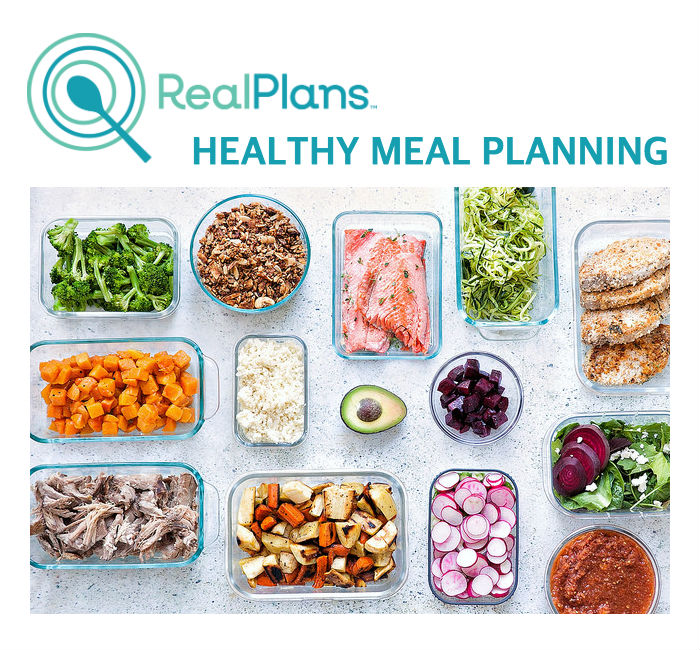
Meal preparation is an effective way to save time during the week, making it easier to stick to a healthy eating plan. Consider the following tips for successful meal prep:
“Batch cooking and preparing meals in advance can significantly reduce daily cooking time and increase adherence to meal plans.”
- Designate a Meal Prep Day: Choose a specific day, such as Sunday, to dedicate time to cooking and packing meals for the week.
- Invest in Quality Containers: Use airtight containers to store meals securely, ensuring longevity and freshness.
- Cook in Batches: Prepare large portions of versatile dishes such as soups, stews, or grains that can be easily reheated or repurposed.
- Pre-chop Vegetables: Chop vegetables ahead of time and store them in the fridge, ready to be used in meals or snacks.
- Label Meals: Use labels to identify meals and their expiration dates, which can help in managing meal freshness and variety.
Healthy Recipes for Meal Plans
Healthy meal plans are enriched with a variety of nutritious recipes that cater to diverse dietary needs and preferences. Incorporating these recipes can enhance meal variety while ensuring that essential nutrients are consumed. The following healthy recipes not only offer great taste but also align with various meal plans aimed at promoting overall health and wellness.When selecting recipes for healthy meal plans, it’s important to consider a balance of macronutrients, vitamins, and minerals.
Each recipe provided here includes preparation methods and cooking times, facilitating easy integration into daily routines.
Breakfast Recipes
Breakfast is often considered the most important meal of the day. Here are some healthy recipes to start your day off right:
Overnight Oats
Preparation Method: Combine rolled oats with almond milk, chia seeds, and your choice of fruits in a jar. Stir well and refrigerate overnight. Cooking Time: None, as it is a no-cook recipe.
Vegetable Omelette
Preparation Method: Whisk eggs and pour into a heated non-stick pan. Add diced tomatoes, spinach, and bell peppers. Cook until the eggs are set. Cooking Time: 10 minutes.
Smoothie Bowl
Preparation Method: Blend spinach, banana, and Greek yogurt until smooth. Pour into a bowl and top with granola and fresh berries. Cooking Time: 5 minutes.
Lunch Recipes
Eating a nutritious lunch can help maintain energy levels throughout the day. Consider these options:
Quinoa Salad
Preparation Method: Cook quinoa as per package instructions. Mix with cherry tomatoes, cucumber, feta cheese, and a drizzle of olive oil and lemon juice. Cooking Time: 20 minutes.
Grilled Chicken Wrap
Preparation Method: Grill chicken breast and slice. Wrap in a whole-grain tortilla with lettuce, avocado, and salsa. Cooking Time: 15 minutes.
Lentil Soup
Preparation Method: Sauté onions and garlic in a pot. Add lentils, diced carrots, and vegetable broth. Simmer until lentils are tender. Cooking Time: 30 minutes.
Dinner Recipes
Dinner can be a satisfying conclusion to your day, and these recipes provide a healthy end:
Baked Salmon
Preparation Method: Season salmon fillet with herbs and lemon juice, then bake at 375°F (190°C) for 15-20 minutes. Cooking Time: 20 minutes.
Stir-Fried Vegetables and Tofu
Preparation Method: Stir-fry diced tofu and assorted vegetables in sesame oil. Add soy sauce and cook until vegetables are tender. Cooking Time: 15 minutes.
Whole Wheat Pasta with Spinach Pesto
Preparation Method: Cook whole wheat pasta according to instructions. Blend spinach, garlic, nuts, and olive oil for the pesto. Combine with pasta. Cooking Time: 25 minutes.
Nutritional Breakdown of Selected Recipes
The following table offers a nutritional overview of some featured recipes, highlighting their contribution to a balanced diet.
| Recipe | Calories | Protein (g) | Carbohydrates (g) | Fat (g) |
|---|---|---|---|---|
| Overnight Oats | 300 | 10 | 50 | 8 |
| Vegetable Omelette | 250 | 18 | 6 | 20 |
| Quinoa Salad | 400 | 14 | 60 | 10 |
| Baked Salmon | 350 | 30 | 0 | 20 |
Utilizing these recipes in your meal planning can simplify healthy eating and provide essential nutrients to support your wellbeing. Each recipe has been designed to fit seamlessly into various dietary preferences and can be adapted according to individual tastes and nutritional goals.
Overcoming Challenges in Meal Planning: Healthy Meal Plans
Maintaining a healthy meal plan can be rewarding, but it also presents several challenges that individuals may encounter. Recognizing these obstacles and developing effective strategies to address them can lead to a more successful meal planning experience. This section discusses common difficulties faced in meal planning and practical solutions to enhance motivation and commitment.
Common Obstacles in Meal Planning
Meal planning can be hindered by various factors that may discourage individuals from maintaining their healthy eating habits. Here are some of the most prevalent challenges:
- Lack of Time: Many individuals struggle to find the time to plan, shop for, and prepare healthy meals amidst their busy schedules.
- Limited Knowledge: A lack of understanding about nutrition and meal preparation can lead to confusion and poor choices.
- Cost Concerns: The perception that healthy foods are more expensive can deter people from committing to a healthy meal plan.
- Boredom with Meals: Repetitive meals can lead to dissatisfaction, making it difficult to stick to a plan.
- Social Situations: Eating out or attending social gatherings can disrupt meal plans and tempt individuals to stray from their goals.
Practical Solutions for Staying Motivated, Healthy Meal Plans
Staying motivated in meal planning is essential for long-term adherence. Consider the following strategies to enhance your commitment:
- Set Realistic Goals: Establish achievable meal planning objectives that align with your lifestyle and preferences.
- Incorporate Variety: Experiment with new recipes and foods to prevent monotony and keep meals exciting.
- Create a Support System: Engage friends and family in your meal planning journey for encouragement and shared accountability.
- Use Technology: Utilize meal planning apps or online resources to simplify planning and organization.
- Celebrate Progress: Acknowledge small successes along the way, which can foster a sense of accomplishment and motivate continued effort.
Adapting Meal Plans for Dietary Restrictions and Preferences
Adapting meal plans to accommodate dietary restrictions or personal preferences is essential for a sustainable approach to healthy eating. Here are key considerations for effective adaptation:
- Understand Dietary Needs: Assess specific dietary restrictions, such as gluten intolerance, lactose intolerance, or veganism, to tailor meals accordingly.
- Explore Alternatives: Identify substitutes for restricted ingredients, like using cauliflower rice instead of white rice or almond milk in place of cow’s milk.
- Plan for Preferences: Incorporate individual tastes and preferences to create enjoyable meals, ensuring adherence to the plan.
- Stay Informed: Keep up-to-date with nutritional information about alternative foods and ingredients to make informed choices.
- Consult a Professional: For complex dietary needs, consider working with a registered dietitian to develop a balanced meal plan that meets all nutritional requirements.
Tools and Resources for Meal Planning
In today’s fast-paced world, effective meal planning is essential for maintaining a healthy diet. Utilizing the right tools and resources can significantly enhance the meal planning process, making it more efficient and enjoyable. This section explores various apps, websites, kitchen gadgets, and cookbooks that can support your healthy eating journey.
Apps and Websites for Meal Planning
Numerous digital platforms are available to assist with meal planning, making it easier to keep organized and inspired. Below is a curated list of popular apps and websites that facilitate meal planning.
- Mealime: This app allows users to create personalized meal plans based on dietary preferences and includes easy-to-follow recipes.
- Plan to Eat: A comprehensive meal planning tool that enables users to import recipes from anywhere on the web and create shopping lists.
- Yummly: Offers tailored recipe suggestions based on individual tastes and dietary needs, along with a shopping list feature for convenience.
- Eat This Much: An automatic meal planner that generates meal plans based on calorie goals and dietary preferences.
- Pinterest: While not exclusively a meal planning tool, it is a fantastic resource for discovering new healthy recipes and meal ideas.
Benefits of Meal Prep Containers and Kitchen Gadgets
Meal prep containers and kitchen gadgets play a vital role in simplifying the meal planning process. These tools not only help in organizing ingredients but also contribute to portion control, which is crucial for maintaining a balanced diet.
- Meal Prep Containers: These containers are designed for portioning meals, making it easy to prepare and store healthy dishes in advance. They often come in various sizes and are microwave and dishwasher safe, adding convenience to meal preparation.
- Measuring Cups and Spoons: Essential for ensuring accurate portion sizes and ingredient measurements, which is important for maintaining nutritional balance.
- Choppers and Slicers: Tools such as food processors and vegetable choppers save time in the kitchen by quickly preparing ingredients and ensuring even cooking.
- Slow Cookers and Instant Pots: These gadgets allow for hands-free cooking, enabling meal preparation with minimal active cooking time while producing nutritious, flavorful dishes.
Recommended Cookbooks for Healthy Eating
Cookbooks can be an invaluable resource for anyone looking to enhance their culinary skills while focusing on healthy eating. Here are a few highly recommended titles that provide nutritious recipes and meal ideas.
- The How Not to Die Cookbook: Written by Dr. Michael Greger, this cookbook includes recipes that promote a whole-food, plant-based diet aimed at improving health and preventing disease.
- Thug Kitchen: The Official Cookbook: Known for its humorous and engaging writing style, this cookbook provides a variety of healthy, vegan recipes that are accessible and easy to prepare.
- Clean Eats: By the founders of the popular blog, this book offers clean eating recipes that are easy to follow and designed for busy lifestyles.
- Joy of Cooking: A classic cookbook that includes a wide range of healthy recipes and cooking techniques suitable for all skill levels.
- The Complete Mediterranean Cookbook: This cookbook focuses on the health benefits of the Mediterranean diet, offering a plethora of wholesome and flavorful recipes.
Seasonal Adjustments to Meal Plans
Adjusting meal plans to reflect seasonal ingredients can enhance both the nutritional value and taste of your meals. By using fruits and vegetables that are in season, you can take advantage of their peak flavor and freshness while supporting local agriculture. Seasonal eating also encourages variety in your diet, as different fruits and vegetables become available throughout the year.Modifying meal plans based on seasonal availability involves selecting ingredients that are harvested at specific times of the year.
This practice not only promotes better health through the consumption of fresh produce but also reduces the carbon footprint associated with long-distance food transportation. Here are several effective ways to incorporate seasonal produce into your healthy meals:
Incorporating Seasonal Produce
Utilizing seasonal ingredients can lead to delicious and nutritious meals. Below are some examples of seasonal produce and ideas for their incorporation into meal plans:
- Spring: Asparagus, peas, and strawberries are abundant. Incorporate asparagus into stir-fries or salads, and enjoy strawberries in smoothies or as a breakfast topping.
- Summer: Tomatoes, zucchini, and blueberries are at their best. Use fresh tomatoes for salads or sauces, and add grilled zucchini to a quinoa bowl. Blueberries can enhance desserts or be blended into yogurt.
- Fall: Pumpkins, sweet potatoes, and apples become available. Roasted sweet potatoes make a hearty side, while pumpkin can be used in soups and baked goods. Apples are perfect for snacking or in salads.
- Winter: Kale, Brussels sprouts, and citrus fruits are in season. Add sautéed kale to omelets or grain bowls, and use Brussels sprouts in roasted vegetable medleys. Citrus fruits can brighten up any dish or serve as a refreshing snack.
Incorporating seasonal produce offers numerous environmental benefits. By choosing ingredients that are grown locally and harvested in their natural season, you reduce the reliance on imported produce, which often requires extensive transportation. This decreases greenhouse gas emissions and supports sustainable farming practices. Additionally, seasonal eating can preserve biodiversity by encouraging a wider variety of crops to be cultivated, which is crucial for maintaining ecological balance.
“Seasonal eating not only brings freshness to your plate but also plays a vital role in environmental sustainability.”
Family-Friendly Healthy Meal Plans
Creating a family-friendly healthy meal plan is essential for promoting good nutrition and fostering healthy eating habits among all family members. This approach not only ensures that meals are nutritious but also encourages family bonding through shared food experiences. By thoughtfully designing meal plans that cater to both adults and children, families can enjoy a variety of flavors and nutrients while maintaining the excitement of mealtime.When developing a meal plan that appeals to both adults and children, it is crucial to consider diverse tastes and dietary needs.
A well-balanced meal plan should incorporate proteins, whole grains, fruits, vegetables, and healthy fats that satisfy the whole family. Moreover, engaging family members in the meal preparation process can make meals more enjoyable and instill valuable cooking skills in children.
Involving Family Members in Meal Prep
Incorporating family members into the meal preparation process can enhance their connection to food and improve their willingness to try new dishes. Here are some effective strategies for involving everyone in the kitchen:
- Assign Age-Appropriate Tasks: Children can be given simple tasks such as washing vegetables, stirring ingredients, or setting the table, while adults handle more complex cooking techniques.
- Encourage Meal Planning Together: Involving the family in planning meals allows them to express their preferences and interests. This can lead to a more exciting and varied menu.
- Hold Themed Cooking Nights: Dedicate a night for each family member to choose a theme or cuisine, fostering creativity and exploration of new flavors.
- Make it Educational: Share cooking techniques and nutritional information during meal prep to enhance awareness and appreciation for healthy eating.
Incorporating Healthy Snacks
Healthy snacks are an integral part of daily meal planning, as they help maintain energy levels and prevent overeating during meal times. To effectively incorporate healthy snacks into daily routines, consider the following approaches:
- Prepare Snack Packs: Create individual portions of fruits, nuts, yogurt, or veggie sticks for easy grab-and-go options that are nutritious.
- Involve Kids in Snack Creation: Let children participate in making their own healthy snacks, such as assembling fruit kabobs or yogurt parfaits, to encourage healthier choices.
- Keep a Variety of Options Available: Stock the pantry and refrigerator with an assortment of healthy snacks to make it easier for family members to choose nutritious options over processed foods.
- Establish Regular Snack Times: Incorporate designated snack times into the daily routine, which can help prevent impulsive snacking and promote mindfulness around eating.
Evaluating the Effectiveness of a Meal Plan
Assessing the effectiveness of a meal plan is essential for ensuring that it meets individual health goals and dietary requirements. A well-structured evaluation process allows individuals to track their progress, make necessary adjustments, and stay motivated on their health journey. This segment discusses methods for monitoring outcomes and adapting meal plans to align with changing health objectives, along with the importance of professional guidance.
Methods for Tracking Progress
Monitoring progress is crucial for evaluating the effectiveness of a meal plan. Various methods can be employed to track dietary habits and health outcomes. Establishing a systematic approach to assessment can lead to more informed adjustments and improvements.
- Food Journals: Keeping a detailed food diary helps individuals record their daily intake, noting portion sizes and nutritional values. This practice can reveal patterns in eating habits and highlight areas for improvement.
- Regular Weigh-Ins: Tracking weight changes weekly or bi-weekly provides tangible evidence of the meal plan’s impact. It is important to consider weight fluctuations may occur naturally and should be evaluated over time.
- Health Measurements: Monitoring key health indicators, such as blood pressure, cholesterol levels, and glucose levels, offers a clearer picture of the meal plan’s effectiveness on overall health.
- Body Measurements: Measuring waist circumference, hip size, and body fat percentage can indicate changes in body composition, which is critical in assessing progress.
- Personal Reflection: Regularly reflecting on feelings of energy, mood stability, and overall well-being can provide subjective feedback on how the meal plan is affecting one’s life.
Adjusting Meal Plans Based on Health Goals
As individual health goals evolve, it is vital to adapt meal plans accordingly. Flexibility in meal planning enables individuals to respond to changing health needs, preferences, and lifestyle factors.
- Identifying New Goals: Setting new objectives, such as weight loss, muscle gain, or improved athletic performance, requires specific dietary adjustments. For instance, increasing protein intake may be beneficial for muscle growth.
- Caloric Needs Assessment: Evaluating caloric requirements based on activity levels and health goals allows for tailored meal portions. Tools like the Basal Metabolic Rate (BMR) and Total Daily Energy Expenditure (TDEE) calculators can be useful in determining these needs.
- Incorporating Feedback: Utilizing feedback from progress tracking can help identify which dietary changes are working or not. For example, if weight loss plateaus, it might be necessary to adjust macronutrient ratios or increase physical activity.
- Seasonal and Lifestyle Adjustments: Adapting meal plans to reflect seasonal food availability and personal lifestyle changes ensures sustainability. For example, incorporating fresh produce during the summer can enhance nutrient intake.
Importance of Seeking Professional Advice
While self-evaluation and adjustment are critical, seeking professional advice can provide valuable insights and guidance tailored to individual needs.
- Registered Dietitians: Consulting a registered dietitian can ensure that meal plans are nutritionally balanced and aligned with health goals. They can offer personalized recommendations and strategies for overcoming challenges.
- Medical Professionals: For individuals with specific health conditions, such as diabetes or heart disease, collaboration with healthcare providers is crucial for safe dietary modifications.
- Continuous Education: Nutrition is an evolving field, and professionals can help individuals stay informed about recent research and best practices in meal planning.
Outcome Summary
In summary, Healthy Meal Plans offer a comprehensive approach to nutrition that benefits both physical and mental health. By navigating the various types of meal plans and employing effective strategies, individuals can overcome challenges and create enjoyable meals that cater to their unique preferences and lifestyle. Embracing healthy eating is not just a diet; it’s a commitment to long-term well-being.
Popular Questions
What are the first steps to starting a healthy meal plan?
Begin by assessing your dietary needs and preferences, then create a list of healthy recipes that align with your goals.
How can I stay motivated while following a meal plan?
Set realistic goals, track your progress, and involve friends or family for support and accountability.
Are there any specific tools I need for meal planning?
Meal prep containers, grocery lists, and apps for tracking meals can greatly simplify the planning process.
Can I modify a meal plan if I have dietary restrictions?
Absolutely! Meal plans can be easily adjusted to accommodate allergies, intolerances, or dietary preferences by substituting ingredients as needed.
How often should I reevaluate my meal plan?
It’s advisable to review your meal plan every few weeks to ensure it continues to meet your changing health goals and lifestyle needs.