Fashion Styling Services Enhance Your Personal Style
Fashion Styling Services take center stage in today’s image-conscious world, offering tailored expertise to elevate personal and professional appearances. These services encompass a wide range of offerings, from personal styling to event and editorial styling, each designed to meet the unique needs of diverse clients. Whether one is preparing for a special occasion or seeking to refresh their everyday look, professional stylists provide invaluable support in navigating the ever-evolving landscape of fashion.
By understanding the intricacies of individual preferences and current trends, fashion styling services empower clients to express their unique identities while enhancing their confidence. With a focus on personalization, these services not only curate outfits but also foster a deeper understanding of personal style.


Overview of Fashion Styling Services
Fashion styling services encompass a range of professional offerings aimed at enhancing an individual’s personal aesthetic and overall presence through clothing and accessories. These services are vital in both personal and professional contexts, as they can significantly impact an individual’s confidence, first impressions, and social interactions. By curating outfits that align with a client’s personal style, body type, and lifestyle demands, fashion stylists help clients navigate the complexities of fashion, ensuring they look their best for various occasions.The fashion styling industry presents diverse types of services tailored to meet the unique needs of clients.
From personal shopping and wardrobe consultations to event styling and editorial work, each service plays a critical role in helping individuals express their identity and make informed fashion choices. Personal shopping services enable clients to receive tailored advice on purchases, while wardrobe consultations focus on maximizing the potential of existing clothing. Event styling is particularly crucial for those preparing for significant occasions, ensuring that every detail aligns with the desired aesthetic.
Types of Fashion Styling Services
Various fashion styling services cater to different segments of the market, each designed to meet specific client needs. Understanding these services helps individuals identify which offerings best suit their lifestyles and goals. The following are prominent types of fashion styling services available:
- Personal Styling: This service focuses on creating a cohesive personal style for an individual, taking into consideration their preferences, body shape, and lifestyle. Personal stylists often assist clients in selecting outfits for daily wear, ensuring they feel confident and stylish.
- Wardrobe Consulting: Wardrobe consultants analyze clients’ existing clothing to determine what pieces can be kept, tailored, or donated. This service promotes an organized and functional closet, allowing clients to make informed choices about their attire.
- Personal Shopping: Personal shoppers accompany clients on shopping trips or curate selections based on their specific needs. This service saves clients time and ensures they make purchases that align with their style and budget.
- Event Styling: For special occasions such as weddings, parties, or corporate functions, event styling services help clients choose outfits that fit the event’s theme and tone, ensuring they stand out and make a memorable impression.
- Editorial Styling: This service involves creating visually compelling looks for editorial shoots, campaigns, or fashion shows. Editorial stylists work closely with photographers and models to craft images that convey specific narratives or themes.
Fashion styling services attract a diverse target audience, each with distinct requirements. Professionals seeking to enhance their business image, individuals preparing for significant life events, and fashion enthusiasts aiming to refine their personal style can benefit from these services.
Fashion styling is not just about clothes; it’s about conveying a narrative and building confidence through personal expression.
Each of these groups often has unique challenges that fashion stylists can address, ranging from a lack of time to shop, uncertainty about current trends, or difficulty in selecting outfits that suit their body types. As such, fashion styling services play an essential role in supporting clients in their fashion journeys, ultimately enhancing their self-expression and confidence.
Types of Fashion Styling Services
Fashion styling encompasses a diverse range of services that cater to individual needs and occasions, enhancing personal expression through clothing and accessories. Each type of fashion styling service offers unique benefits and caters to different events, ensuring that clients feel confident and stylish in various contexts.
Personal Styling, Fashion Styling Services
Personal styling is a tailored service designed to help individuals curate their wardrobe, define their personal style, and enhance their overall appearance. This process begins with an in-depth consultation where the stylist assesses the client’s preferences, body type, color palette, and lifestyle needs. Following this assessment, the stylist may organize a wardrobe audit to identify pieces that work well and those that need to be updated or discarded.
The benefits of personal styling include:
- Enhanced Confidence: A personalized approach to fashion can significantly boost self-esteem by ensuring that clients wear outfits that complement their unique features.
- Time Efficiency: Professional stylists save clients time by selecting outfits for occasions or everyday wear, reducing the stress of decision-making.
- Informed Choices: Stylists educate clients on how to mix and match clothing and accessories, promoting a versatile wardrobe.
- Specialized Recommendations: Personal stylists offer insights on current trends and how to incorporate them into a client’s wardrobe while maintaining their individuality.
Event Styling
Event styling focuses on creating cohesive and visually appealing looks for special occasions such as weddings, parties, or corporate events. A stylist assesses the event theme, venue, and dress code to curate outfits that align with the client’s vision and the overall atmosphere.The significance of event styling is evident in its ability to:
- Create a Lasting Impression: A well-styled appearance at an event can leave a memorable impact, enhancing the client’s presence and confidence.
- Ensure Cohesion: Event stylists ensure that outfits are harmonious with the event’s theme and other attendees, contributing to a unified aesthetic.
- Manage Logistics: They take care of all styling details, from sourcing outfits to arranging fittings, allowing clients to focus on enjoying their event.
Editorial Styling
Editorial styling plays a crucial role in fashion publications and promotional campaigns, where stylists collaborate with photographers, models, and brands to create visually captivating images. This process often involves conceptualizing themes, selecting garments, and accessorizing to ensure that each element aligns with the intended narrative of the shoot.The function of editorial styling is highlighted by:
- Visual Storytelling: Stylists craft compelling narratives through clothing choices, allowing the audience to connect emotionally with the fashion being presented.
- Trend Setting: Editorial shoots often set the tone for upcoming fashion trends, influencing consumer behavior and industry standards.
- Brand Representation: Stylists work to reflect the brand’s identity and values through their selections, enhancing the brand’s image in the competitive market.
Benefits of Fashion Styling Services
Fashion styling services offer a multitude of advantages that not only elevate one’s personal image but also foster a sense of confidence and creativity in dressing. By leveraging the expertise of professional stylists, individuals can enhance their lifestyle through tailored fashion advice, saving time and maximizing wardrobe potential.
Enhancement of Personal Image and Confidence
Engaging a professional stylist helps individuals present their best selves through curated outfits that align with their personal style and body type. A well-fitted garment can significantly influence how one is perceived by others. The impact of a polished appearance extends beyond mere aesthetics; it fosters self-assurance and boosts confidence levels. Clients often report a newfound enthusiasm for social engagements and professional opportunities due to the elevated sense of self that accompanies a thoughtful, stylish wardrobe.
The right outfit can transform not just your look, but your entire outlook on life.
Time-Saving Advantages of Hiring a Professional Stylist
In today’s fast-paced world, time is a precious commodity. Engaging a fashion stylist can streamline the process of wardrobe management, allowing clients to focus on their personal and professional lives without the stress of daily outfit selection or shopping. Professionals are adept at quickly identifying key pieces that suit a client’s needs, saving significant hours that would otherwise be spent in stores or browsing online.Clients benefit from a well-organized wardrobe, where items are paired efficiently, reducing the time spent deciding what to wear.
A stylist can also assist in creating seasonal capsule wardrobes, ensuring that each piece is versatile and easily coordinated.
Improvement of Wardrobe Versatility and Creativity
Fashion styling services introduce an element of creativity that many individuals may lack when dressing themselves. Stylists provide new perspectives on mixing and matching existing pieces, showcasing the versatility of a wardrobe. This approach not only maximizes the value of previous purchases but also inspires clients to experiment with their style.Through personalized consultations, stylists encourage clients to think outside the box regarding their clothing choices.
Techniques such as layering, accessorizing, and color coordination are highlighted, allowing individuals to create multiple outfits from a limited selection of clothing. This not only enhances creativity but also promotes sustainable fashion practices by reducing the need for constant purchasing of new items.
Wardrobe versatility is not just about having many clothes; it’s about creatively utilizing what you already own.
Selecting the Right Fashion Stylist
Choosing the right fashion stylist is crucial for achieving your desired aesthetic and personal style. The ideal stylist should understand your vision while also bringing their expertise to elevate your wardrobe. It is essential to consider various factors that will ensure a successful stylist-client relationship.When evaluating potential fashion stylists, keeping a checklist of considerations can help streamline the selection process.
Focusing on compatibility, communication, and stylist experience is essential for fostering a productive partnership.
Checklist for Choosing a Fashion Stylist
Before finalizing your choice of a fashion stylist, it is important to assess various factors. The following checklist Artikels key considerations to ensure you choose a stylist who aligns with your personal needs and style goals:
- Experience and Expertise: Consider the stylist’s background, areas of expertise, and the types of clients they have worked with. A stylist with experience relevant to your needs will better understand your preferences.
- Personal Style Compatibility: Review the stylist’s aesthetic and ensure it resonates with your personal style. This alignment will lead to a more satisfying outcome.
- Client Testimonials and Reviews: Read feedback from previous clients to gauge the stylist’s professionalism, creativity, and effectiveness.
- Communication Skills: Evaluate how well the stylist listens to your ideas and articulates their vision. Effective communication is key to a successful collaboration.
- Portfolio Assessment: Analyze the stylist’s portfolio to understand their range of work and the results they have achieved for other clients.
“Selecting a stylist is not just about their skills; it’s about finding someone who understands and enhances your unique style.”
Importance of Stylist-Client Compatibility and Communication
Compatibility between the stylist and client plays a significant role in the styling process. A stylist who understands your personal style, preferences, and comfort level will be able to curate looks that resonate with your identity. Establishing a rapport can lead to more creative ideas and a collaborative atmosphere.Effective communication is also vital. A stylist should encourage open dialogue to ensure that your thoughts and feedback are valued.
This often results in a more tailored styling experience, with the stylist adapting their approach based on your responses, preferences, and comfort.
Value of Reviewing Stylist Portfolios and Past Work
Reviewing a stylist’s portfolio provides insight into their experience and creative capabilities. A well-curated portfolio showcases the stylist’s ability to adapt to different styles and aesthetics while highlighting their unique signature. It is beneficial to look for a variety of projects that illustrate versatility in styling.Examine the quality of their work, such as the diversity of clients, the success of their styling choices, and the overall presentation.
Consider previous case studies or before-and-after transformations to understand the stylist’s impact on their clients.
“A stylist’s portfolio is a reflection of their creativity and ability to translate individual vision into reality.”
In summary, a thoughtful approach to selecting a fashion stylist can significantly enhance your styling experience, ensuring the best possible outcome for your personal style journey.
The Process of Fashion Styling
The process of fashion styling encompasses several critical steps aimed at creating a personalized style that aligns with a client’s preferences, body type, and lifestyle. Understanding this process is essential for both clients and stylists, as it establishes a foundation for a successful partnership. The journey typically begins with an initial consultation, where the stylist gathers information about the client’s goals, preferences, and any specific needs.
This phase is crucial, as it sets the stage for the entire styling experience. Following this, the stylist prepares for the session by curating outfits and accessories that resonate with the client’s personal aesthetic.
Preparation for a Styling Session
Preparing for a styling session is vital for optimizing the experience and ensuring that the stylist can effectively cater to the client’s needs. Clients should take time to gather relevant items and information that will aid the stylist in understanding their personal style.This preparation might include:
- Personal wardrobe items that the client feels confident in, which can provide insights into their style preferences.
- Images or mood boards showcasing styles they admire or aspire to, which can help the stylist visualize the desired outcome.
- Details on their daily routines, including work environment and social events, to tailor outfits for various occasions.
- Information on body shape preferences, including any features they’d like to accentuate or downplay.
Initial Consultation Questions
During the initial consultation, it’s crucial for the stylist to ask targeted questions that will illuminate the client’s style preferences and lifestyle needs. These questions help in crafting a tailored styling plan.The following insights are typically gathered through structured inquiries:
- Understanding the client’s fashion inspirations, including favorite celebrities or influencers.
- Identifying any brands or styles that they gravitate towards, providing a clearer direction for the stylist.
- Discussing budget constraints to ensure that recommendations are feasible and appropriate for the client’s financial comfort.
- Evaluating the client’s wardrobe to pinpoint gaps or items that can be reimagined, thus creating a cohesive styling strategy.
“Effective communication during the initial consultation sets the tone for a successful styling collaboration.”
Fashion Trends and Styling Techniques
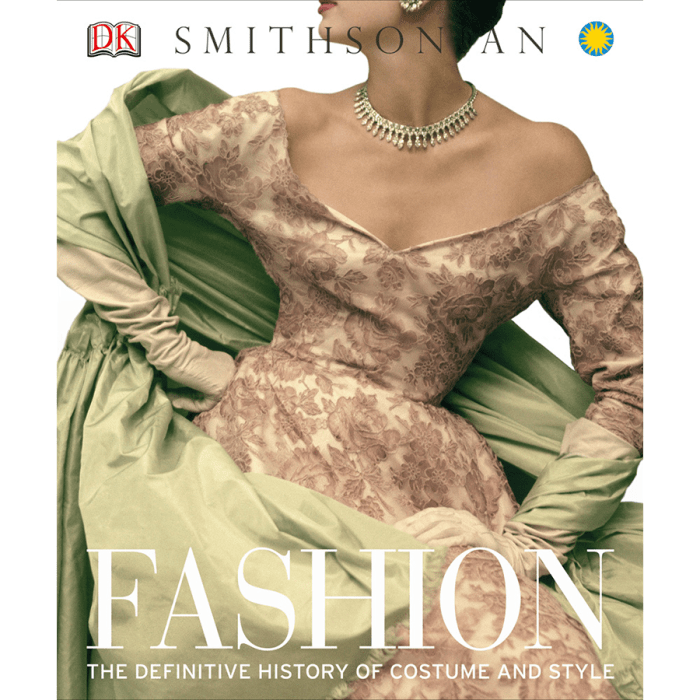
Current fashion trends are often influenced by cultural shifts, technological advancements, and the ever-evolving tastes of consumers. Stylists today integrate these trends into their services, ensuring that clients not only look stylish but also resonate with contemporary aesthetics. The incorporation of these trends allows for personalized expressions that cater to individual identities while maintaining a collective relevance within the fashion community.Innovative styling techniques are essential tools for professional stylists, enabling them to accentuate the unique features of different body types.
These methods can include strategic layering, the use of color theory, and the art of accessorizing. By understanding the nuances of each client’s physique, stylists can implement these techniques to enhance their clients’ appearances, promoting confidence and comfort in their personal style.
Current Fashion Trends
Several key trends currently dominate the fashion landscape, which stylists are eager to incorporate into their work. These trends include:
- Oversized Silhouettes: Baggy jeans, oversized blazers, and voluminous dresses have become staples, offering comfort alongside style.
- Sustainable Fashion: An increasing focus on eco-friendly materials and ethical manufacturing processes is shaping brands and consumer choices alike.
- Monochromatic Looks: Outfits in a single color palette create a streamlined appearance that is both chic and sophisticated.
- Statement Accessories: Bold jewelry, large handbags, and unique shoes are being used to elevate simple outfits and create focal points.
Innovative Styling Techniques
The application of innovative styling techniques can transform any outfit into a masterpiece tailored for different body shapes. Key techniques include:
- Layering: Skillful layering can create depth and interest in an outfit while allowing for versatile looks according to weather and occasion.
- Color Blocking: Utilizing contrasting colors helps define shapes and draw attention to desired areas, enhancing the overall silhouette.
- Accessorizing: The strategic use of accessories can elevate a basic outfit, providing a personalized touch that reflects the wearer’s individuality.
- Tailoring: Custom fitting garments ensures that they flatter the client’s body type, promoting a polished and professional look.
Examples of Successful Fashion Transformations
Fashion transformations serve as powerful testimonies to the impact of styling. Case studies include:
- Corporate Makeover: A client seeking a promotion received a wardrobe overhaul that included tailored suits and elevated business casual attire, resulting in her securing the desired position.
- Special Event Styling: A bride-to-be worked with a stylist to curate a collection of outfits for her wedding festivities, incorporating elements that highlighted her best features, which left her feeling radiant and confident on her special day.
- Everyday to Extraordinary: A client who primarily wore casual wear was guided to incorporate tailored pieces and statement accessories, transforming her day-to-day outfits into stylish ensembles that garnered compliments.
“Fashion is about dressing according to what’s fashionable. Style is more about being yourself.”
Oscar de la Renta
The Role of Technology in Fashion Styling: Fashion Styling Services
The intersection of technology and fashion styling has transformed how stylists and clients interact, making services more accessible and personalized. As social media continues to shape consumer preferences and behaviors, it significantly influences the fashion styling industry. This evolution is marked by the emergence of innovative tools and platforms that streamline the styling process and enhance user experiences.
Influence of Social Media on Fashion Styling
Social media platforms play a pivotal role in shaping fashion trends and consumer expectations. Stylists leverage these platforms to showcase their work, connect with potential clients, and stay updated on the latest trends. Fashion influencers and bloggers often serve as trendsetters, impacting consumer choices and driving engagement. The immediate feedback from followers allows stylists to adapt their offerings in real-time, ensuring they remain relevant in a rapidly changing industry.
Use of Virtual Styling Tools and Apps
The integration of virtual styling tools and mobile applications has revolutionized the fashion styling landscape. These tools enable stylists to create personalized looks for clients without the necessity of physical meetings. Virtual fitting rooms and augmented reality (AR) apps allow users to visualize clothing on themselves, enhancing the shopping experience. Popular apps like Stylebook and Cladwell help users organize their wardrobes and curate outfits based on their personal style and occasions.
Such technologies not only facilitate better decision-making but also reduce the number of returns, benefiting both clients and retailers.
Growth of Online Styling Services
The rise of online styling services reflects a significant shift in consumer behavior, with many clients now preferring the convenience of digital consultations over traditional in-person styling. This growth is driven by several factors, including the desire for personalized service, flexibility, and the ability to access a wider range of stylists. Online platforms like Stitch Fix and Trunk Club provide tailored styling solutions that cater to individual tastes and budgets, allowing for a more democratized approach to fashion.
This shift impacts traditional styling by fostering competition and encouraging in-person stylists to embrace technology, offering hybrid models that incorporate both online and offline services. The expansion of online styling services has enabled stylists to reach a broader audience, ultimately changing the dynamics of the fashion industry.
The fusion of technology and fashion styling not only enhances client experiences but also drives innovation within the industry.
Case Studies of Successful Fashion Styling
Fashion styling services have proven to be transformative for individuals seeking to enhance their personal and professional image. Numerous clients have experienced significant changes not only in their appearance but also in their confidence and overall life satisfaction. These case studies highlight the profound impact that expert styling can have on various aspects of a client’s life, illustrating the value of these services beyond mere aesthetics.One notable example is that of Emily, a corporate executive who sought styling assistance for an upcoming presentation and series of meetings.
Prior to working with a stylist, Emily struggled with her wardrobe choices, often feeling underdressed and less confident. Through a personalized styling session, Emily learned to select outfits that not only complemented her body type but also aligned with her professional goals. The stylist introduced her to tailored blazers, sophisticated blouses, and professional yet stylish footwear.
Transformation of Emily’s Wardrobe
The transformation process involved several key elements that contributed to Emily’s newfound confidence and success:
- Wardrobe Assessment: A thorough evaluation of Emily’s existing wardrobe revealed key pieces that could be revitalized and styles that needed to be updated.
- Personalized Styling Plan: The stylist created a bespoke plan tailored to Emily’s professional environment, ensuring every piece was both functional and fashionable.
- Shopping Experience: Accompanied by her stylist, Emily experienced a personalized shopping trip that introduced her to high-quality, versatile clothing that fit her new style.
- Confidence Building: Alongside the physical transformation, the stylist provided tips on how to carry herself with poise, further boosting Emily’s self-esteem.
The results were remarkable. Emily not only made a lasting impression during her presentation but also received positive feedback from colleagues and superiors. The boost in her confidence translated into improved performance at work, ultimately contributing to her promotion within the company.Another inspiring story is that of David, a freelance graphic designer who wanted to refresh his look for networking events.
Before engaging a fashion stylist, David often felt overshadowed by his peers due to his casual attire. He recognized that in his creative industry, personal style could play a crucial role in making connections and gaining new clients.
David’s Journey to a Professional Image
David’s journey involved several strategic steps that helped him to enhance his professional image:
- Style Exploration: Through consultations, David explored various style genres to discover what resonated with his personality while still appealing to his target audience.
- Color Palette Selection: The stylist introduced him to a color palette that not only complemented his skin tone but also conveyed creativity and professionalism.
- Accessory Coordination: Learning to select the right accessories, including bags and shoes, allowed David to elevate even the simplest outfits into polished ensembles.
- Wardrobe Diversification: David’s wardrobe was diversified with pieces that transitioned seamlessly from casual to professional, making him more adaptable for different events.
As a result of his styling experience, David found himself attracting more attention at networking events. His revitalized appearance led to increased interactions with potential clients, ultimately resulting in a significant boost in his freelance business.These case studies exemplify how fashion styling services can lead to profound transformations in individuals’ lives. By enhancing personal style, clients gain confidence, make stronger professional connections, and achieve their goals.
The positive outcomes experienced by Emily and David underline the importance of investing in expert fashion styling to unlock personal potential and success.
As seasons change, so do the styles that dominate the fashion landscape. Staying informed about Seasonal Fashion Trends can empower you to make thoughtful choices in your clothing selections. By embracing these trends, you can ensure that your wardrobe remains fresh and relevant, reflecting not only the current climate but also your personal flair.
Challenges in Fashion Styling Services
Fashion styling services, while rewarding, come with a unique set of challenges that stylists and clients often encounter throughout the styling process. These challenges can range from communication barriers to unrealistic expectations, impacting the overall experience and outcome. Understanding these difficulties is essential for both stylists and clients to navigate the fashion landscape effectively.One of the main challenges faced by stylists is managing client expectations, which can sometimes be misaligned with current trends or personal style.
Additionally, clients may experience insecurities regarding their body image or style choices, leading to hesitations in fully embracing the stylist’s recommendations. To address these issues, an open dialogue between stylists and clients is crucial, fostering a trusting environment where preferences and concerns can be openly discussed.
Overcoming Style-Related Insecurities
Addressing insecurities is vital for a successful styling experience. Many clients struggle with perceptions of their bodies and may feel uncertain about trying new styles. To alleviate these concerns, stylists can implement several strategies:
- Encourage positive self-talk: Reminding clients of their strengths and unique features can boost their confidence.
- Showcase diverse body types: Presenting examples of diverse body shapes and sizes can help clients see that style is attainable for everyone.
- Foster an inclusive environment: Creating a welcoming atmosphere where clients feel safe to express their insecurities can significantly improve their comfort level.
- Utilize visualization tools: Tools such as digital fittings or mood boards can help clients visualize their new looks without feeling overwhelmed.
Strategies for Staying Updated with Trends and Client Preferences
To remain relevant in the ever-evolving fashion industry, stylists must continually update their knowledge of trends and client preferences. Effective strategies include:
- Follow fashion influencers and industry leaders: Engaging with content from influential figures can provide insights into emerging trends.
- Attend workshops and seminars: Participating in industry events allows stylists to learn about new techniques and network with other professionals.
- Utilize social media: Platforms such as Instagram and Pinterest are valuable resources for discovering trends and understanding client interests.
- Conduct regular client feedback sessions: Gathering feedback helps stylists understand what clients appreciate and what adjustments may be necessary.
“Fashion is about dressing according to what’s fashionable. Style is more about being yourself.”
High-end fashion represents the pinnacle of elegance and style, offering exclusive designs and luxury materials. For those looking to explore the latest innovations in this field, visit our section on HighEnd Fashion to uncover captivating collections that set trends worldwide. Understanding these sophisticated garments can greatly enhance your personal wardrobe while showcasing your unique taste.
Oscar de la Renta
Future of Fashion Styling Services
The fashion styling industry is on the brink of transformation, driven by emerging trends, sustainability initiatives, and shifting consumer demands. As we look towards the future, it is essential to explore how these factors will shape the landscape of fashion styling services in the coming years.Sustainability is becoming a cornerstone of fashion practices, influencing how stylists curate wardrobes and make fashion choices.
The need for environmentally conscious styling has led to a growing emphasis on ethical sourcing, upcycling, and minimalism. The demand for transparency in the fashion supply chain is prompting stylists to work closely with brands that align with these values, which ultimately shapes the client’s styling experience.
Emerging Trends in Fashion Styling
Fashion styling is evolving rapidly, and several trends are likely to play a significant role in shaping the future of the industry. These trends include the following:
- Personalization: Clients are increasingly seeking tailored experiences, prompting stylists to adopt a more individualized approach. This involves understanding client preferences and incorporating unique elements that resonate with their personal style.
- Virtual Styling: The integration of technology enables stylists to offer services remotely. Virtual consultations and digital lookbooks are becoming commonplace, allowing clients to access styling services from anywhere in the world.
- Inclusivity: The demand for diverse representation in fashion is reshaping styling practices. Stylists are now prioritizing inclusivity by creating looks that cater to a wider range of body types, skin tones, and cultural backgrounds.
- Technology Integration: Advancements in AI and data analytics are providing stylists with insights into consumer behavior, enabling more informed decisions when crafting looks for clients.
Sustainability in Fashion Styling Practices
Sustainability is no longer just a buzzword; it is a fundamental aspect of modern fashion styling. The shift towards eco-friendly practices is influencing the way stylists source and curate outfits. Notable practices include:
- Thrifting and Vintage: Stylists are increasingly incorporating thrifted and vintage pieces into their styling, promoting a circular fashion economy and reducing waste.
- Ethical Brands: Collaborating with brands that prioritize sustainable production and ethical labor practices is becoming essential for stylists looking to align with environmentally conscious clients.
- Education and Awareness: Stylists are now playing a crucial role in educating clients about the impact of their fashion choices, advocating for a more sustainable approach to personal style.
Anticipated Evolution of Client Demand
As consumer awareness of sustainability and ethical practices grows, client demands for styling services are evolving in several ways:
- Focus on Quality: Clients are shifting their focus from quantity to quality, favoring investment pieces that offer longevity over fast fashion items.
- Demand for Unique Experiences: The desire for unique and memorable styling experiences is pushing stylists to innovate and offer bespoke services that stand out in a saturated market.
- Integration of Digital Tools: Clients expect stylists to leverage technology for convenience, whether through virtual consultations, mobile apps for outfit planning, or personalized online shopping experiences.
As the fashion styling industry embraces these emerging trends and shifting client demands, the future looks promising for stylists who adapt to the changing landscape.
Last Recap
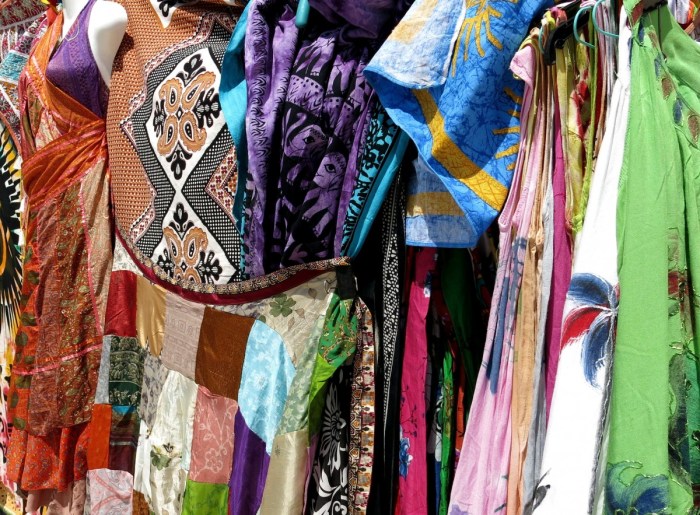
In conclusion, Fashion Styling Services play a pivotal role in shaping the way individuals perceive themselves and present their best selves to the world. As the industry continues to evolve, staying attuned to emerging trends and client needs will ensure that these services remain relevant and impactful. By embracing the art of styling, clients can unlock new levels of creativity and self-expression, paving the way for transformative experiences that extend beyond mere clothing choices.
FAQ Guide
What types of clients can benefit from fashion styling services?
Fashion styling services cater to a wide array of clients, including individuals preparing for special events, professionals seeking to enhance their workplace image, and anyone interested in refining their personal style.
How much do fashion styling services typically cost?
Costs for fashion styling services can vary widely based on the stylist’s experience, location, and the specific services provided, ranging from hourly rates to package deals.
Can fashion styling services be conducted virtually?
Yes, many fashion stylists now offer virtual styling services, leveraging technology to provide personalized consultations and styling advice remotely.
How long does a typical styling session last?
A typical styling session can last anywhere from one to three hours, depending on the scope of the services required and the individual client’s needs.
What should I prepare for my first styling consultation?
For your first consultation, it is helpful to prepare a list of your style goals, images of looks you admire, and any specific concerns or preferences regarding your wardrobe.