Fashion Accessories Enhance Personal Style Effortlessly
Fashion Accessories take center stage as essential elements in enhancing personal style and refining outfits. These items, ranging from jewelry to bags, play a pivotal role in not only completing an ensemble but also expressing individuality. The evolution of fashion accessories across different eras has seen a dynamic shift, reflecting cultural changes and personal preferences, making them a fascinating subject for exploration.
From classic pieces that have stood the test of time to innovative designs that capture contemporary trends, understanding the types and significance of fashion accessories provides valuable insights for anyone looking to elevate their fashion game. Whether it’s a statement necklace or a carefully chosen handbag, each accessory adds a layer of complexity and charm to personal style.
Introduction to Fashion Accessories
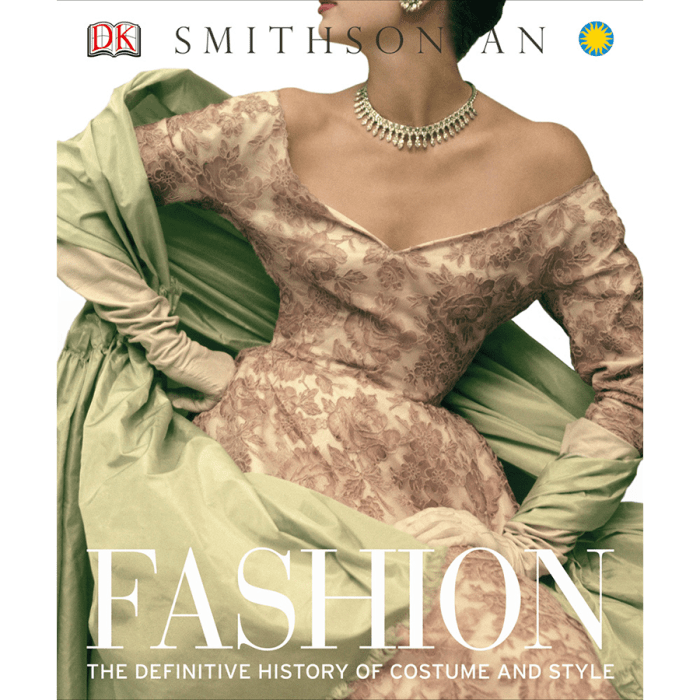
Fashion accessories play a crucial role in enhancing personal style and completing an outfit. These items, which include jewelry, bags, belts, hats, and scarves, serve not only a functional purpose but also contribute significantly to the overall aesthetic of an ensemble. Accessories allow individuals to express their unique fashion sense while adding flair to their attire.The evolution of fashion accessories can be traced back through various eras, each marked by distinct styles and cultural influences.
Engaging in Yoga classes offers a wonderful opportunity to foster both physical and mental wellness. This practice not only improves posture and flexibility but also promotes relaxation and mindfulness. Complementing your yoga practice with regular chiropractic services can maximize your health benefits, creating a harmonious balance in your body and mind.
In ancient civilizations, accessories such as brooches, necklaces, and rings were often made from precious metals and stones, signifying wealth and status. The Renaissance period saw a surge in the decorative use of accessories, with elaborate designs reflecting the artistic movements of the time. As fashion continued to evolve into the 20th century, accessories became more accessible and varied, incorporating modern materials and innovative designs.
This shift allowed individuals from diverse backgrounds to experiment with their styles, further solidifying the importance of accessories in fashion.
Significance of Fashion Accessories in Personal Style Expression
Fashion accessories serve as vital tools for personal expression, allowing individuals to convey their tastes, personality, and mood through their choices. The selection of accessories can transform a simple outfit into a statement piece. For instance, a classic little black dress can take on entirely different personas with the addition of various accessories, such as bold statement jewelry, a chic handbag, or a stylish hat.
Understanding the importance of accessories can guide individuals in making informed choices. The following points illustrate how accessories contribute to personal style:
- Versatility: Accessories can easily transition outfits from day to night, adapting to various occasions.
- Individuality: Unique accessories enable individuals to showcase their personal style, making fashion a form of self-expression.
- Layering and Texture: Accessories add depth and interest to an outfit, enhancing visual appeal through contrast in texture and color.
- Cultural Significance: Certain accessories carry cultural meanings, allowing wearers to connect with their heritage or express solidarity with specific communities.
By thoughtfully selecting and combining accessories, individuals can create distinctive looks that reflect their identity and elevate their overall style.
Types of Fashion Accessories
Fashion accessories play a crucial role in enhancing one’s style and personal expression. They not only complement an outfit but also serve practical purposes, making them essential elements in the world of fashion. Understanding the various types of fashion accessories can help individuals make informed choices that reflect their personality and lifestyle.Fashion accessories can be categorized into several types, each serving a unique function and aesthetic purpose.
Below are some of the most common types of fashion accessories, along with examples of unique items that have recently gained popularity.
Common Fashion Accessories
The diversity of fashion accessories allows individuals to express their creativity and enhance their overall appearance. Here are some common types of accessories:
- Jewelry: This includes items such as necklaces, bracelets, earrings, and rings. Jewelry can range from delicate pieces made of precious metals to statement items featuring bold designs and colorful gemstones. For instance, oversized hoop earrings have made a significant comeback, adding a trendy touch to various outfits.
- Bags: Bags serve both functional and stylistic purposes, with styles ranging from handbags and totes to clutches and backpacks. Recently, mini bags have gained popularity, becoming a fashionable choice for those looking to make a statement without carrying bulky luggage.
- Belts: Traditionally used to hold up pants, belts are now often worn as fashion statements that can cinch the waist and add flair to any outfit. Wide, statement belts with unique buckles are particularly trendy, often used in layered looks.
- Scarves: Scarves are versatile accessories that can be worn in various ways, whether tied around the neck, as a headband, or even as a bag accessory. Printed silk scarves have become popular for adding a touch of elegance and sophistication to outfits.
- Hats: From sun hats to beanies, hats are functional fashion accessories that can elevate any ensemble. Bucket hats have surged in popularity, particularly among younger demographics, thanks to their casual and laid-back style.
Unique Accessories in Current Trends
In addition to classic accessories, unique items have emerged in recent years, reflecting changing tastes and fashion sensibilities. Some notable examples include:
- Hair Clips: Decorative hair clips with intricate designs or embellishments have become a favorite among fashion enthusiasts, often used to enhance hairstyles while adding an element of style.
- Layered Necklaces: The trend of layering multiple necklaces, often of varying lengths and styles, has gained traction, allowing individuals to personalize their look extensively.
- Chain Belts: Popularized by many fashion influencers, chain belts are often used to accentuate the waist over dresses or oversized tops, providing a chic and edgy vibe.
Accessory Categorization by Purpose
Categorizing fashion accessories based on their purpose is essential for understanding when and how to wear them. The following table illustrates common accessories and their suitable contexts:
| Accessory Type | Casual | Formal |
|---|---|---|
| Jewelry | Simple stud earrings, casual bracelets | Diamond rings, elegant necklaces |
| Bags | Crossbody bags, totes | Clutches, evening bags |
| Belts | Casual leather belts, fabric belts | Formal leather belts, decorative statement belts |
| Scarves | Casual cotton or printed scarves | Silk scarves, embellished shawls |
| Hats | Baseball caps, casual beanies | Fedoras, elegant sun hats |
Fashion accessories are not just embellishments; they are essential components of personal expression and style.
The Impact of Fashion Accessories on Fashion Trends
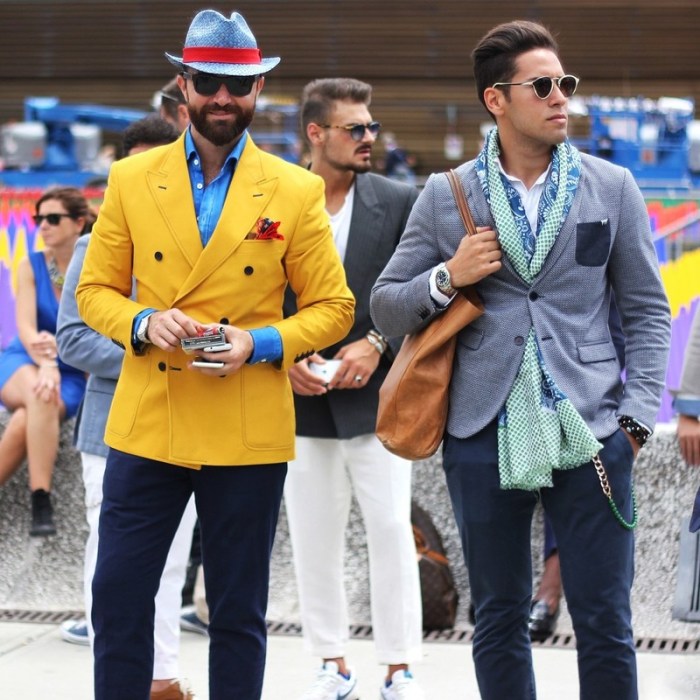
Fashion accessories play a crucial role in shaping and influencing overall fashion trends across various markets. By adding distinctive elements to outfits, accessories not only enhance personal style but also reflect cultural and societal shifts. The interplay between accessories and fashion trends can be seen in how they evolve and adapt, influencing consumer choices, designer collections, and ultimately, the fashion industry at large.Accessories serve as both functional and aesthetic additions to clothing, making them influential in setting trends.
Items such as handbags, jewelry, belts, and scarves can elevate an outfit from ordinary to extraordinary. Designers often look to accessories as a canvas for showcasing their creativity and innovation, leading to the emergence of new trends. For instance, during fashion weeks, accessory trends frequently unveil a new style direction that resonates with the audience and is quickly adopted by retailers and consumers.
Influence of Designers on Accessory Trends, Fashion Accessories
The relationship between fashion designers and accessory trends is characterized by a dynamic exchange of ideas and inspirations. Designers leverage accessories to express seasonal themes and artistic concepts, which subsequently influence market trends. Notable designers like Chanel and Gucci have introduced iconic accessories that have become staples in the fashion industry. The impact of designer collections on accessories can be summarized as follows:
- Signature Items: Designers often create signature accessories—such as the Chanel No. 5 bottle or the Gucci belt—that become synonymous with their brand identity, leading to widespread consumer demand.
- Seasonal Trends: Each season, designers unveil new accessory lines that often dictate upcoming trends, influencing what styles consumers will seek out in retail settings.
- Collaborations: Collaborations between designers and accessory brands frequently produce limited-edition items that garner significant attention and shape consumer preferences.
Impact of Social Media on Accessory Popularity
Social media has profoundly transformed the landscape of fashion accessories, acting as a catalyst for trend dissemination and popularity. Platforms like Instagram and TikTok have created a space where influencers and users showcase their styles, making accessories central to many fashion conversations. This visibility significantly impacts consumer behavior and trend adoption.The role of social media in popularizing accessories includes:
- Influencer Marketing: Influencers often partner with accessory brands to showcase new collections, driving engagement and purchase intentions among their followers.
- Viral Trends: Social media can propel certain accessories into the spotlight, leading to viral trends that dictate what consumers want to wear and buy.
- User-generated Content: Consumers sharing their looks online contribute to the recognition of particular accessories, reinforcing their desirability and encouraging others to incorporate them into their wardrobes.
“The accessibility of platforms like Instagram has turned fashion accessories into instant symbols of status and style, reshaping the way trends are formed and spread.”
Thus, fashion accessories not only complement outfits but also act as pivotal elements in the fashion ecosystem, influencing trends and consumer behaviors significantly.
How to Choose the Right Accessories
Choosing the right accessories is a vital aspect of completing any outfit. Accessories can elevate a look, add personal flair, and express individuality. Understanding how to select the appropriate pieces based on the outfit and occasion is essential for achieving a polished and cohesive appearance.When selecting accessories, several factors come into play to ensure they harmonize with your clothing style and overall aesthetic.
These include color coordination, proportion, material, and the occasion. Attention to these details will enhance your styling efforts and create a visually appealing look.
Factors to Consider When Selecting Accessories
To effectively choose the right accessories, consider the following factors:
- Color Coordination: Ensure the colors of your accessories complement or contrast effectively with your outfit. For instance, if wearing a neutral outfit, a pop of color through accessories can add excitement.
- Proportion: Consider the scale of the accessories in relation to your body type and outfit. For example, larger accessories tend to work well with simple, fitted clothing, whereas delicate pieces may complement more elaborate outfits.
- Material: The material of the accessories should reflect the season and the fabric of your clothing. For example, lightweight fabrics like cotton pair well with casual accessories, while heavier materials such as leather are suitable for more formal attire.
- Occasion: Accessories should be appropriate for the event. Casual gatherings allow for playful and bold choices, while formal events call for more understated and elegant options.
Step-by-Step Guide on Matching Accessories with Different Clothing Styles
Matching accessories to various clothing styles requires careful consideration. Follow these guidelines for different outfits:
- Casual Outfits: Pair simple jewelry, such as stud earrings or a delicate necklace, with denim or cotton outfits. A stylish crossbody bag or a pair of chic sneakers can enhance the casual vibe.
- Office Attire: For professional settings, opt for classic pieces such as a structured handbag and minimalistic jewelry. A silk scarf can be a sophisticated addition to a blazer.
- Evening Wear: Statement pieces, such as bold earrings or an eye-catching clutch, can elevate a little black dress or an elegant gown. Choose accessories that add sparkle or texture without overwhelming the outfit.
- Sporty Looks: For activewear, consider functional yet stylish accessories like a fitted watch or a sporty backpack. Brightly colored sneakers can also add flair while remaining practical.
- Bohemian Styles: Layering different textures and materials works well with bohemian outfits. Think about chunky jewelry, woven bags, and scarves to complement flowing fabrics and vibrant prints.
“The right accessories not only complete an outfit but also reveal the personality and style of the wearer.”
Sustainable Fashion Accessories
Sustainable fashion represents an approach to design and production that minimizes environmental impact while promoting ethical practices. This concept is increasingly relevant in the realm of fashion accessories, as consumers become more conscious of their choices and the ecological footprint of their purchases. Sustainable accessories not only reflect an individual’s style but also their commitment to a more responsible and eco-friendly lifestyle.The relevance of sustainable fashion to accessories lies in the materials used and the production processes adopted.
Many brands are now focusing on reducing waste and utilizing resources more efficiently. Eco-friendly materials such as organic cotton, recycled plastics, and biodegradable substances are gaining popularity in accessory design. These materials allow for the creation of stylish products without compromising on the principles of sustainability. The following are some of the notable eco-friendly materials that are becoming prevalent in accessory production:
Eco-Friendly Materials in Accessory Design
Understanding the materials that contribute to sustainable fashion accessories is crucial for both designers and consumers. The following materials are leading the way in eco-friendly accessory design:
- Organic Cotton: Grown without harmful chemicals or pesticides, organic cotton is a sustainable alternative to conventional cotton. It is often used in bags, scarves, and other fabric-based accessories.
- Recycled Materials: Accessories made from recycled plastics or metals help reduce waste and promote circular fashion. For instance, some brands produce bags and jewelry from recycled ocean plastics.
- Bamboo: Known for its rapid growth and minimal resource needs, bamboo is used to create eco-friendly sunglasses and jewelry, offering a stylish yet sustainable option.
- Vegan Leather: Alternatives to animal leather, such as those made from pineapple leaves (Pinatex) or apple peels, provide cruelty-free options for bags and footwear.
- Biodegradable Materials: Many brands are experimenting with materials that naturally decompose, such as those derived from natural fibers and plant-based substances, reducing their long-term environmental impact.
Leading the way in sustainable accessory production are several brands that have integrated eco-conscious practices into their core missions. These brands not only manufacture accessories that are stylish and functional but also prioritize sustainability at every step of their supply chains. Some noteworthy examples include:
Brands Leading Sustainable Accessory Production
The commitment of brands to sustainability is reflected in their innovative approaches and product offerings. Here are a few leading brands in sustainable accessory production:
- Matt & Nat: Renowned for their vegan leather bags and accessories, Matt & Nat utilizes recycled plastic bottles in their production process, exemplifying the principles of sustainability.
- Rothy’s: This brand produces stylish footwear and bags from recycled materials, particularly plastic water bottles, and highlights the importance of sustainable practices in the fashion industry.
- Everlane: Everlane is dedicated to transparency and ethical manufacturing, offering a range of accessories crafted from high-quality, sustainable materials.
- Allbirds: Well-known for their sustainable footwear, Allbirds also offers accessories made from natural and renewable materials, reinforcing their commitment to environmental stewardship.
- Naadam: Focusing on ethically sourced materials, Naadam creates accessories that support sustainable cashmere farming practices, contributing to both fashion and environmental sustainability.
Accessorizing for Different Occasions
When it comes to dressing for various events, the right accessories can elevate any look, making it more appropriate and stylish. Accessories are crucial in expressing personal style, and they can also enhance the overall outfit, providing that essential finishing touch. This guide Artikels how to choose accessories for different occasions such as weddings, parties, and casual outings, complete with examples and comparisons of styles suitable for day versus night events.
Choosing Accessories for Weddings
Weddings are often formal events that call for elegant and sophisticated accessories. It is important to coordinate your accessories with the attire while considering the wedding’s theme and time of day. For instance, pairing a classic pearl necklace with a beautiful gown can be a timeless choice. If the wedding is more contemporary, modern geometric earrings may complement a sleek dress.
Accessory Pairings for Weddings
The following examples illustrate suitable accessory pairings for weddings:
- Long flowing gown: Diamond drop earrings, a delicate bracelet, and a clutch.
- A-line dress: A statement necklace, matching stilettos, and a satin handbag.
- Beach wedding attire: Floral crown, minimalist gold jewelry, and wedges.
Accessorizing for Parties
Parties often allow for more creativity and personal expression in accessory choices. The goal is to stand out while maintaining elegance. When attending a cocktail party, bold statement pieces can help you shine. For a casual gathering, playful and colorful accessories can reflect your personality.
Chiropractic services play a crucial role in enhancing overall well-being by alleviating pain and improving mobility. By seeking professional help, individuals can experience significant improvements in their daily activities. Additionally, incorporating Yoga classes into your routine can further enhance flexibility and mental clarity, creating a comprehensive approach to health.
Accessory Pairings for Parties
Consider these accessory pairings for different types of parties:
- Cocktail dress: Bright statement earrings, layered bracelets, and a chic clutch.
- Casual outfit: Funky bangles, a colorful scarf, and trendy sneakers.
- Formal event: Elegant cuff links, a sleek watch, and a leather portfolio.
Accessorizing for Casual Outings
Casual outings provide an opportunity to embrace comfort while still looking fashionable. Accessories should be chosen to enhance the outfit without overpowering it.For a day out shopping or a lunch date, opting for simpler accessories can create a relaxed yet stylish appearance.
Accessory Pairings for Casual Outings
Here are some accessory combinations for casual outings:
- Jeans and a t-shirt: Minimalist hoop earrings, a crossbody bag, and slip-on shoes.
- Summer dress: A wide-brimmed hat, layered necklaces, and espadrilles.
- Active wear: A sporty watch, a fanny pack, and breathable sneakers.
Day vs. Night Accessory Styles
The choice of accessories often varies significantly between day and night events. The following table Artikels key differences in accessory styles suitable for these occasions:
| Time of Day | Accessory Styles | Examples |
|---|---|---|
| Day | Light, simple, and functional | Stud earrings, casual watches, tote bags |
| Night | Bold, statement-making, and dramatic | Chandelier earrings, clutch bags, metallic jewelry |
Choosing the right accessories can transform an ordinary outfit into an extraordinary one, reflecting not only the occasion but also your unique style.
DIY Fashion Accessories
Creating your own fashion accessories allows for a unique expression of personal style while also being a sustainable choice. By utilizing everyday materials, you can craft items that are not only aesthetically pleasing but also meaningful, as they reflect your individuality. Engaging in DIY projects fosters creativity and provides a fulfilling sense of accomplishment after completing a handcrafted piece.The following section provides a detailed tutorial for making a stylish fabric bracelet using scrap materials.
This project is a practical example of how you can transform simple items into fashionable accessories.
Fabric Bracelet Tutorial
This tutorial Artikels the steps to create a trendy fabric bracelet from leftover fabric scraps. The project is straightforward and requires minimal supplies, making it accessible for beginners. Materials Needed:
- Scrap fabric (cotton, linen, or any soft material)
- Scissors
- A ruler
- A needle and thread (or fabric glue)
- A clasp (optional)
- A pencil for marking
Step-by-Step Instructions:
1. Prepare the Fabric
Measure and cut the fabric into strips. Each strip should be approximately 1 inch wide and 10-12 inches long, depending on your wrist size. For a more textured look, you can cut multiple strips in different colors and patterns.
2. Prepare the Strips
If using multiple strips, tie the ends of each strip together to form a bunch. This will allow for easy braiding.
3. Braid the Strips
Braid the strips together tightly until you reach the desired length. Ensure that the braid is neat and compact to create a polished look.
4. Finish the Ends
Tie a knot at the end of the braid to secure it. If desired, sew or glue a clasp onto the ends for easy fastening.
5. Personalize Your Bracelet
Consider adding embellishments such as beads, charms, or buttons to enhance the design further. This step allows you to inject more of your personality into the accessory.The DIY fabric bracelet exemplifies the benefits of personalizing accessories. Creating items from scratch enables you to choose colors, patterns, and embellishments that resonate with your individual style, setting your accessory apart from mass-produced options.In addition to the creative aspect, personalizing fashion accessories can evoke sentimental value.
For instance, using fabric from a cherished garment can turn a simple bracelet into a meaningful keepsake, enhancing its emotional significance. Thus, DIY fashion accessories not only provide a canvas for personal expression but also foster connections to memories and experiences.
The Future of Fashion Accessories
The future of fashion accessories is poised for a transformative journey, driven by technological advancements, shifting cultural landscapes, and evolving consumer preferences. As society adapts to new realities, the fashion accessories market is likely to reflect these changes, presenting new opportunities and challenges for designers and consumers alike.Emerging trends and technologies such as augmented reality (AR), artificial intelligence (AI), and sustainable materials are redefining the landscape of fashion accessories.
The integration of these innovations is not only enhancing the functionality of accessories but also offering unique ways for consumers to engage with fashion.
Emerging Trends and Technologies
Several trends and technological advancements are anticipated to shape the future of fashion accessories. These developments are significant in understanding the direction of the accessory market.
- Smart Accessories: Devices such as smartwatches and augmented reality glasses are becoming increasingly popular, allowing users to stay connected while making a style statement. These accessories can track health metrics and provide notifications, merging fashion with functionality.
- Sustainable Materials: Consumers are becoming more environmentally conscious, leading to a rise in the use of eco-friendly materials like recycled plastics and organic fabrics. Brands that prioritize sustainability are likely to attract a loyal customer base.
- Customization and Personalization: Consumers are seeking unique items that reflect their personal identities. Technologies such as 3D printing enable the mass customization of accessories, allowing individuals to design pieces tailored to their tastes.
- Virtual Fashion Shows: As the fashion industry embraces digital transformation, virtual showrooms and fashion shows are set to redefine how accessories are marketed. This shift allows for a broader audience reach while reducing traditional barriers.
Cultural shifts are significantly influencing both the design and choice of fashion accessories. As society becomes more diverse and inclusive, designers are increasingly incorporating a variety of styles, materials, and cultural motifs into their accessory lines. This emphasis on representation not only acknowledges global cultures but also caters to a wider range of consumer preferences.
Cultural Influences on Accessory Design
The following factors illustrate how cultural shifts are impacting fashion accessory design:
- Globalization: Cultural exchange is more pronounced than ever, leading to hybrid designs that blend traditional craftsmanship with contemporary aesthetics. Accessories are increasingly showcasing global influences, enriching the fashion tapestry.
- Inclusivity: As conversations around body positivity and diversity gain momentum, accessory brands are expanding their offerings to include a wider range of sizes, styles, and cultural representations, ensuring that everyone can find pieces that resonate with their identity.
- Social Movements: Advocacy and activism have influenced accessory design, often incorporating messages of empowerment or sustainability. Accessories like statement jewelry or bags with slogans can serve as platforms for social commentary.
While the future of fashion accessories holds promise, potential challenges could hinder growth in the market. These challenges relate to consumer behavior, environmental concerns, and economic factors that may impact production and sales.
Potential Challenges in the Accessory Market
Understanding the challenges that lie ahead is essential for anticipating the direction of fashion accessories.
- Market Saturation: As more brands enter the market, distinguishing oneself can become challenging. Brands must continuously innovate to capture consumer attention in an overcrowded space.
- Sustainability Pressures: As demand for sustainable products increases, brands may face difficulties in sourcing sustainable materials or maintaining ethical production practices, which can impact pricing and supply chains.
- Economic Fluctuations: Economic downturns can influence consumer spending habits, particularly for luxury accessories. Brands must adapt their strategies to maintain relevance during challenging economic climates.
“The future of fashion accessories is not only about aesthetics but also about integrating technology and sustainability into the very fabric of design.”
Summary
In conclusion, fashion accessories are more than mere add-ons; they are crucial components of self-expression and fashion trends. Their ability to transform an outfit and make a statement underscores their importance in the world of style. As we look to the future, the integration of sustainability and innovative design will continue to shape the landscape of fashion accessories, ensuring they remain relevant and inspiring for generations to come.
FAQ Overview
What are some timeless fashion accessories?
Timeless fashion accessories include classic pearl earrings, leather handbags, and silk scarves that never go out of style.
How can I find my unique style with accessories?
Experimenting with different colors, materials, and styles can help you discover what resonates with your personal aesthetic.
Are there any must-have accessories for every wardrobe?
Essential accessories typically include a versatile handbag, a statement necklace, and a classic belt that can elevate various outfits.
How do I care for fashion accessories?
Proper care involves cleaning them regularly, storing them in a safe place, and avoiding exposure to harsh chemicals to maintain their quality.
What role does social media play in accessory trends?
Social media platforms significantly influence accessory trends, with influencers showcasing styles that quickly gain popularity and drive consumer interest.