Acupuncture Services Enhancing Wellbeing and Balance
Acupuncture Services are increasingly recognized for their profound impact on health and wellness, inviting individuals to explore the ancient practice that harmonizes the mind and body. With its origins rooted in Traditional Chinese Medicine, acupuncture is not merely a healing art; it is a holistic approach that has gained traction in modern healthcare, illustrating its relevance and effectiveness in diverse medical contexts.
This therapeutic technique involves inserting fine needles at specific points on the body to stimulate energy flow, promoting healing and alleviating various ailments. As acupuncture evolves, it continues to address the complexities of physical and mental health challenges faced in today’s fast-paced world.
Introduction to Acupuncture Services
Acupuncture is a time-honored technique rooted in traditional Chinese medicine, focusing on the strategic insertion of thin needles into specific points on the body to facilitate healing and promote overall well-being. With evidence tracing back over 2,500 years, this ancient practice has gained recognition across the globe, evolving from its traditional origins to a widely accepted complementary therapy in modern healthcare settings.The principles behind acupuncture treatment are based on the concept of Qi (pronounced “chee”), which refers to the vital energy that flows through pathways, known as meridians, in the body.
Disruptions or imbalances in the flow of Qi can lead to various health issues. Acupuncture aims to restore harmony by stimulating the body’s natural healing processes, enhancing circulation, and alleviating pain. Clinical studies have shown that acupuncture can effectively address a range of conditions, including chronic pain, stress, digestive issues, and more, underscoring its role in holistic healthcare.
Growth of Acupuncture Services in Modern Healthcare
The integration of acupuncture into modern healthcare has expanded significantly, with increasing acceptance among both patients and healthcare providers. This growth can be attributed to several factors, including:
- Scientific Validation: Research has provided evidence supporting the efficacy of acupuncture, leading to its endorsement by health organizations worldwide.
- Patient Demand: As individuals seek alternative treatments for chronic pain and other ailments, the popularity of acupuncture has surged.
- Insurance Coverage: More insurance plans are beginning to cover acupuncture treatments, making them more accessible to the general public.
- Complementary Treatment Options: Many healthcare practitioners incorporate acupuncture as part of a comprehensive treatment strategy, enhancing patient outcomes.
The acceptance of acupuncture as a legitimate medical treatment is evident in various healthcare settings, from hospitals to wellness clinics. Moreover, education and training for practitioners have evolved, ensuring that practitioners are well-equipped to provide safe and effective care. For those considering acupuncture, it is essential to seek licensed and experienced acupuncturists, ensuring adherence to professional standards and practices.
“Acupuncture is not only a treatment method but a pathway to achieving holistic wellness.”
Types of Acupuncture Treatments
Acupuncture is a diverse practice that encompasses various techniques and methodologies, each tailored to address specific health concerns. This ancient healing art, rooted in Traditional Chinese Medicine, has evolved to incorporate modern techniques that enhance its effectiveness in treating a multitude of conditions.The range of acupuncture treatments includes traditional practices that utilize fine needles to stimulate specific points on the body, as well as contemporary methods that integrate technology and modern understanding of physiology.
Below are key acupuncture techniques that exemplify the breadth of this therapeutic approach.
Traditional Acupuncture Techniques
Traditional acupuncture primarily involves the insertion of thin needles into specific points along the body’s meridians to balance the flow of energy, known as Qi (pronounced “chee”). This method aims to restore harmony and promote natural healing. Commonly treated conditions include pain management, stress reduction, and digestive disorders.
Modern Acupuncture Techniques
Modern acupuncture techniques have expanded the traditional framework, introducing innovative methods such as dry needling and electro-acupuncture. These contemporary practices are designed to target muscular pain and neurological conditions, offering patients varied avenues for treatment.
Specific Acupuncture Methods
Understanding specific acupuncture methods can enhance patient awareness and treatment choices. Below are descriptions of noteworthy techniques:
- Dry Needling: This method involves inserting needles into muscle trigger points to relieve tension and pain. It is often used by physical therapists and has gained popularity for its effectiveness in treating musculoskeletal issues.
- Electro-Acupuncture: In this technique, a small electrical current is applied to needles placed in acupuncture points. This method is believed to enhance the effects of traditional acupuncture, particularly for pain relief and inflammation reduction.
- Auricular Acupuncture: This specialized practice focuses on the ear, which is considered a microsystem reflecting the entire body. It is frequently used for addiction treatment and pain management.
- Scalp Acupuncture: Utilizing points on the scalp, this method is aimed at treating neurological conditions and promoting cognitive function. It is particularly beneficial for patients recovering from strokes.
Comparison of Acupuncture Types
To better understand the differences and applications of various acupuncture techniques, the following table Artikels different types of acupuncture along with their specific uses:
| Type of Acupuncture | Description | Common Uses |
|---|---|---|
| Traditional Acupuncture | Insertion of needles into meridian points to balance Qi. | Pain relief, stress management, digestive issues. |
| Dry Needling | Targets muscle trigger points to relieve tension. | Musculoskeletal pain, sports injuries. |
| Electro-Acupuncture | Application of electrical currents to needles. | Pain relief, inflammation reduction. |
| Auricular Acupuncture | Focus on ear points to reflect body systems. | Addiction treatment, anxiety, pain management. |
| Scalp Acupuncture | Needling points on the scalp for neurological conditions. | Stroke recovery, cognitive enhancement. |
Acupuncture techniques, whether traditional or modern, provide a comprehensive approach to health that can be adapted to individual needs, ensuring a personalized treatment experience.
Benefits of Acupuncture
Acupuncture is a time-honored practice rooted in traditional Chinese medicine, known for its ability to promote healing and balance within the body. As patients explore acupuncture services, they often find a range of benefits that positively impact both their physical and mental health.Acupuncture is primarily recognized for its effectiveness in pain management and enhancing overall physical mobility. By targeting specific points within the body, acupuncture promotes increased blood circulation and the release of endorphins, which can significantly alleviate discomfort and improve functional movement.
Additionally, it serves as a holistic approach to various ailments, offering a non-invasive alternative to pharmaceuticals.
Physical Health Benefits
The physical health benefits of acupuncture extend to a variety of conditions. Notably, it has been shown to effectively manage pain in areas such as:
- Chronic back pain
- Arthritis-related discomfort
- Neck pain
- Headaches and migraines
- Joint pain from sports injuries
Acupuncture also plays a role in enhancing mobility, particularly for individuals with restricted movement due to injury or chronic conditions. By encouraging relaxation of tense muscles and improving joint function, many patients experience an increased range of motion and a renewed sense of physical freedom.
Mental Health Benefits
In addition to its physical advantages, acupuncture has significant mental health benefits that contribute to overall well-being. Regular acupuncture sessions can lead to:
- Reduction of stress levels
- Management of anxiety symptoms
- Improved mood and emotional balance
- Enhanced quality of sleep
- Support in managing depressive symptoms
The practice of acupuncture helps stimulate the body’s natural relaxation response, which assists in lowering cortisol levels and promoting a sense of calm. Patients often report a clearer mind and improved emotional resilience following their treatments.
In today’s health-conscious world, organic supplements have gained significant attention for their potential benefits in enhancing overall well-being. These natural products can support various aspects of health, from boosting energy levels to improving digestion. Additionally, incorporating expert guidance through Nutrition Coaching can further personalize your approach, ensuring that your dietary choices align with your health goals.
Common Conditions Treated with Acupuncture
Acupuncture is utilized to address a variety of health concerns, making it a versatile treatment option. The following list Artikels common conditions that can benefit from acupuncture services:
- Pain management (back pain, neck pain, joint pain)
- Digestive disorders (irritable bowel syndrome, nausea)
- Respiratory issues (asthma, allergies)
- Menstrual and reproductive health issues (PMS, infertility)
- Neurological conditions (migraines, tension headaches)
Acupuncture represents a comprehensive approach to health care, addressing both the physical and emotional aspects of well-being. By integrating these treatments into their health routines, individuals may find substantial improvements in their quality of life.
Nutrition is the cornerstone of a healthy lifestyle, and effective Nutrition Coaching can make a substantial difference in achieving your wellness objectives. By focusing on individualized dietary plans, this coaching empowers individuals to make informed choices. Moreover, complementing these efforts with organic supplements can provide essential nutrients, enhancing the overall effectiveness of your health journey.
The Acupuncture Process

Acupuncture is a holistic treatment that involves a series of precise steps designed to promote healing and balance within the body. Understanding the acupuncture process is essential for patients unfamiliar with this practice, as it demystifies the treatment and highlights its therapeutic potential. This guide Artikels what patients can expect before, during, and after an acupuncture session, as well as the significance of thorough patient evaluation and assessment.Patient evaluation and assessment are crucial components of the acupuncture process.
Practitioners begin by gathering detailed health histories to understand each patient’s unique needs and conditions. This evaluation helps identify the specific points to target during treatment, ensuring that the therapy is tailored to the individual. Comprehensive assessments may include discussions about symptoms, lifestyle, and emotional state, allowing practitioners to create a focused treatment plan.
The Steps Involved in a Typical Acupuncture Session
Before a session, patients are encouraged to prepare by avoiding heavy meals, alcohol, and caffeine. Wearing loose, comfortable clothing can also facilitate the treatment. Upon arrival, the practitioner will conduct an initial consultation to discuss the patient’s health concerns. During the session, the following steps are typically observed:
- The practitioner will explain the treatment plan and address any concerns the patient may have.
- Patients will be guided to a comfortable treatment area where they can relax.
- The practitioner will clean the skin and insert sterilized, fine needles at specific acupuncture points.
- Patients will remain still and relaxed for about 20 to 40 minutes, allowing the needles to work.
- After the appropriate time, the practitioner will gently remove the needles and discuss any post-treatment recommendations.
After the treatment, patients may experience immediate relaxation or a sense of well-being. It is common to feel a range of sensations, from mild heaviness at the needle sites to a sense of warmth or energy flow. Patients are advised to drink plenty of water and take note of any changes they feel in their bodies in the following days.
“Acupuncture is not just about alleviating symptoms; it is a pathway to restoring the body’s natural balance.”
Safety and Considerations
Acupuncture is widely recognized for its therapeutic benefits; however, it is essential to prioritize safety and hygiene when receiving treatment. Understanding the safety protocols, potential side effects, and contraindications helps patients make informed decisions and ensures a positive experience.In acupuncture services, strict adherence to safety protocols and hygiene practices is vital to protect both the patient and the practitioner. This includes the use of sterile needles, proper disposal methods, and maintaining a clean treatment environment.
Practitioners are trained to follow these protocols to minimize any risk associated with the procedure.
Safety Protocols and Hygiene Practices
Maintaining high standards of hygiene is crucial in acupuncture. Practitioners should follow specific protocols, which include:
- Utilizing single-use, sterile needles to prevent infection and cross-contamination.
- Regularly sanitizing treatment tables and surfaces before and after each session.
- Wearing disposable gloves during treatment to ensure cleanliness.
- Providing a clean and comfortable environment for patients by ensuring that linens and equipment are regularly washed and sterilized.
Potential Side Effects and Contraindications
While acupuncture is generally safe, there are potential side effects and contraindications to consider. Patients should be aware of the following:
- Minor bruising or soreness at the needle insertion sites, which typically resolves quickly.
- Possible dizziness or fainting, particularly if the patient is anxious or has not eaten prior to treatment.
- In rare cases, infections can occur if sterile techniques are not followed.
- Patients with bleeding disorders or those taking blood thinners should consult their healthcare provider before undergoing acupuncture.
- Pregnant women should avoid certain acupuncture points that may induce labor.
Do’s and Don’ts for Patients Considering Acupuncture
Understanding the best practices before and after acupuncture treatment can enhance the experience and results. Below is a guide to the do’s and don’ts for patients:
| Do’s | Don’ts |
|---|---|
| Arrive well-hydrated and nourished to avoid dizziness. | Don’t consume heavy meals or alcohol shortly before your session. |
| Communicate openly with your practitioner about your health history and any concerns. | Don’t hesitate to stop treatment if you experience discomfort or adverse effects. |
| Wear loose, comfortable clothing to facilitate needle placement. | Don’t engage in strenuous activities immediately after treatment. |
| Follow post-treatment care instructions provided by your practitioner. | Don’t ignore or delay follow-up appointments if recommended. |
Prioritizing safety and understanding the considerations associated with acupuncture can lead to a more effective and beneficial experience.
Finding Qualified Acupuncture Practitioners
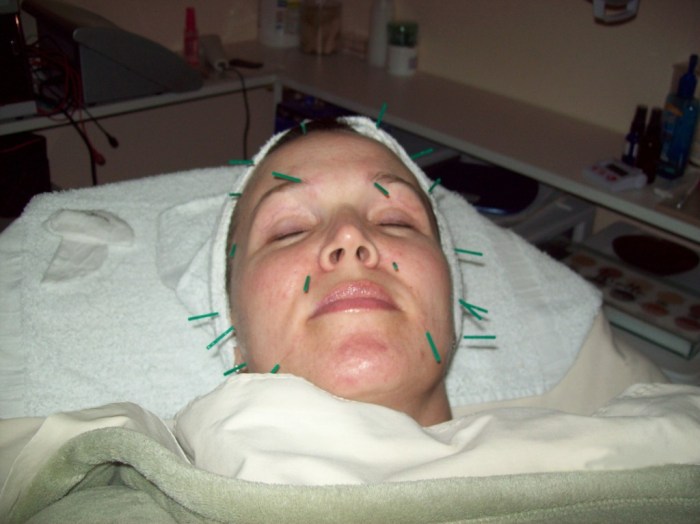
The selection of a qualified acupuncturist is a critical aspect of ensuring effective treatment and a positive healthcare experience. Acupuncture, being a specialized field within traditional Chinese medicine, requires practitioners to undergo extensive training and obtain the necessary certifications. Understanding the criteria for selecting a licensed acupuncturist will empower patients to make informed decisions about their healthcare.Identifying a licensed and qualified acupuncturist involves several key criteria that should guide your selection process.
These criteria include educational background, licensing, professional affiliations, and patient reviews.
Criteria for Selecting a Licensed Acupuncturist
When searching for a qualified practitioner, consider the following essential criteria:
- Educational Qualifications: Verify that the acupuncturist has received formal education from an accredited institution, focusing on acupuncture and traditional Chinese medicine.
- Licensing: Ensure the practitioner is licensed by the relevant regulatory board in your region, which typically involves passing a national or state examination.
- Professional Affiliations: Look for memberships in professional organizations, such as the National Certification Commission for Acupuncture and Oriental Medicine (NCCAOM), which signifies adherence to high standards of practice.
- Experience: Inquire about the practitioner’s experience, particularly in treating conditions similar to yours, as specialized experience can enhance treatment outcomes.
- Patient Reviews: Research online reviews and testimonials from previous patients to gauge their experiences and satisfaction with the practitioner’s care.
Resources for Verifying Practitioner Credentials
Verifying the credentials of an acupuncturist is crucial for ensuring safety and effectiveness in treatments. Several resources can assist patients in this process:
- State Licensing Boards: Most states have a regulatory board that maintains records of licensed practitioners. Patients can visit these websites to check for valid licenses.
- NCCAOM: The National Certification Commission for Acupuncture and Oriental Medicine offers a certification verification tool on its website, allowing patients to confirm whether their acupuncturist holds national certification.
- Professional Associations: Many professional organizations provide directories of certified practitioners, which can be useful for finding qualified acupuncturists in your area.
Importance of Practitioner-Patient Rapport
The relationship between the practitioner and the patient significantly impacts the efficacy of acupuncture treatments. A strong rapport fosters trust and open communication, which can enhance the overall treatment experience.
“A positive practitioner-patient relationship can empower patients, encouraging them to openly discuss their symptoms and concerns, ultimately leading to tailored treatments that better address individual needs.”
Effective communication allows practitioners to better understand their patients’ conditions and preferences, leading to more personalized care. Furthermore, patients who feel comfortable with their acupuncturist are more likely to adhere to treatment plans and maintain regular appointments, which can enhance the therapeutic outcomes of acupuncture. In summary, selecting a licensed acupuncturist based on established criteria, verifying credentials through reliable resources, and prioritizing practitioner-patient rapport are vital steps toward achieving successful acupuncture treatments.
Acupuncture in Different Cultures
Acupuncture, a practice rooted in ancient traditions, varies significantly across cultures. Its origins in Traditional Chinese Medicine (TCM) highlight a comprehensive system that integrates various therapeutic modalities. However, as the practice has spread globally, it has adapted and evolved, leading to distinct methodologies and interpretations in different cultural contexts.The variations of acupuncture practices can be traced back to their cultural roots, with Traditional Chinese Medicine laying the foundation.
In TCM, acupuncture is part of a broader holistic approach that includes herbal medicine, dietary therapy, and Qi Gong. Practitioners of TCM view acupuncture as a means to balance the body’s energy, or Qi, by stimulating specific points along meridian pathways. The ancient techniques often involve the use of thin, sterilized needles strategically inserted into the skin to alleviate various physical and emotional ailments.
Contemporary Adaptations in Western Medicine
In recent decades, acupuncture has gained popularity in Western medicine, which has led to the development of contemporary adaptations. Western practitioners often employ acupuncture as a complementary therapy, integrating it into treatment plans for pain management and rehabilitation. The approach tends to focus on a more mechanistic understanding, where the insertion of needles is seen as a way to stimulate the nervous system and promote physiological responses.The following points illustrate the distinctions between traditional and contemporary acupuncture practices:
- Traditional Chinese acupuncture emphasizes the flow of Qi and its balance, whereas contemporary practices often prioritize anatomical and physiological responses.
- Ancient techniques typically utilize a broader range of needle types and insertion methods, while modern acupuncture may favor standardized needles and protocols.
- In TCM, a diagnosis may involve pulse and tongue analysis, whereas Western adaptations often rely more on patient history and symptom presentation.
- Traditional practitioners may incorporate additional TCM modalities, such as moxibustion and cupping, while Western methods may focus solely on needling techniques.
Cultural beliefs significantly influence acupuncture practices. In cultures where TCM originated, there is a deep-rooted understanding of the body’s interconnectedness and the importance of balance. This philosophical outlook shapes the way practitioners approach diagnosis and treatment. Conversely, in Western contexts, the growing acceptance of acupuncture within mainstream medicine reflects a shift towards evidence-based practices. This has led to increased research into the efficacy of acupuncture, utilizing randomized controlled trials to validate its benefits.
“Acupuncture is not merely a treatment; it is a reflection of the cultural heritage and medical philosophies from which it originates.”
Overall, while acupuncture retains its core principles, the ways in which it is practiced and understood differ markedly across cultures, illustrating the adaptability and enduring significance of this ancient healing art.
Future Trends in Acupuncture Services
The field of acupuncture is experiencing a transformative evolution, driven by emerging research and advancements in techniques that enhance its efficacy. As the global health landscape shifts towards integrative practices, acupuncture is finding deeper roots in mainstream healthcare. The following sections explore these trends and highlight anticipated changes in acupuncture practices over the next decade.
Emerging Research and Advancements in Techniques, Acupuncture Services
Recent studies have shed light on the physiological mechanisms behind acupuncture, including its effects on the nervous system and the release of neurotransmitters. Techniques such as electroacupuncture, which combines traditional acupuncture with electrical stimulation, are gaining popularity for their ability to amplify treatment effects. Furthermore, advancements in needle technology, such as the development of ultra-thin needles, are making procedures more comfortable and effective for patients.The integration of acupuncture into mainstream healthcare is being facilitated by a growing body of evidence supporting its efficacy for various conditions.
Insurance companies are increasingly beginning to cover acupuncture treatments, reflecting a shift in perception regarding its role. Healthcare practitioners are collaborating with acupuncturists to create comprehensive treatment plans that incorporate both Eastern and Western medicine approaches.To better understand the future landscape of acupuncture services, the following points Artikel anticipated changes in practices over the next decade:
- Increased integration with conventional medical practices, leading to interdisciplinary collaborations.
- Growth of telehealth services offering virtual acupuncture consultations and treatment recommendations.
- Expanding research on acupuncture’s effectiveness for mental health issues, including anxiety and depression.
- Development of personalized acupuncture treatment plans based on genetic and biometric data.
- Enhanced training programs for practitioners that emphasize evidence-based practices and innovative techniques.
- Advancements in technology for remote acupuncture therapy, leveraging devices that mimic needle stimulation.
- Greater emphasis on patient education and self-care strategies, empowering individuals to manage their health.
- Expansion of community acupuncture clinics, making treatments more accessible and affordable.
The ongoing collaboration between researchers, practitioners, and policymakers will undoubtedly shape the future of acupuncture, fostering a more integrated, evidence-based approach to complementary healthcare.
Final Review
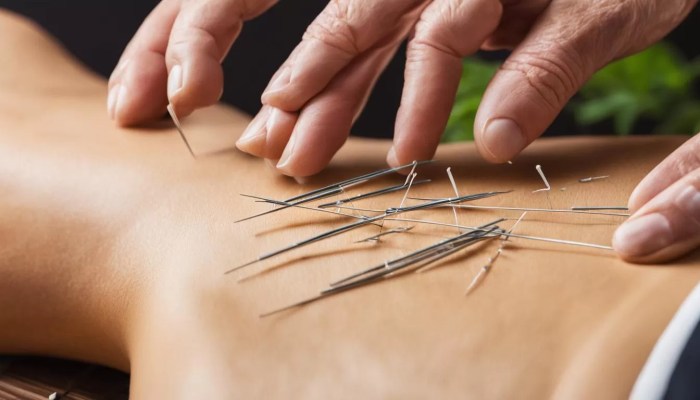
In conclusion, Acupuncture Services offer a unique avenue for individuals seeking relief from various health issues while enhancing overall wellbeing. Beyond its traditional roots, the practice has integrated into modern healthcare, promising a future where ancient wisdom meets contemporary medical advancements. Embracing acupuncture could be the gateway to a balanced and healthier life.
Essential FAQs: Acupuncture Services
What conditions can acupuncture treat?
Acupuncture can treat a variety of conditions, including chronic pain, migraines, anxiety, insomnia, and digestive issues.
Is acupuncture safe?
When performed by a qualified practitioner, acupuncture is generally safe with minimal side effects.
How many sessions of acupuncture are typically required?
The number of sessions varies by individual and condition, but many patients benefit from a series of treatments over weeks or months.
Does acupuncture hurt?
Most patients experience minimal discomfort during needle insertion, often describing it as a slight tingling or mild sensation.
How should I prepare for my first acupuncture session?
It’s recommended to wear loose clothing, avoid heavy meals before the session, and communicate any health concerns with your acupuncturist.