Personal Training Services Tailored to Your Needs
Personal Training Services offer a unique approach to fitness that emphasizes personalized guidance and support. In today’s world where health and wellness are paramount, the need for tailored training programs has never been more crucial. A personal trainer not only provides expertise and motivation but also designs individualized programs that address specific fitness goals, ensuring clients achieve optimal results.
From one-on-one sessions to group classes and online coaching, personal training encompasses a variety of formats that cater to diverse preferences and lifestyles. Each service type brings its own advantages, making it essential for individuals to consider their unique needs when choosing a personal training program.
Introduction to Personal Training Services
Personal training services encompass a personalized approach to fitness, aimed at helping individuals achieve their health and wellness goals through tailored exercise programs and nutritional guidance. The significance of personal training lies in its ability to provide expert advice, motivation, and accountability, which can significantly enhance the results of one’s fitness journey.Personal training services can take various forms, including one-on-one sessions, group training, online coaching, and specialized programs targeting specific needs such as weight loss, muscle gain, or rehabilitation.
Each type offers unique advantages, catering to different preferences and lifestyles, ensuring that everyone can find an option that fits their specific requirements.
Types of Personal Training Services
The diversity of personal training services allows clients to choose the format that best suits their lifestyle and fitness objectives. The following sections Artikel the major types of personal training services available:
- One-on-One Training: This service includes individualized attention from a trainer, allowing for a customized workout plan that targets personal fitness goals.
- Group Training: Group sessions bring together multiple clients, fostering a sense of community and motivation while often being more cost-effective than private training.
- Online Coaching: Virtual training offers flexibility, allowing clients to work with trainers remotely, which can be particularly beneficial for those with busy schedules.
- Specialized Programs: These programs focus on specific goals such as strength training, athletic conditioning, or rehabilitation, providing targeted support and expertise.
Benefits of Hiring a Personal Trainer
Engaging the services of a personal trainer presents numerous advantages over self-training. The expertise and guidance provided by trainers can lead to more effective and efficient workouts, thereby maximizing results.
- Personalized Fitness Plans: Trainers create customized workout and nutrition plans tailored to individual goals, fitness levels, and preferences.
- Motivation and Accountability: Regular sessions with a trainer can motivate clients to stay consistent and committed to their fitness journey.
- Proper Technique and Safety: Trainers educate clients on correct exercise techniques, reducing the risk of injury and ensuring safe practices during workouts.
- Progress Tracking: Personal trainers monitor progress and make necessary adjustments to fitness plans, ensuring continuous improvement and adaptation to changing goals.
“The right personal trainer can make a significant difference in achieving fitness goals, turning aspirations into reality through expert guidance and support.”
Different Types of Personal Training

Personal training has evolved significantly over the years, catering to various preferences and lifestyles. Understanding the different types of personal training formats allows individuals to select a program that best aligns with their fitness goals, schedules, and personal preferences. This section explores the main formats of personal training, highlighting their effectiveness and specialized programs designed for specific needs.
Formats of Personal Training
Personal training can be categorized into several formats, each offering distinct benefits. The primary formats include one-on-one training, group training, and online coaching.
- One-on-One Training: This traditional format involves a personal trainer working individually with a client. It provides tailored workouts, personalized attention, and direct feedback, making it highly effective for those with specific goals or health concerns.
- Group Training: This format consists of multiple clients participating in a workout session led by a trainer. It promotes a sense of community and can often be more cost-effective. Group training sessions can be highly motivating and offer a diverse range of exercises.
- Online Coaching: With the rise of technology, online personal training has become increasingly popular. Clients receive customized workout plans and guidance through virtual platforms, allowing for flexibility and accessibility, especially for those with busy schedules.
Effectiveness of In-Person Training Versus Virtual Sessions
The effectiveness of personal training can differ significantly between in-person and virtual sessions. In-person training provides immediate interaction and adjustments, which can enhance performance and reduce the risk of injury. Trainers can observe form and technique closely, offering real-time corrections. On the other hand, virtual sessions offer convenience and flexibility. Clients can train from the comfort of their homes while still benefiting from expert guidance.
However, the lack of physical oversight can sometimes result in incorrect form or technique, which is why ensuring a good communication channel with the trainer is crucial.
“Ultimately, the choice between in-person and virtual training should be based on individual preferences, learning styles, and logistical considerations.”
Specialized Training Programs
Specialized training programs target specific fitness goals or populations, offering tailored approaches to meet unique needs. Common specialized programs include sports-specific training, rehabilitation, and weight loss management.
- Sports-Specific Training: This program focuses on enhancing performance in a particular sport. Trainers design workouts that improve strength, agility, and endurance tailored to the demands of the sport.
- Rehabilitation Training: Designed for individuals recovering from injury or surgery, this program emphasizes safe, gradual progression back to full activity. Trainers often collaborate with healthcare professionals to ensure effective recovery.
- Weight Loss Programs: These programs integrate exercise with nutrition guidance to help clients achieve sustainable weight loss. Trainers use a combination of cardiovascular, strength training, and nutritional strategies tailored to each client’s unique circumstances.
Choosing the Right Personal Trainer
Selecting the right personal trainer is a crucial step in achieving your fitness goals. The effectiveness of your training program is significantly influenced by the expertise, style, and approach of your trainer. This guide aims to provide essential criteria to help you make an informed decision in choosing a personal trainer who aligns with your aspirations and needs.
Checklist for Evaluating Personal Trainers
When evaluating potential personal trainers, it is important to consider various factors that can impact your training experience. A well-structured checklist can assist in identifying the most qualified candidates. Below is a checklist to guide your evaluation:
- Educational Background: Look for trainers with relevant degrees in fields such as exercise science, kinesiology, or physical education.
- Certifications: Ensure that the trainer holds recognized certifications from reputable organizations such as the National Academy of Sports Medicine (NASM), American Council on Exercise (ACE), or National Strength and Conditioning Association (NSCA).
- Experience: Consider the trainer’s years of experience and areas of expertise, particularly in relation to your specific fitness goals.
- Specializations: Find out if the trainer has specializations that match your interests, such as weight loss, strength training, or sports performance.
- Client Testimonials: Review feedback from previous clients to gauge satisfaction and effectiveness.
Importance of Certifications and Specializations
Certifications play a pivotal role in validating the knowledge and skills of a personal trainer. These credentials ensure that the trainer has undergone rigorous training and continues to update their knowledge in fitness and health. Specializations within certifications can also enhance the trainer’s ability to cater to specific populations or needs, such as injury rehabilitation or advanced athletic performance.
“A certified personal trainer is more than a fitness coach; they are a partner in your journey to health and wellness.”
Assessing Compatibility with Individual Fitness Goals
Assessing a trainer’s compatibility with your fitness goals is essential for a successful partnership. Understanding how a trainer approaches customization and communication can significantly influence your motivation and results. Here are methods to evaluate compatibility:
- Initial Consultation: Schedule a consultation to discuss your goals and assess the trainer’s understanding and approach.
- Training Philosophy: Inquire about their training philosophy and methodologies to see if they align with your preferences.
- Trial Sessions: Consider participating in a few trial sessions to experience their training style firsthand and evaluate comfort levels.
- Communication Style: Pay attention to how the trainer communicates, ensuring they provide clear guidance and constructive feedback.
- Flexibility: Determine if the trainer is adaptable in their methods based on your progress and changing needs.
Personal Training Programs and Plans: Personal Training Services
Personal training programs and plans are essential components of effective fitness journeys, tailored to meet the unique needs and goals of individuals at various fitness levels. These programs provide structured guidance to enhance performance, improve health, and promote overall well-being. As each client possesses distinct starting points, preferences, and aspirations, personalized programs play a crucial role in driving success.Individualized training plans are paramount as they ensure that workouts align with a person’s current fitness level, capabilities, and objectives.
By customizing training regimens, personal trainers can optimize results, minimize the risk of injury, and enhance motivation. Such plans are not merely a one-size-fits-all approach; they take into account factors such as age, gender, previous injuries, and specific fitness aspirations.
Sample Personal Training Programs for Different Fitness Levels
The following sample personal training programs illustrate how varying fitness levels can be effectively catered to with tailored plans:
Beginner Level Program
For individuals new to exercise, the focus should be on building foundational strength and developing endurance. A typical weekly schedule may include:
- 3 days of full-body strength training (e.g., bodyweight exercises like squats, push-ups, lunges)
- 2 days of cardiovascular activities (e.g., brisk walking, cycling for 20-30 minutes)
- 1 day of flexibility training (e.g., yoga or stretching routines)
Intermediate Level Program
Individuals at an intermediate level can benefit from more diversified workouts aimed at enhancing strength, endurance, and overall fitness. A recommended weekly plan might include:
- 4 days of strength training focusing on different muscle groups (e.g., upper body, lower body, core)
- 3 days of varied cardiovascular activities (e.g., running, swimming, interval training for 30-45 minutes)
- 1 day of active recovery (e.g., Pilates or light yoga)
Advanced Level Program
Advanced fitness enthusiasts require challenging and complex routines to continue progressing. An advanced weekly program could comprise:
- 5 days of strength training with a combination of free weights and advanced techniques (e.g., compound lifts, circuit training)
- 3 days of high-intensity interval training (HIIT) or sport-specific conditioning (e.g., sprinting, agility drills)
- 1 day of recovery focused on mobility and flexibility (e.g., dynamic stretching, foam rolling)
Importance of Individualized Training Plans
The significance of personalized training plans cannot be overstated. They allow for:
- Adaptation to individual progress, ensuring workouts remain challenging yet achievable.
- Consideration of personal preferences, fostering a more enjoyable and sustainable fitness experience.
- Focus on specific goals, such as weight loss, muscle gain, or sports performance, leading to more targeted outcomes.
Goal-Setting Strategies within Personal Training Contexts
Effective goal-setting strategies are foundational in personal training, enabling clients to achieve their desired outcomes systematically. Common strategies include:
- SMART Goals: Ensuring that goals are Specific, Measurable, Achievable, Relevant, and Time-bound.
- Short-term and Long-term Goals: Establishing immediate objectives that build towards larger, long-term aspirations.
- Progress Tracking: Regularly assessing and documenting progress to maintain motivation and adjust plans as needed.
“Setting clear and realistic goals is a crucial aspect of success in personal training.”
Incorporating these strategies assists clients in maintaining focus, accountability, and enthusiasm throughout their fitness journeys.
The Personal Training Experience
During the initial session of personal training, clients are introduced to a tailored fitness experience designed to meet their specific needs and goals. This first encounter typically involves an assessment of the client’s current fitness level, exercise history, and any health considerations. The trainer will often conduct a series of evaluations, which may include flexibility tests, strength assessments, and cardiovascular fitness checks, all aimed at understanding the client’s baseline and crafting an effective program.
Expectations During the First Training Session
Clients can anticipate a structured yet approachable atmosphere during their first training session. The trainer will likely begin with a detailed discussion about the client’s fitness aspirations, lifestyle habits, and any concerns regarding their health or physical capabilities. Following this conversation, clients may be guided through a gentle warm-up to ease them into the exercise routine. The trainer will then introduce exercises that are both manageable and challenging, ensuring proper form and technique are emphasized throughout to minimize the risk of injury.
Common Challenges and Solutions
Personal training often presents a variety of challenges that clients may encounter on their fitness journey. These hurdles can range from physical limitations to psychological barriers such as motivation and self-doubt. To effectively address these challenges, trainers employ a range of strategies:
- Physical Limitations: Some clients may experience discomfort or difficulty with certain exercises. Trainers can modify movements to accommodate these limitations, ensuring that clients remain engaged and progressing safely.
- Plateaus: Clients may hit a plateau in their progress. Trainers can combat this by introducing new exercises, changing workout intensity, or adjusting nutritional recommendations to reignite progress.
- Motivation Issues: Maintaining motivation can be a struggle for many clients. Trainers play a vital role in providing encouragement, setting achievable goals, and celebrating milestones to keep clients inspired.
Importance of Trainer-Client Communication, Personal Training Services
Effective communication between trainer and client is paramount for a successful personal training experience. This relationship is built on mutual trust and understanding, allowing clients to express their feelings and feedback openly. Regular discussions regarding progress, exercise preferences, and any discomfort experienced during sessions enable trainers to tailor programs that reflect the client’s evolving needs.
“Open dialogue fosters a supportive environment where clients feel empowered to share their experiences, enhancing both their commitment and overall success.”
Feedback is an essential tool in this communication process. Clients should feel comfortable providing insights into what they enjoy or find challenging about their workouts. Trainers can utilize this feedback to adjust their approaches, ensuring the fitness journey is both enjoyable and effective. By prioritizing communication, personal trainers not only enhance the client experience but also contribute significantly to their long-term fitness success.
Measuring Progress in Personal Training
Monitoring progress in personal training is essential for achieving fitness goals and maintaining motivation. By tracking various metrics, individuals can better understand their improvements and make informed decisions regarding their training regimens. Progress measurement not only validates the effectiveness of a personal training program but also aids in keeping clients engaged and accountable throughout their fitness journey.Several methods exist for monitoring progress in personal training, each contributing unique insights into an individual’s development.
These methods include fitness assessments, body measurements, and tracking workout performance. Utilizing these tools allows clients and trainers to visualize improvements over time and adjust plans as necessary.
Methods for Tracking Progress
Effectively measuring progress requires a systematic approach to track various metrics. Below are several common methods used to assess progress:
- Fitness Assessments: Regular fitness assessments provide a comprehensive overview of an individual’s physical capabilities. This may include cardiovascular endurance tests, strength evaluations, and flexibility assessments. For instance, a trainer may conduct a beep test to measure aerobic capacity or a one-rep max test to evaluate strength.
- Body Measurements: Tracking body measurements, such as waist circumference, body fat percentage, and muscle girth, offers tangible evidence of physical changes. These metrics can highlight fat loss, muscle gain, and overall body composition improvements.
- Workout Performance: Keeping a log of workout performance, including weights lifted, repetitions, and duration of exercises, helps in assessing strength and endurance gains. Noting personal bests in workouts serves as motivation and provides clear indicators of progress.
- Photographic Evidence: Taking progress photos allows clients to visually compare their physical transformation over time. This method can be particularly empowering and serves as a strong motivator for continuing with the training program.
Importance of Goal Reassessment and Program Adjustments
Regularly reassessing goals is crucial for maintaining relevance and challenge within a training program. As individuals progress, their initial goals may become less fitting, necessitating adjustments to ensure continued motivation and improvement. This process involves evaluating both short-term and long-term objectives, which can lead to enhanced focus and commitment.
“Setting and reassessing goals is fundamental to personal training success. It allows for dynamic adaptation in a client’s journey toward fitness.”
Adjusting a personal training program based on progress tracking is vital for maximizing results. For example, if a client consistently meets their strength targets, it may be time to increase the intensity or complexity of exercises. Similarly, if body measurements indicate a plateau, trainers may need to modify the nutrition plan or introduce new training modalities to reignite progress.
Progress Tracking Metrics and Results
To effectively illustrate progress over time, the following table provides a framework for tracking key metrics and their corresponding results. This example assumes a six-month training program focused on strength and body composition improvement.
| Month | Weight (lbs) | Body Fat (%) | Bench Press (lbs) | Squat (lbs) |
|---|---|---|---|---|
| 0 | 180 | 25 | 150 | 200 |
| 1 | 177 | 24 | 155 | 205 |
| 3 | 175 | 22 | 165 | 215 |
| 6 | 170 | 20 | 180 | 225 |
This table demonstrates how consistent assessments can reveal trends in weight loss, body composition changes, and strength gains. By maintaining a detailed record of these metrics, both trainers and clients can celebrate progress and adjust their training strategies to achieve ongoing success.
The Future of Personal Training Services

The landscape of personal training is continuously evolving, driven by advancements in technology and changing consumer expectations. As we move forward, personal training services are embracing innovative approaches to enhance the client experience and improve fitness outcomes. This transformation is largely influenced by a post-pandemic shift in how individuals approach their health and fitness journeys.Emerging trends in personal training are significantly altering the way services are delivered.
Technology integration has become a key focus, allowing trainers to provide tailored, data-driven programs. Innovations such as wearable fitness trackers and mobile applications enable clients to monitor their progress in real-time, fostering a more engaged and informed training experience. The integration of virtual reality (VR) is also gaining traction, creating immersive workouts that can enhance motivation and engagement. This combination of technology and personal training is making fitness more accessible and appealing to a wider audience.
Technology Integration in Personal Training
The incorporation of technology into personal training is revolutionizing how clients interact with their trainers and manage their fitness routines. The following technologies exemplify this trend:
- Wearable Fitness Devices: Devices such as smartwatches and fitness bands provide valuable insights into a client’s activity levels, heart rate, and caloric expenditure, allowing trainers to customize programs based on precise data.
- Mobile Applications: Fitness apps facilitate scheduling, workout logging, and communication between trainers and clients, fostering a stronger trainer-client relationship.
- Virtual Reality Workouts: VR technology offers unique and engaging workout experiences, allowing clients to immerse themselves in various fitness environments, making workouts enjoyable and less monotonous.
The COVID-19 pandemic has prompted a significant evolution in personal training services. Many trainers have adapted by offering virtual sessions, allowing clients to maintain their fitness routines from the comfort of their homes. This shift has opened new avenues for personal trainers, broadening their potential client base beyond geographical limitations.
Evolution of Personal Training Post-Pandemic
The pandemic has resulted in lasting changes to the personal training industry. Key developments include:
- Online Training Platforms: The rise of online training has enabled trainers to reach clients globally, creating opportunities for diverse clientele and increased revenue streams.
- Hybrid Training Models: Many trainers are now offering a combination of in-person and online sessions, allowing clients flexibility in how they train based on comfort and convenience.
- Focus on Mental Health: There is an increased acknowledgment of the importance of mental well-being in fitness, leading trainers to incorporate mindfulness and stress management techniques into their programs.
The future of personal training also holds potential growth areas and innovations that can be harnessed to further enhance the industry.
Potential Growth Areas in Personal Training
As the personal training industry continues to evolve, several growth areas are emerging:
- Specialization: Trainers who specialize in niches such as injury rehabilitation, senior fitness, or sports-specific conditioning are likely to attract dedicated client bases seeking tailored expertise.
- Group Training Experiences: Group training sessions, whether online or in-person, are gaining popularity as they offer a sense of community and shared motivation among participants.
- Artificial Intelligence: The use of AI in creating personalized workout plans and nutrition advice is set to increase, providing clients with customized experiences while maximizing efficiency.
- Health Integration: Collaboration with healthcare professionals is becoming more prevalent, allowing trainers to work alongside dietitians and physiotherapists for comprehensive health solutions.
As the personal training industry embraces these innovations and trends, it is poised for a transformative future that caters to the evolving needs of clients, fostering a healthier, more engaged community.
Conclusion and Call to Action
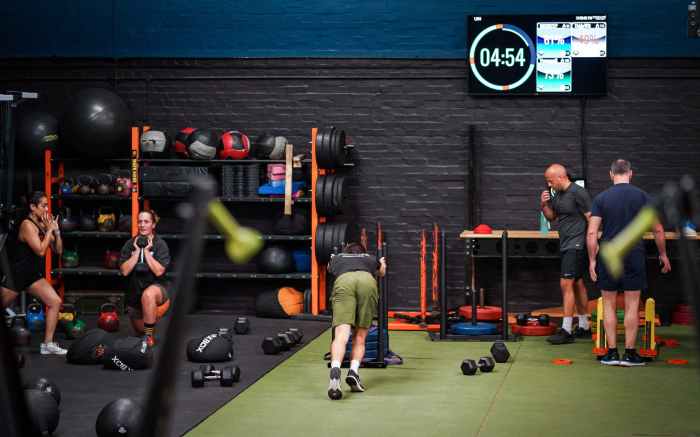
In summary, personal training services offer a tailored approach to fitness that can significantly enhance one’s health and wellness journey. With a variety of training options available, it is crucial to explore these services to find what best fits your personal needs and goals. Finding the right personal trainer is an essential step in starting your fitness journey. A suitable trainer not only possesses the necessary qualifications but also understands your individual preferences, challenges, and aspirations.
To assist in this selection process, consider the following tips:
Tips for Finding the Right Personal Trainer
Choosing the appropriate personal trainer can be the difference between achieving your fitness goals and feeling lost in your journey. The following factors should be considered when searching for the ideal training partner:
- Credentials and Experience: Ensure the trainer has relevant certifications and experience in the specific area of fitness you are interested in.
- Specialization: Look for trainers who specialize in areas that align with your fitness goals, such as weight loss, strength training, or rehabilitation.
- Personal Compatibility: It is important to find a trainer with whom you feel comfortable and motivated to work with. Schedule a trial session to assess compatibility.
- Training Style: Evaluate whether the trainer’s approach aligns with your preferences—some may focus on high-intensity workouts, while others may prioritize a more holistic approach.
- Client Testimonials: Seek feedback from past clients to gauge the trainer’s effectiveness and ability to foster positive results.
Embarking on your fitness journey can be both exciting and daunting. Personal training services can provide the support and guidance needed to navigate this path successfully. By considering personal training services tailored to your needs, you are taking a proactive step towards achieving your health and fitness goals. Personalized programs can help streamline your efforts and enhance your experience, ensuring that you remain engaged and motivated.As a compelling call to action, we encourage you to reach out to a certified personal trainer today.
Discuss your fitness objectives, explore customized training plans, and take the first step towards a healthier, more active lifestyle. Your journey to fitness begins now, and the right support is just a conversation away.
Conclusive Thoughts
In conclusion, Personal Training Services represent a significant investment in one’s health and fitness journey. By selecting the right trainer and engaging in a structured program, individuals can experience growth, overcome challenges, and ultimately reach their goals. We encourage readers to explore these services and take the first step toward a healthier lifestyle.
Q&A
What should I expect during my first training session?
During your first training session, your personal trainer will assess your fitness level, discuss your goals, and create a tailored plan to suit your needs.
How often should I train with a personal trainer?
The frequency of training sessions can vary based on personal goals, but generally, two to three sessions per week is recommended for optimal results.
Can I train with a friend?
Yes, many trainers offer group sessions or partner training, allowing you to share the experience and motivation with a friend.
What qualifications should I look for in a personal trainer?
Look for certifications from recognized organizations, experience, and a specialization that aligns with your fitness goals.
How can I track my progress in personal training?
Your trainer will use various methods such as fitness assessments, body measurements, and regular check-ins to monitor your progress and adjust your program as needed.