Aromatherapy Products Explore Benefits and Usage
Aromatherapy Products sets the stage for this enthralling narrative, offering readers a glimpse into a story that is rich in detail, exploring the fascinating world of scent and wellness. Established as a holistic practice, aromatherapy utilizes the therapeutic benefits of essential oils derived from plants, creating a harmonious blend of relaxation and rejuvenation. Today, a wide array of products, from diffusers to candles, are readily available, each designed to enhance well-being and elevate the ambiance of any space.
In this exploration, we delve into the various types of aromatherapy products, their benefits, and practical tips for effective usage. We will also discuss how to safely integrate these products into daily life, ensuring a fulfilling aromatherapy experience.
Overview of Aromatherapy Products
Aromatherapy is a holistic healing practice that utilizes natural plant extracts, primarily essential oils, to enhance physical and emotional well-being. Historically, aromatherapy has roots that date back to ancient civilizations, such as the Egyptians and Chinese, who used aromatic oils in religious rituals, medicinal treatments, and personal care. The significance of aromatherapy has persisted through centuries, evolving into a widely accepted practice in modern wellness and therapeutic circles.Aromatherapy products encompass a diverse range of items designed to elevate the therapeutic experience of essential oils.
These products are available in various forms, each serving a unique purpose. The market offers essential oil diffusers, massage oils, bath oils, scented candles, and personal inhalers, among others. Each of these products facilitates the delivery of essential oils in a manner that enhances their benefits, allowing users to tailor their aromatherapy experience to their specific needs.
Commonly Used Essential Oils and Their Benefits
Essential oils are the cornerstone of aromatherapy, each possessing distinctive properties that contribute to physical and emotional health. Below is a selection of commonly used essential oils along with their notable benefits:
- Lavender: Known for its calming effects, lavender oil is often used to reduce anxiety, improve sleep quality, and alleviate headaches.
- Peppermint: This invigorating oil is commonly utilized to enhance mental clarity, relieve digestive issues, and ease headaches.
- Eucalyptus: Eucalyptus oil is appreciated for its respiratory benefits, often used to relieve congestion, improve respiratory function, and act as a natural disinfectant.
- Tea Tree: Renowned for its antiseptic properties, tea tree oil is widely employed in skin care for treating acne and promoting wound healing.
- Frankincense: Frequently used in meditation practices, frankincense oil is known for its grounding properties, promoting emotional balance and spiritual wellness.
- Chamomile: Chamomile oil is valued for its soothing effects on the mind and body, often used to promote relaxation and alleviate feelings of stress.
Aromatherapy’s versatility allows individuals to explore and combine different essential oils to create personalized blends that suit their preferences and therapeutic needs. The aromatic compounds found in these oils can stimulate the olfactory system, triggering emotional responses and promoting overall wellness.
“Aromatherapy is not just about pleasant scents; it’s a powerful tool for enhancing health and well-being.”
Types of Aromatherapy Products
Aromatherapy products come in various forms, each offering unique experiences and benefits. Understanding these options can help consumers choose the most suitable products for their needs. Below, we explore the primary types of aromatherapy products, detailing their advantages and disadvantages.
Diffusers
Diffusers are devices used to disperse essential oils into the air, creating a fragrant atmosphere conducive to relaxation and well-being. The most common types are ultrasonic, nebulizing, and heat diffusers.
- Ultrasonic Diffusers: Use water and essential oils, creating a fine mist. They are quiet and can also act as humidifiers.
- Nebulizing Diffusers: Disperse essential oils directly without water, providing a strong aroma and potent therapeutic benefits.
- Heat Diffusers: Use heat to evaporate the oils but may alter their chemical composition and therapeutic properties.
Diffusers enhance the ambiance of a space, promote relaxation, and can even improve air quality.
Candles
Aromatherapy candles not only provide light but also emit soothing fragrances when burned. They are typically made with essential oils and natural waxes.
- Advantages: Create a warm, inviting atmosphere, enhance relaxation, and can complement home decor.
- Disadvantages: The burning process can release soot and harmful chemicals if made with synthetic fragrances or poor-quality wax.
Aromatherapy candles, when made from natural ingredients, can provide a dual benefit of ambiance and therapeutic effects.
Essential Oils
Essential oils are concentrated extracts derived from plants, each with distinct therapeutic properties. They can be used in various applications, including direct inhalation, topical application, or in conjunction with diffusers.
- Advantages: Highly versatile, with the ability to target specific health concerns, such as anxiety, insomnia, or skin irritations.
- Disadvantages: Pure essential oils can be potent and may cause skin irritation if not diluted properly; quality varies widely among brands.
Essential oils are the foundation of aromatherapy, providing direct therapeutic benefits with proper use.
Comparative Table of Popular Aromatherapy Products
The following table compares features of popular aromatherapy products, enabling consumers to make informed decisions based on their preferences and needs.
| Product Type | Benefits | Drawbacks | Best Use |
|---|---|---|---|
| Ultrasonic Diffuser | Creates a fine mist, doubles as a humidifier | Requires water, may not provide strong scent | Wide area diffusion, calming environments |
| Nebulizing Diffuser | Strong aroma, does not require water | Can be loud, more expensive | Targeted aromatherapy, therapeutic sessions |
| Heat Diffuser | Simple to use, low maintenance | May alter chemical composition of oils | Casual use, easy ambiance enhancement |
| Aromatherapy Candle | Creates ambiance, easy to use | Can produce soot, synthetic ingredients | Relaxation, social settings |
| Essential Oils | Highly versatile, targeted therapeutic properties | Potent, potential for irritation | Direct application, various uses |
Benefits of Aromatherapy
Aromatherapy harnesses the power of natural essential oils to promote physical and mental well-being. This holistic approach to health care has gained significant traction as a complementary therapy for various ailments. The benefits of aromatherapy extend beyond mere fragrance; they encompass a wide range of therapeutic effects that can enhance quality of life.Research has shown that aromatherapy can positively impact both mental and physical health.
Studies indicate that certain essential oils possess properties that can alleviate symptoms of anxiety, depression, and stress, while also offering support for immune function and pain relief. For instance, a study published in the Journal of Alternative and Complementary Medicine found that inhalation of lavender oil significantly reduced anxiety levels and improved sleep quality in participants. Such evidence underscores the therapeutic potential of aromatherapy in daily wellness practices.
Mental and Physical Health Benefits
The multifaceted benefits of aromatherapy can be categorized into specific mental and physical health advantages. Understanding these benefits can guide users in selecting appropriate essential oils for their needs.
- Stress Reduction: Essential oils like lavender and bergamot are known for their calming effects, aiding in the reduction of stress and promoting relaxation.
- Improved Mood: Citrus oils such as lemon and orange can enhance mood and energy levels, helping to combat feelings of sadness and fatigue.
- Enhanced Sleep Quality: Oils like chamomile and cedarwood have sedative properties, which can help individuals achieve deeper, more restorative sleep.
- Pain Relief: Essential oils such as peppermint and eucalyptus may assist in alleviating headaches and muscle pain through their analgesic properties.
- Boosted Immune System: Oils like tea tree and oregano possess antimicrobial properties that may strengthen the immune response and help combat illness.
Research Findings Supporting Aromatherapy
Several studies provide empirical support for the efficacy of aromatherapy in clinical settings. For example, a systematic review published in the International Journal of Nursing Studies analyzed the effects of aromatherapy on anxiety and stress. The review concluded that aromatherapy significantly reduced anxiety levels in various populations, including preoperative patients and those in mental health care settings. Additionally, research published in the Journal of Clinical Psychology indicated that aromatherapy can be an effective intervention for improving sleep quality in individuals suffering from insomnia.
Participants who used lavender oil before bedtime reported substantial improvements in sleep duration and quality.
Common Ailments Alleviated by Aromatherapy
Aromatherapy products can be beneficial for a variety of common ailments. Utilizing essential oils strategically can lead to positive health outcomes for users, enhancing overall well-being.
- Anxiety and Stress: Lavender and chamomile oils are particularly effective in promoting a sense of calm.
- Headaches: Peppermint and eucalyptus oils may help reduce the intensity of headache symptoms.
- Insomnia: Lavender and valerian root oil can aid in achieving better sleep patterns.
- Cold and Flu Symptoms: Tea tree and eucalyptus oils can assist in clearing nasal passages and reducing congestion.
- Digestive Issues: Ginger and peppermint oils may alleviate symptoms of nausea and digestive discomfort.
How to Use Aromatherapy Products
Aromatherapy offers a holistic approach to enhancing physical and emotional well-being through the use of essential oils and other aromatherapy products. Understanding how to utilize these products effectively can significantly enhance your experience and maximize the benefits they provide. This section Artikels the procedures for using various aromatherapy products and tips for seamlessly integrating them into your daily routine.
Using Essential Oils
When utilizing essential oils, it is crucial to follow specific steps for safe and effective use. The following procedures offer guidance on how to incorporate essential oils into your wellness regimen:
- Choose Your Essential Oil: Select an essential oil that aligns with your intended purpose, such as lavender for relaxation or eucalyptus for respiratory support.
- Dilution: Essential oils are potent and should be diluted before applying to the skin. A typical ratio is 1-3 drops of essential oil mixed with a carrier oil like coconut or jojoba oil.
- Inhalation: To benefit from aromatherapy through inhalation, add a few drops of essential oil to a diffuser or a bowl of hot water and inhale the steam. Alternatively, you can place a few drops on a tissue or cotton ball and breathe deeply.
- Topical Application: After proper dilution, apply the mixture to pulse points such as wrists, temples, or the back of the neck for localized benefit.
- Bathing: Add a few drops of essential oil to your bath, mixed with a dispersing agent like milk or Epsom salts, to create a soothing aromatherapy experience.
Integrating essential oils into your daily routine can enhance well-being. Consider applying these oils during meditation, while practicing yoga, or even in your morning skincare regimen.
Using Pre-blended Aromatherapy Products
Pre-blended products, such as roll-ons, sprays, and balms, offer a convenient alternative to using essential oils directly. These products are specially formulated for ease of use. The steps for utilizing them include:
- Select a Product: Choose a pre-blended product that suits your needs, such as an aromatherapy roll-on designed for stress relief.
- Application: For roll-ons, apply directly to pulse points without the need for dilution. For sprays, mist around your environment or directly onto pillowcases for calming effects while sleeping.
- Follow Usage Instructions: Each product will have specific instructions; always follow the recommended usage to ensure safety and effectiveness.
- Consistency: Incorporate the use of pre-blended products into daily rituals, such as applying a calming balm before bedtime or using a refreshing spray during the day.
These steps will make utilizing pre-blended products straightforward and effective, allowing you to reap the benefits of aromatherapy effortlessly.
Comparison of Essential Oils and Pre-blended Products
Understanding the differences between essential oils and pre-blended products can aid in selecting the right option for your needs. The following table Artikels key aspects of each type:
| Feature | Essential Oils | Pre-blended Products |
|---|---|---|
| Application Method | Requires dilution and specific application methods. | Ready to use; convenient application with no dilution needed. |
| Customization | Highly customizable for individual needs. | Limited to the specific blend provided. |
| Potency | Very potent; small amounts needed for benefits. | Less potent; formulated for safety and ease of use. |
| Usage | Versatile; can be used in diffusers, baths, and topically. | Primarily for topical use, sprays, or ambient scenting. |
“The choice between essential oils and pre-blended products depends on personal preference, desired effects, and convenience.”
Safety and Precautions: Aromatherapy Products
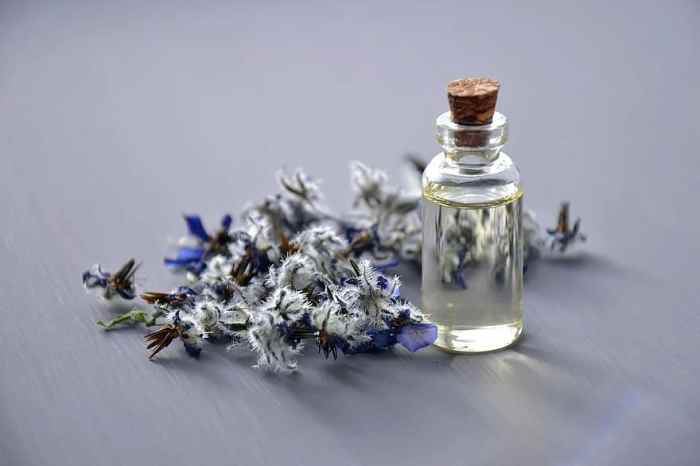
Aromatherapy holds numerous benefits, but ensuring safety while using aromatherapy products is of paramount importance. Understanding the potential risks involved can prevent adverse reactions and enhance the overall experience. Proper precautions are essential for both beginners and seasoned users alike, thereby safeguarding health and wellbeing during use.
The use of essential oils can sometimes lead to allergic reactions or other negative effects if not handled correctly. Certain oils may cause skin irritation, respiratory issues, or even toxicity if ingested improperly. It is vital to be aware of the characteristics and properties of each oil used to minimize risks and ensure safe practices.
Safety Tips for Beginners in Aromatherapy
When starting your journey in aromatherapy, adhering to safety guidelines is crucial. The following list Artikels essential safety tips that every beginner should consider:
- Conduct a Patch Test: Before using a new essential oil, perform a patch test to check for any allergic reactions. Apply a diluted drop on a small skin area and observe for 24 hours.
- Use Appropriate Dilution: Always dilute essential oils properly with a carrier oil before applying to the skin to prevent irritation.
- Consult with a Healthcare Professional: If you are pregnant, nursing, or have existing medical conditions, consult a healthcare provider prior to using essential oils.
- Avoid Ingestion: Essential oils should not be ingested unless prescribed by a qualified practitioner, as some oils can be toxic if consumed.
- Keep Oils Away from Eyes and Mucous Membranes: Essential oils are potent and can cause irritation; avoid contact with sensitive areas.
- Store Oils Safely: Store essential oils in a cool, dark place out of reach of children to prevent accidental ingestion or misuse.
- Research Essential Oils: Familiarize yourself with the properties and potential risks associated with each essential oil before use.
“Safety first: Always take precautions to enjoy the myriad benefits of aromatherapy without compromising your well-being.”
DIY Aromatherapy Products
Creating your own aromatherapy products at home can be a fulfilling and cost-effective way to enjoy the benefits of essential oils. Homemade products not only allow for customization to suit personal preferences but also ensure the use of high-quality ingredients. Engaging in DIY aromatherapy can enhance relaxation, provide therapeutic effects, and promote overall well-being.A significant aspect of crafting DIY aromatherapy products is the quality of essential oils used.
Sourcing high-quality essential oils is crucial, as they are the foundation of any effective aromatherapy product. When selecting essential oils, look for those that are 100% pure, therapeutic grade, and free from additives. Reputable suppliers often provide information on the oil’s origin, extraction method, and purity testing.
Recipes for Homemade Aromatherapy Products
Creating your own aromatherapy products can be both enjoyable and rewarding. Below are simple recipes for bath salts and massage oils that can be easily made at home. Bath Salts Recipe:To create a soothing bath salt blend, you will need the following ingredients:
- 1 cup Epsom salt
- 1 cup sea salt or Himalayan pink salt
- 10-15 drops of your chosen essential oil (e.g., lavender, eucalyptus, or peppermint)
Optional
Dried herbs or flower petals for added benefits and aesthetics
Instructions:
- In a bowl, combine Epsom salt and sea salt.
- Add essential oil drops and mix until well combined.
- Store in an airtight container and use approximately 1/2 cup per bath.
3. Optional
Add dried herbs or flower petals and blend.
Massage Oil Recipe:For a relaxing massage oil, consider the following ingredients:
- 2 tablespoons carrier oil (e.g., sweet almond oil, jojoba oil, or coconut oil)
- 5-10 drops of essential oil (e.g., lavender for relaxation, peppermint for tension relief)
Instructions:
Incorporating Yoga Classes into your routine can significantly improve your flexibility and reduce stress. To support your active lifestyle, consider implementing Healthy Meal Plans that align with your fitness goals, ensuring you receive the energy and nutrients necessary for optimal performance and recovery.
- In a small bowl, combine the carrier oil with the essential oil.
- Mix thoroughly and store in a dark glass bottle.
- Apply as needed during massage.
Ingredient Sourcing for DIY Aromatherapy
Selecting high-quality ingredients is essential for effective DIY aromatherapy. Here are some tips for sourcing the best ingredients for your creations:
Essential Oils
Purchase from reputable suppliers who provide information about the oil’s purity and extraction methods. Avoid oils that are synthetic or contain fillers.
Carrier Oils
Opt for cold-pressed or organic carrier oils, as these retain more beneficial properties.
Additives
Maintaining a balanced diet is essential for overall well-being, and exploring various Healthy Meal Plans can provide you with the necessary nutrients while keeping your meals interesting. Complementing your healthy eating habits with physical activity, such as participating in Yoga Classes , can enhance your physical and mental health, promoting a holistic approach to wellness.
When using additional components, like dried herbs or salts, ensure they are organic and free from chemicals or preservatives.
Ingredient Table for DIY Recipes
To assist you in gathering the necessary ingredients for your DIY aromatherapy projects, the following table Artikels the common components and their purposes:
| Ingredient | Purpose |
|---|---|
| Epsom Salt | Soothes sore muscles, promotes relaxation |
| Sea Salt | Exfoliates skin, adds minerals to bath water |
| Carrier Oils | Dilutes essential oils for safe application on skin |
| Essential Oils | Provides therapeutic benefits, aroma, and relaxation |
| Dried Herbs/Flower Petals | Adds visual appeal and additional fragrance/benefits |
Aromatherapy in Different Cultures
Aromatherapy, the practice of using essential oils for therapeutic purposes, has been embraced across various cultures throughout history. Each society has its unique approach to the use of aromatic plants, often deeply embedded in their traditions and medicinal practices. This rich diversity reflects not only the local flora but also the cultural values and beliefs surrounding health and well-being.One of the most fascinating aspects of aromatherapy is its varied application in different civilizations.
Ancient cultures recognized the potent effects of aromatic substances, using them for health, spiritual rituals, and beauty. This section delves into some of the renowned traditions of aromatherapy around the globe.
Traditional Uses of Essential Oils in Various Societies
Different cultures have employed essential oils in unique ways, often linking them to spiritual and physical healing. The following points highlight some notable applications:
- Egyptian Civilization: The Egyptians are among the earliest known practitioners of aromatherapy, utilizing essential oils for mummification, religious rituals, and as fragrances. They extracted oils from plants like myrrh and frankincense, which were sacred in their society.
- Chinese Medicine: In Traditional Chinese Medicine (TCM), essential oils are used to balance the body’s energies. Oils such as ginger and peppermint are incorporated into treatments to enhance physical and emotional health.
- Indian Ayurveda: In Ayurveda, essential oils play a significant role in holistic healing. Oils like sandalwood and jasmine are often used to promote relaxation and balance the doshas, the three energies believed to govern health.
- Native American Practices: Indigenous tribes in North America have long used aromatic plants for ceremonial purposes and healing. Sage and cedar are commonly burned in smudging rituals to cleanse spaces and promote spiritual clarity.
- Japanese Aromatherapy: Known as “Aroma Therapy,” Japan has incorporated essential oils into both traditional and modern practices, focusing on stress relief and emotional well-being, with oils like ylang-ylang and lavender being popular choices.
Historical anecdotes reveal that aromatherapy was a vital aspect of life in ancient societies. For instance, the ancient Greeks utilized essential oils to enhance physical performance and treat ailments. Notably, Hippocrates, known as the father of medicine, endorsed the use of aromatic substances to promote health and prevent disease. Furthermore, the practice of using aromatic herbs and oils has transcended time and geography, evolving into modern aromatherapy while retaining elements from its rich cultural heritage.
Different societies have not only preserved these practices but have also integrated them with contemporary wellness trends, illustrating the timeless appeal of aromatherapy in promoting health and enhancing quality of life.
Choosing the Right Aromatherapy Products
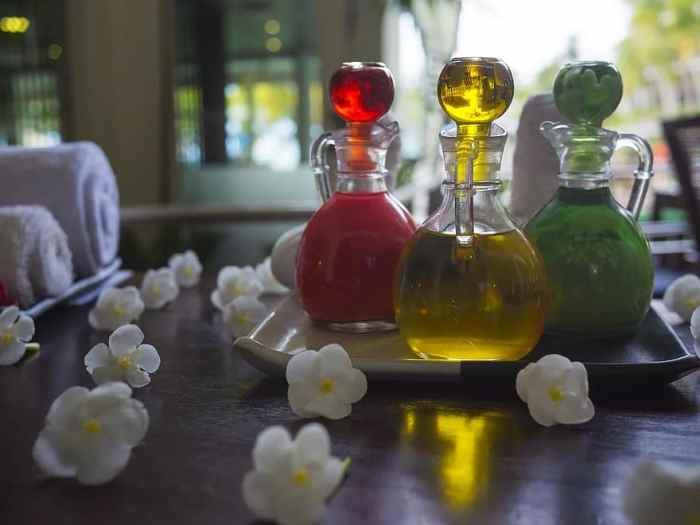
Selecting the right aromatherapy products is a vital step in ensuring a fulfilling and effective aromatic experience. The variety of options available can be overwhelming, making it essential to identify products that align with individual needs and preferences.When choosing aromatherapy products, multiple factors should be taken into account. Personal scent preferences, specific therapeutic properties desired, and the quality of the products are paramount.
High-quality ingredients not only enhance the aromatic experience but also ensure safety and efficacy. Understanding your own preferences and requirements can significantly improve your overall experience with aromatherapy.
Factors to Consider When Selecting Aromatherapy Products
Choosing the right aromatherapy product involves careful consideration of various factors. Here is a checklist that can assist consumers in making an informed decision:
- Scent Preferences: Select scents that resonate with you personally. Popular essential oils include lavender for relaxation, citrus for uplifting moods, and eucalyptus for respiratory support.
- Therapeutic Properties: Understand the therapeutic benefits associated with different essential oils. For instance, chamomile is known for its calming effects, while peppermint may help alleviate headaches.
- Product Quality: Prioritize products made from pure, high-quality essential oils. Look for certifications such as organic or therapeutic grade to ensure potency and safety.
- Usage Form: Determine the type of product that suits your needs best, whether it’s essential oils, diffusers, roll-ons, or scented candles.
- Brand Reputation: Research brands and read reviews to gauge the effectiveness and reliability of the products. Trusted brands often provide detailed information about their sourcing and production processes.
- Price Point: While affordability is important, remember that higher quality often comes at a premium. Consider the value of the product in relation to its benefits.
- Allergies and Sensitivities: Assess any allergies you may have to specific scents or ingredients and choose products that are free from those allergens.
- Packaging and Sustainability: Look for products that use eco-friendly packaging and sustainable sourcing practices, which reflect a commitment to environmental responsibility.
“The best aromatherapy products should not only please the senses but also promote well-being in a safe and effective manner.”
Trends in Aromatherapy

The aromatherapy market is evolving, reflecting broader consumer trends toward natural, sustainable living and wellness. As individuals increasingly seek holistic approaches to health and well-being, various emerging trends are reshaping the landscape of aromatherapy. These trends include the rise of eco-friendly products, innovative blends that cater to specific needs, and an increasing emphasis on personalized aromatherapy experiences.One notable trend is the growing preference for eco-friendly aromatherapy products.
Consumers are more aware than ever of the environmental impact of their purchases and are looking for sustainable options. This includes products made from ethically sourced ingredients, recyclable packaging, and those produced through environmentally friendly manufacturing processes. Additionally, innovative blends are gaining popularity, focusing on specific benefits such as stress relief, enhanced focus, or improved sleep quality. Brands are experimenting with unique combinations of essential oils to create tailored solutions that resonate with modern lifestyles.
Leading Brands in Aromatherapy Product Development
Several brands are at the forefront of the aromatherapy revolution, setting trends with their innovative products and commitment to quality. These brands are recognized for their dedication to research, sustainability, and effective formulations.
- doTERRA: Known for its high-quality essential oils, doTERRA emphasizes purity and sustainability, offering a wide range of products that cater to various wellness needs.
- Young Living: A pioneer in the essential oils industry, Young Living offers a comprehensive selection of oils and blends while promoting sustainable farming practices.
- Plant Therapy: This brand focuses on affordability and accessibility, providing a variety of essential oils and blends that appeal to both beginners and experienced users.
- Aura Cacia: Committed to ethical sourcing and environmental responsibility, Aura Cacia offers a range of aromatherapy products that include essential oils, diffusers, and blends.
Comparison of Traditional Aromatherapy Practices and Modern Innovations
The evolution of aromatherapy has led to significant changes in practices and products. Below is a table that contrasts traditional aromatherapy with modern innovations.
| Aspect | Traditional Aromatherapy | Modern Innovations |
|---|---|---|
| Ingredients | Primarily single essential oils | Complex blends targeting specific effects |
| Application Methods | Massage, inhalation, topical application | Diffusion, roll-ons, aromatherapy jewelry |
| Focus | General well-being | Personalized solutions for specific health concerns |
| Sustainability | Less emphasis on sourcing | Strong focus on ethically sourced and eco-friendly ingredients |
| Consumer Education | Lesser awareness and knowledge | Robust education initiatives, including workshops and online resources |
“The modern aromatherapy market is characterized by a fusion of tradition and innovation, leading to a more personalized and sustainable approach to wellness.”
Closing Summary
In summary, Aromatherapy Products offer a versatile and enriching avenue for enhancing mental and physical well-being. With a variety of options available, individuals can find products that resonate with their personal preferences and therapeutic needs. Embracing the art of aromatherapy not only promotes relaxation but also encourages a deeper connection with oneself, unlocking the potential for holistic healing and well-being.
FAQ Guide
What is aromatherapy?
Aromatherapy is a holistic healing practice that uses essential oils to improve physical and emotional well-being.
Can aromatherapy help with anxiety?
Yes, several studies suggest that certain essential oils, such as lavender, may help reduce anxiety and promote relaxation.
What types of essential oils are best for beginners?
Popular essential oils for beginners include lavender, eucalyptus, peppermint, and tea tree oil due to their versatile uses and pleasant scents.
Are there any side effects of using essential oils?
Some individuals may experience allergic reactions or skin irritations; it is important to perform a patch test and consult a healthcare professional if needed.
How can I incorporate aromatherapy into my daily routine?
You can use essential oils in diffusers, add them to baths, or incorporate them into massage oils to enhance relaxation throughout your day.